Ute Cohen: Historisches Bewußtsein gefragt
Im Zeichen der Hoffnung ließe ich dieses Jahr gern stehen und doch sehe ich es dunkel. Keine süßen Sätze, Worte des Aufbegehrens und der unbedingten Solidarität sind vonnöten! Nie hätte ich gedacht, dass in Deutschland, in Europa, in der ganzen Welt Antisemitismus noch einmal in all seiner zerstörerischen Macht auflodern könnte. Nicht in meinen schlimmsten Albträumen hätten die Feigen, die Duckmäuser und Opportunisten einen Platz gefunden, ideologische Schreckgespenster, die heute Israel an den Pranger stellen, als Babymörder stigmatisieren, irrlichternde Ideologen, die einer Truppe von atavistischen Rohlingen Ehrerbietung erweisen. Was geht vor in diesen Geschichtsvergessenen, die doch die Greuel der Judenverfolgung zumindest aus Artikeln und Büchern kennen sollten? Wissen sie nicht, dass sie das ideologische Erbe ihrer Vorfahren antreten?
An Universitäten und auf dem Kurfürstendamm, von der antisemitischen Hochburg Neukölln ganz abgesehen, stehen sie geschlossen in Reih und Glied mit einer grölenden bärtigen Masse, die Juden den Tod wünscht. Ich habe kürzlich einen dieser von der Polizei gesicherten Palästinenserkorridore durchquert. Es war erschreckend, was mit meinem Körper passierte. Die Ratio versagte, das vegetative Nervensystem reagierte mit Zittern und Tränen, obschon ich doch Zorn verspürte. Die Meute brüllte, die Deutschen schwiegen. Lediglich eine Frau im Rollstuhl, umgeben von zwei Begleitern, hielt dem höllischen Trupp mit ihrer Israelfahne stand.
Die Cohen hat den Verstand verloren? Die Cohen ist rechts? Wenn ihr euch mit diesen schlichten Formeln aus der Verantwortung stehlen wollt, dann möge euch euer Gewissen ad aeternitatem plagen! Wer auch nur einen Funken historisches Bewusstsein hat, sollte Solidarität üben mit Juden und Antisemiten vom Platz verweisen.
Dunkel ist dieses Jahr, überschattet von Antisemitismus auch im Privaten, bei Freunden, in der Familie. Meine Kinder haben aufgrund unseres Namens Benachteiligung erlitten, Drohungen erhalten und einen Vorgeschmack bekommen auf ein Europa im Zeichen des Judenhasses. Wollt ihr das wirklich? Könnt ihr mit dieser Schuld, mit der Schuld eurer eigenen Generation, mit eurer höchstpersönlichen Schuld leben?
Ich darf mich glücklich schätzen, in meiner zweiten Heimat und auch meiner Geistesheimat Frankreich Philosophen und Literaten zu kennen, die sich trauen, ihre Stimme zu erheben. Dank ihrer glimmt vielleicht doch ein Fünkchen Hoffnung auf, sodass ich im nächsten Jahr wieder optimistischer auf die Welt blicken kann.
Heute aber denke ich mit Freude nur an das Private. Und dennoch vermag ich nicht aufzugeben, sondern glaube weiterhin an die Kraft des Wortes, an eine Wirksamkeit im öffentlichen Raum. Pascal Bruckner, Alain Finkielkraut, Raphaël Enthoven und Caroline Fourest – sie alle sind Mitstreiter im Hexagon. Und wenn ich es recht bedenke, beim Schreiben dieser Worte, bin ich doch auch hier nicht allein auf weiter Flur. Ein weiteres Jahr „Cohen’s Club“ mit anregenden, furchtlosen Menschen, mit begeisterten Literaten und Freunden des Schönen macht die Niedertracht der Kleingeister und Schäbigen mehr als wett.
Da ist sie schon, seht ihr sie schimmern?
Peter Prange: Herrliche Zeiten. Die Himmelsstürmer, Scherz Verlag 2024
Bazon Brock: Eine schwere Entdeutschung, Schwabe Verlag 2024
Pascal Bruckner: Die Gesellschaft der Opfer, edition tiamat 2024
Salih Jamal: Vor der Nacht, Leykam 2024
Jürgen Bauer: Styx, Septime Verlag 2024
Sherin L’Artiste – WebsiteLars Hartmann:
Blog AISTHESIS. Texte zur Ästhetik, Philosophie und Kunstkritik sowie vermischte Bemerkungen (www.bersarin.wordpress.com)
Ute Cohen lebt in Berlin. Ihre Texte bei uns hier. Sie kuratierte für uns das CulturMag Sex Special. Danach das Special Tabu. Im Jahr 2020 erschien ihr Roman Poor Dogs bei Septime, zur Besprechung von Alf Mayer und zu der von Andrea Noack. Satans Spielfeld kam 2021 als Taschenbuch heraus, Joachim Feldmann dazu bei uns: Was kann Literatur? Ute Cohens 2022 erschienene schwarze Kapriole Falscher Garten für uns von Andrea Noack gelesen.
2024 erschien von ihr Der Geschmack der Freiheit. Eine Geschichte der Kulinarik, Alf Mayer bei uns dazu: Bei Ute Cohen erhält »Küchenphilosophie« eine völlig neue Bedeutung, CulturMag September 2024.
** **

Alan Carter
So, 2024. Everything that needs to be said or written about America, Americans, and you-know-who has already been done. Suffice to say I wish the year had ended differently on that matter.
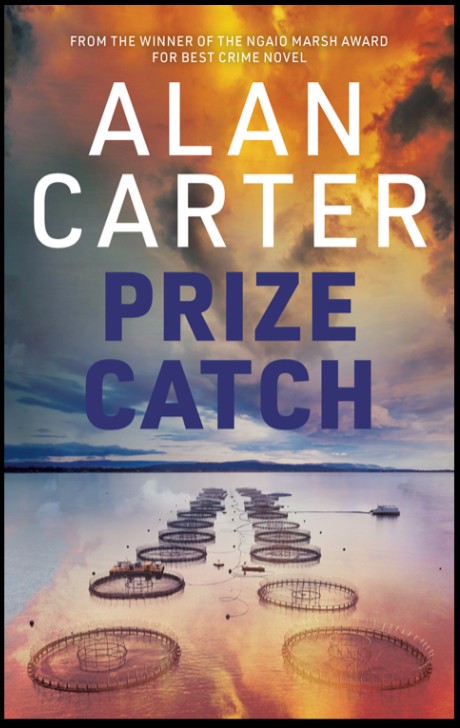
In November my first Tasmanian stand-alone novel PRIZE CATCH was released. In choosing Australian war crimes in Afghanistan along with the toxic effects of the Tasmanian salmon industry I had the odd sleepless night wondering about what reception it would get. So far, so good – the reviewers like it and sales are going well. I did get my first book launch heckler though – so I must be doing something right.
Another crime author doing his best to put everyone of their fish is David Whish-Wilson with CUTLER. A riveting crime read set against the backdrop of industrial deep sea fishing and slavery. Check it out.
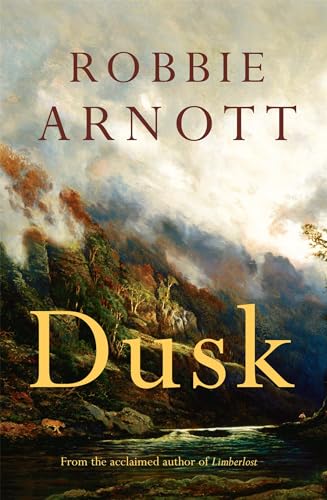
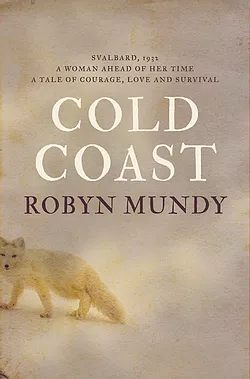
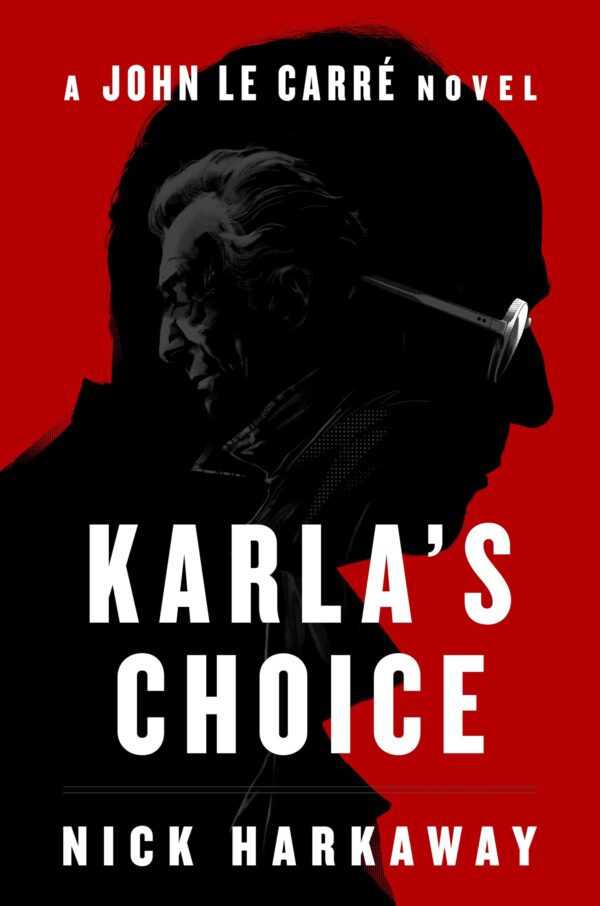
Other fave reads this year – Robbie Arnott’s DUSK once again captures the beauty and terror of the Tasmanian landscape and history. If you haven’t discovered Robbie Arnott yet, search him. Nick Harkaway has spookily succeeded in channelling his father John le Carre’s voice with a fine addition to the Smiley novels – KARLA’S CHOICE. I look forward to hearing more from him and from this series having devoured all the others. Robyn Mundy’s COLD COAST, about a woman trapper in Norway’s arctic in the early 20th Century is another beautiful, lyrical read. I read the French version LA FEMME AU RENARD BLEU not because I’m a poseur (well I am that too) and found the writing to be exquisite. Search Robyn too, another great Tasmanian writer.
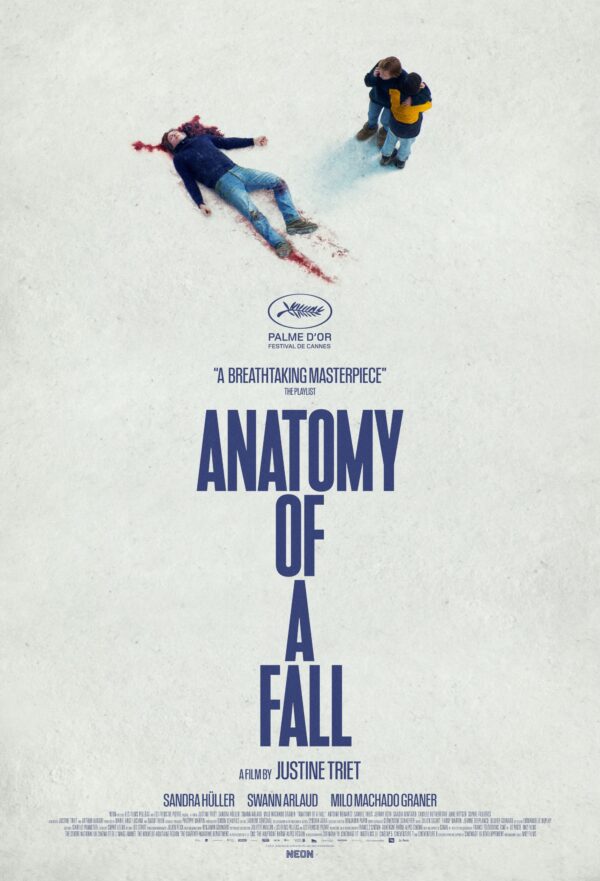
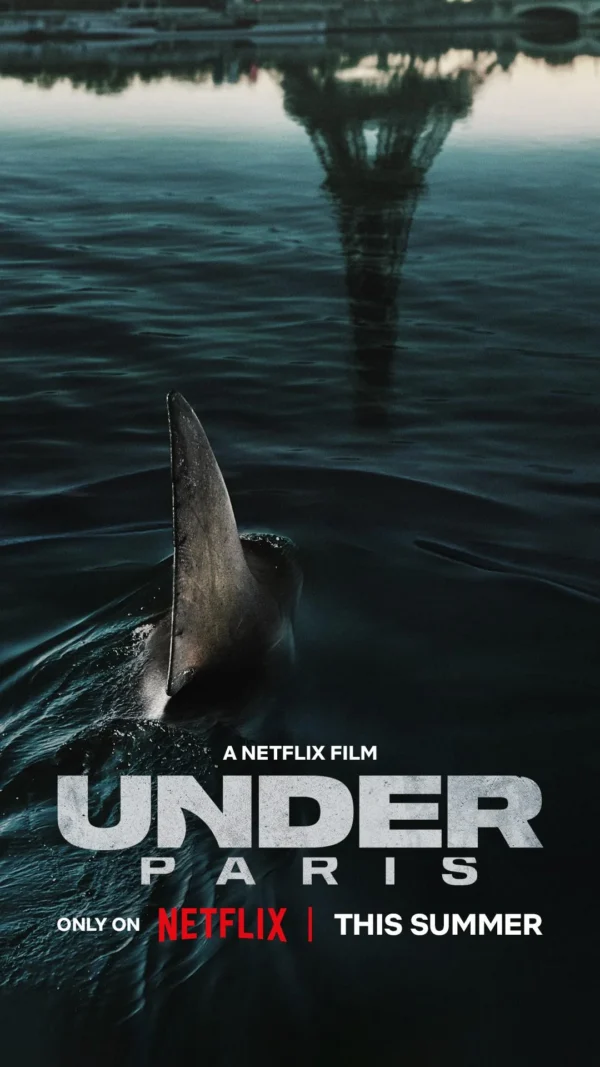
Movies: ANATOMY OF A FALL stuck with me this year, great storytelling. And another French film in a very different vein UNDER PARIS about a Seine infested with killer sharks just ahead of the Paris Olympics. Who could resist? Great gory fun.
2025, October, sees the release of the 3rd in my New Zealand-set Nick Chester/Marlborough Man series. It’s titled, FRANZ JOSEF, look out for it. Have a safe and great 2025 and buckle up for the ride.
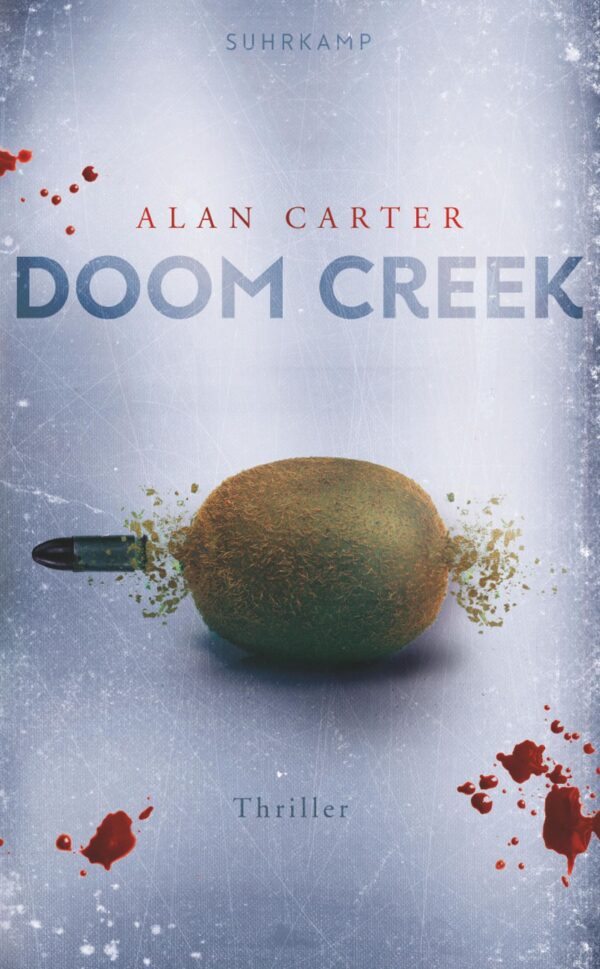
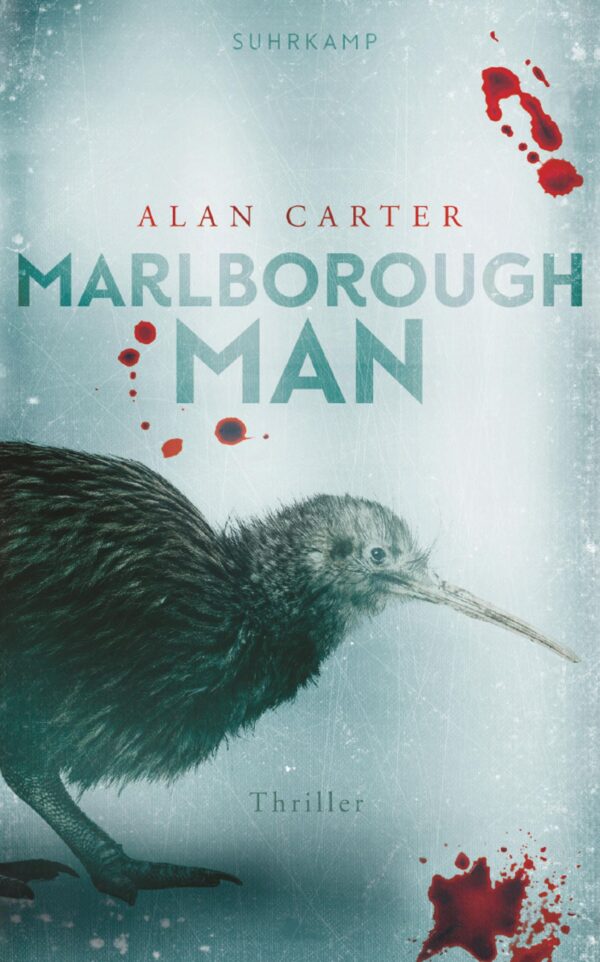

Alan Carter ist der Autor von Prime Cut und Des einen Feind, zwei weitere Cato-Kwong-Thriller warten auf Übersetzung: Bad Seed und Heaven Sent. 2019 erschien Marlborough Man in der von TW herausgegebenen Reihe bei Suhrkamp, Übersetzung: Karen Witthuhn, im August 2021 Doom Creek. – Alan Carter with CrimeMag here and here. His crime novel Prize Catch came out late in 2024.
** **
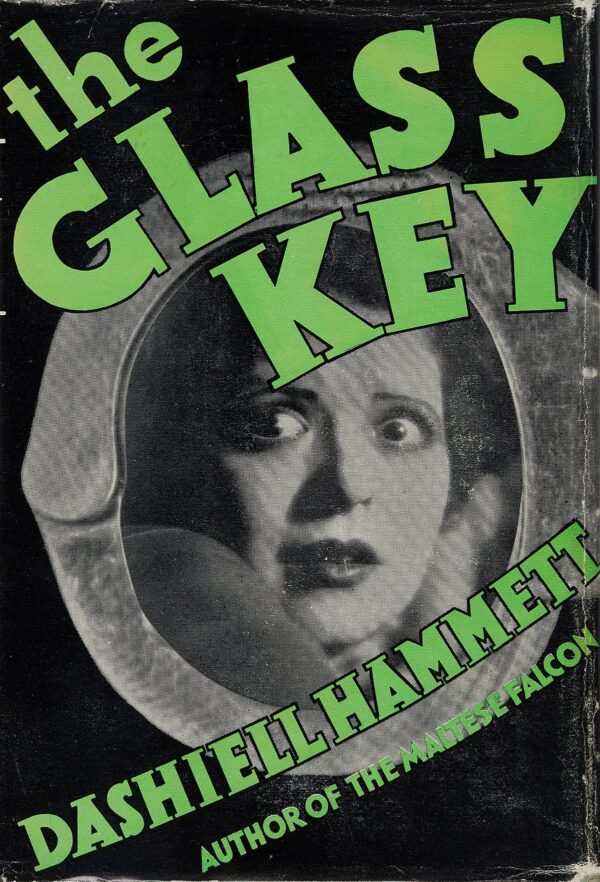
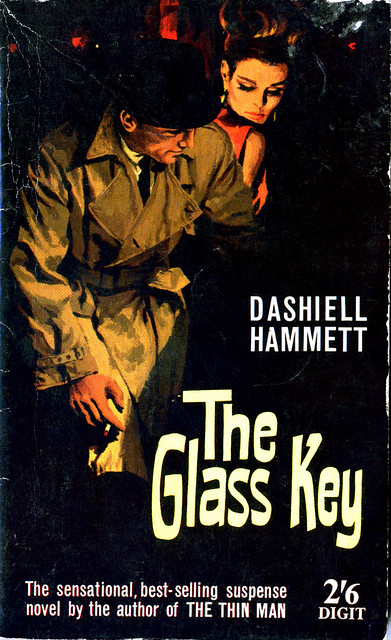
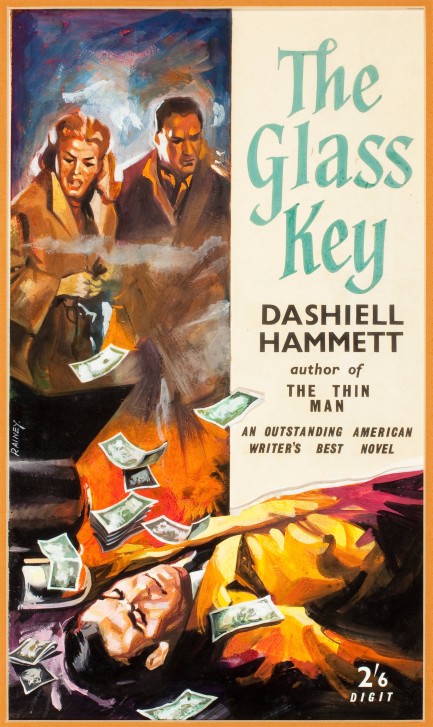
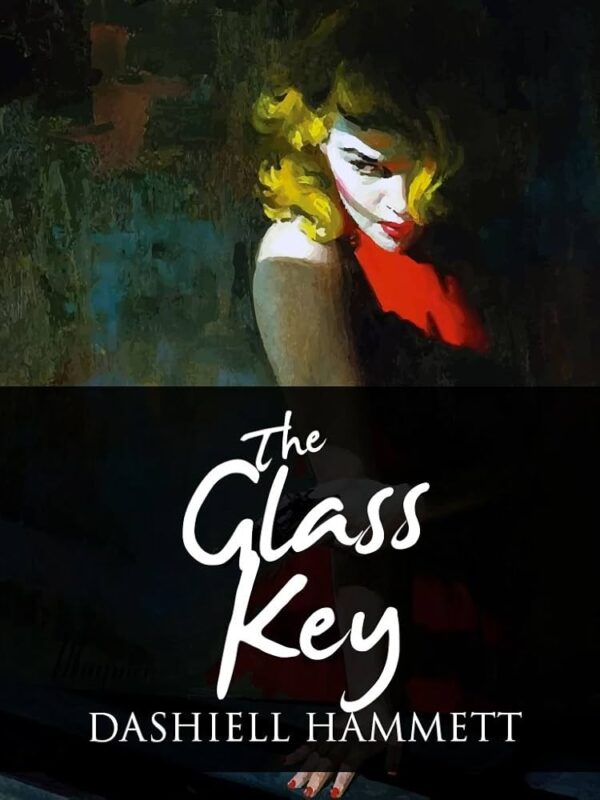
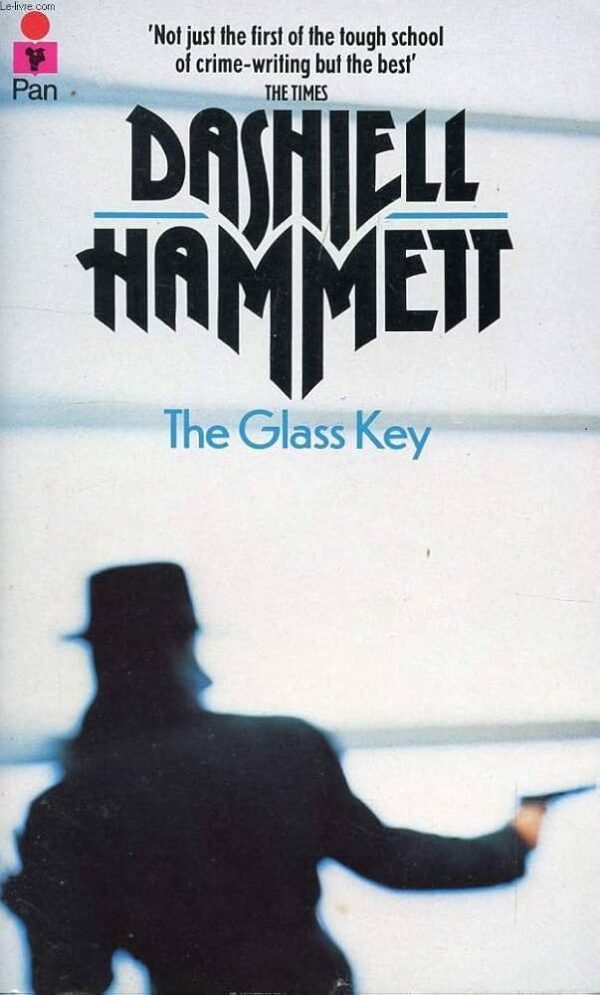
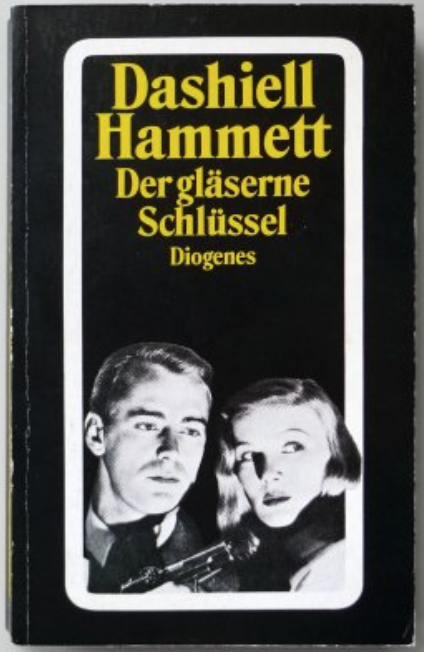
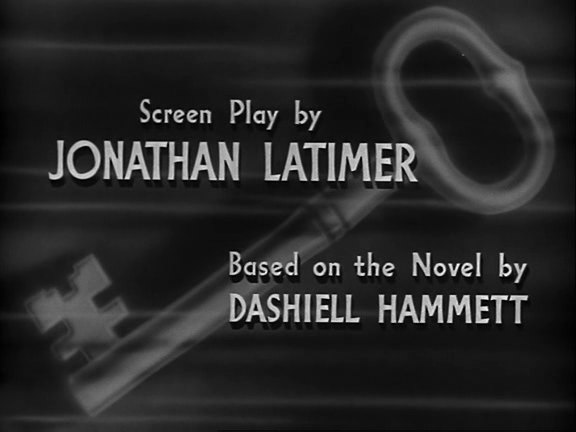
Andrew Cartmel: The Glass Key by Dashiell Hammett
Dashiell Hammett is, I believe, the greatest writer of hardboiled detective fiction — although he isn’t the first.
That honour falls to a largely forgotten and considerably less gifted fellow named Carroll John Daly who wrote a story called ‘Three Gun Terry’, about tough private eye Terry Mack. This appeared in Black Mask in May 1923, about six months before the debut of Hammett’s magnificent Continental Op in the tale ‘Arson Plus’, in the same magazine.

Nor is Dashiell Hammett the most beloved hardboiled writer. That would have to be Raymond Chandler, who is more quotable, more sentimental and more reader-friendly. Just for the record, I also love Raymond Chandler’s writing…
But he simply isn’t in the same league as Hammett.
Hammett invented the classic noir detective story, even if John Daly got there first. Because one of the many innovations that Hammett brought to the literature was to tell his tale as a first person narrative — from the detective’s point of view.
Previously, if a crime story used the first person at all, it would be from the viewpoint of someone like the detective’s worshipful sidekick who watches in wonder and astonishment as the narrative unfolds and the detective genius cracks the case in an unanticipated burst of brilliance. Dr Watson would of course be the classic example.
But Hammett disdained this approach, and put us right inside the mind of his hard-bitten hero.
This apparently simple decision was momentous and had far reaching consequences.
Because, if we’re privy to our detective hero’s thoughts, and it’s a conventional mystery story, the solution of that mystery can’t be a sudden surprise at the end. Instead we must be aware of the significance of each clue as it’s discovered, and party to every step in the gradual unravelling of the mystery.
We are no longer Dr Watson puzzling over what Holmes is up to. We are the detective, learning what he learns, when he learns it.
Two of the Holmes stories actually are first person narratives, told by Sherlock himself, but this isn’t an approach that could be sustained — it invariably sabotages the whole principle of the surprise ending.
So the first person approach calls for a different kind of detective story altogether, one where the emphasis is on conflict and confrontation instead of mystery and deduction. The unfolding drama is much more combative than cerebral.
And that is exactly the kind of story Hammett created.
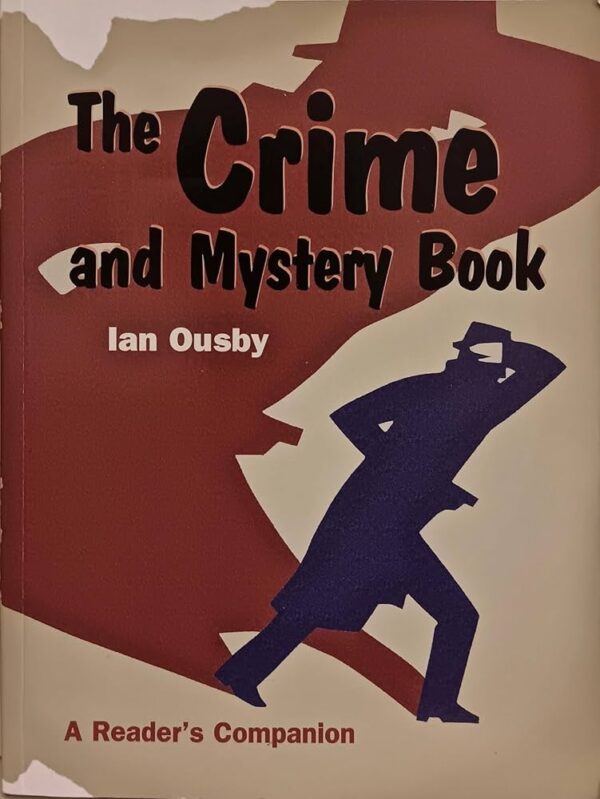
I wish I could claim this insight as my own, but I came across it in a brilliant volume by Ian Ousby, The Crime and Mystery Book, which I highly recommend.
It was one of two crucial insights about Hammett which Ousby gifted to me. The other one was his statement that The Glass Key, Hammett’s fourth novel was a “tightly controlled masterpiece” to set beside The Maltese Falcon.
Now, The Maltese Falcon is one of my favourite books of all time. But I’d always accepted the received wisdom that The Glass Key was minor Hammett, a footnote, a failure…
But on the strength of Ian Ousby’s recommendation, I immediately re-read it. (Any excuse to read Hammett…)
And I am so glad I did.
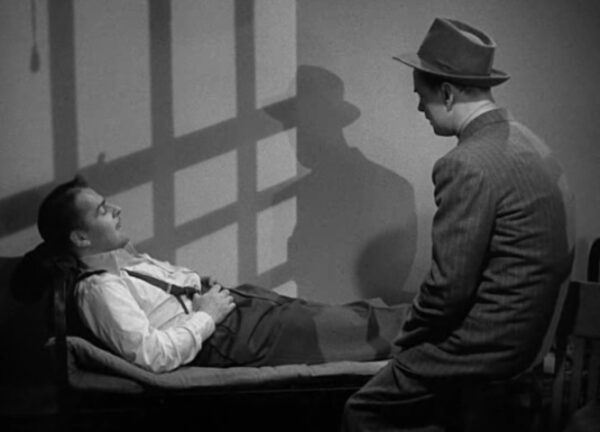
The Glass Key is the story of Ned Beaumont, and the engine which drives the plot is his friendship with a politician called Paul Madvig. Madvig is corrupt, but no more so than anyone else in this time and place — the eastern USA in the early 1930s. Beaumont is Madvig’s canny, cynical and loyal advisor. He is a gambler and also an alcoholic (though I suppose Hammett would argue no more so than anyone else in this time and place).
At the beginning of the story a murder occurs. The incident is so cunningly described that readers not only suspect the killer might be Madvig, we actually also think the killer might be Beaumont.
In the early sections of the book it feels like Hammett is finding his way, working out the kind of story he’s telling and the kind of character Beaumont is to be. The incidents are compelling but repellent, with Beaumont’s grisly alcoholism preventing them from being a lot of fun.
But after our hero takes a terrible beating to protect his friend, a sort of catharsis takes place. And as soon as Beaumont wakes up in hospital, under the care of a humorous and friendly (and very well written) nurse, the whole book picks up, becoming funnier and more engaging and more self-assured. From the hospital section onwards, The Glass Key is flawlessly compelling.
It’s also sometimes very funny. At one point a witness to the murder says to Beaumont:
‘You know how you can tell when people are arguing sometimes by the way they stand.’
And Beaumont smiles and replies: ‘Yes, if one of them’s standing on the other’s face.’
Beautifully written, with vivid and memorable characters, this is top class Hammett. What’s more, the revelatory whodunnit ending is wholly unexpected, utterly logical and entirely satisfying, showing that Hammett may have reinvented the mystery story but he still knew how to pay full honours to the classic tradition.
Ian Ousby is right, The Glass Key is an underestimated gem. In fact, a classic.
Dashiell Hammett was an even better writer than I thought.
Andrew Cartmel is the author of the Vinyl Detective and Paperback Sleuth series of crime novels. The seventh Vinyl Detective, Noise Floor was published by Titan Books in March 2024. The second Paperback Sleuth, Ashram Assassin got published by Titan in June.
** **

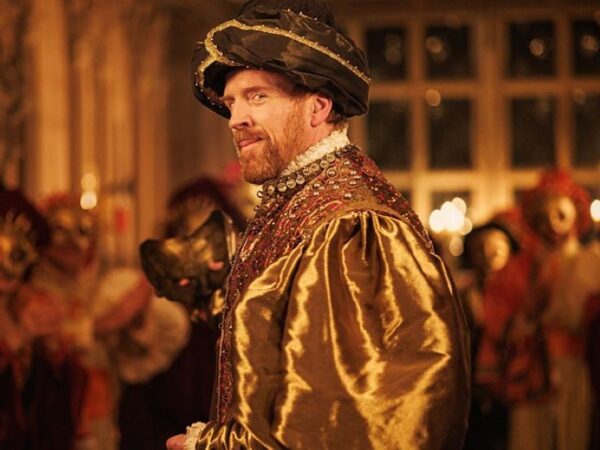
Damian Lewis als Henry VIII
Liza Cody
This has been a rather bleak year, but one thing I can highly recommend is the BBC adaptation of The Mirror and the Light, a follow-on to their Wolf Hall. It’s about what went on in Tudor England under Henry the Eighth and everything you could possibly want to know about cruelty, murder and hypocrisy is laid bare with a stunning cast and absolutely elegant writing.
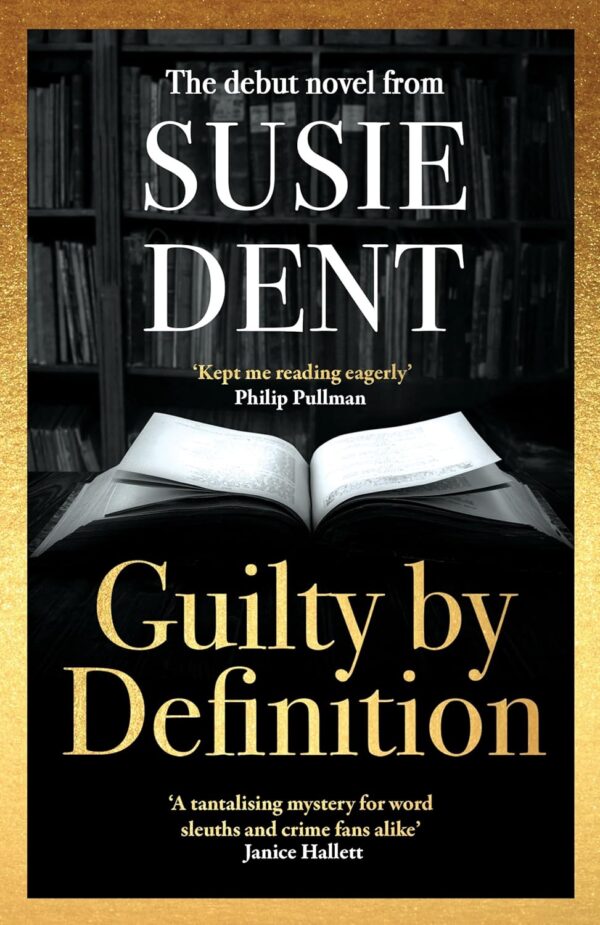
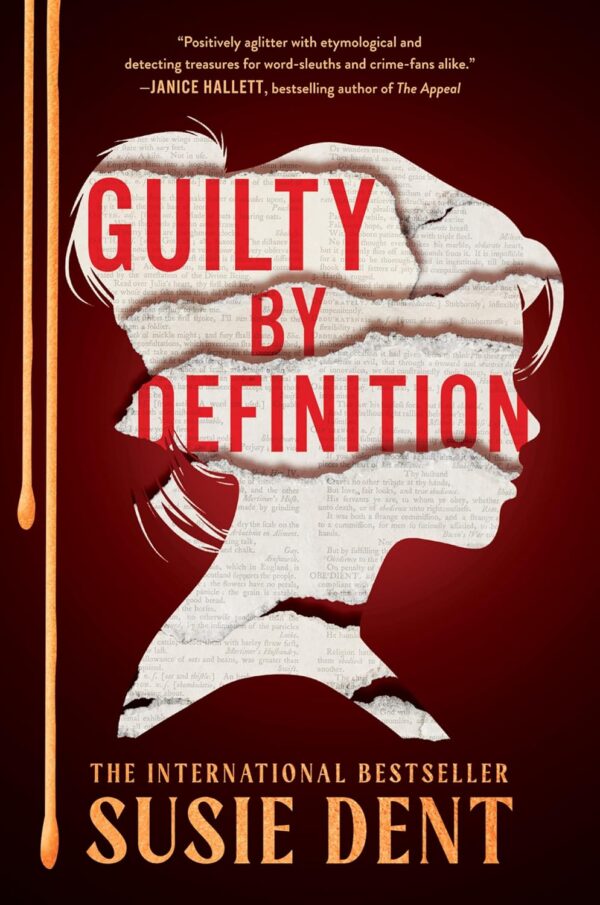
Unusually for me, I found an English cosy novel that I really admired. It is so English that I cannot imagine it will ever be translated. It is Murder by Definition by Susie Dent, who works for the Oxford English Dictionary.
That’s all I can think of at the moment. Be well and be lucky.


Liza Cody wurde gerade für „Die Schnellimbissdetektivin“ (übersetzt von Iris Konopik, erschienen bei Ariadne) mit dem Deutschen Krimipreis 2024 ausgezeichnet.
** **