Chistina Mohr: 20 Alben 2024
Kim Deal, Nobody Loves You More
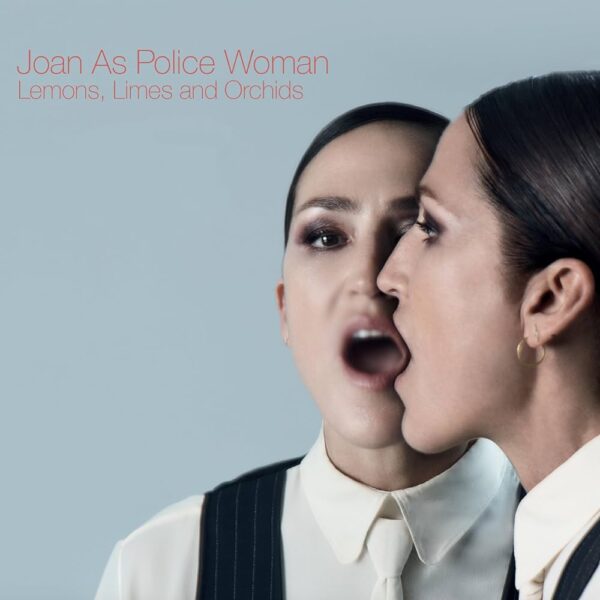
Joan As Policewoman: Lemons, Limes and Orchids
The Last Dinner Party – Prelude to Ecstasy
Remi Wolf – Big Ideas
Yaya Bey – Ten Fold
Kim Gordon, The Collective
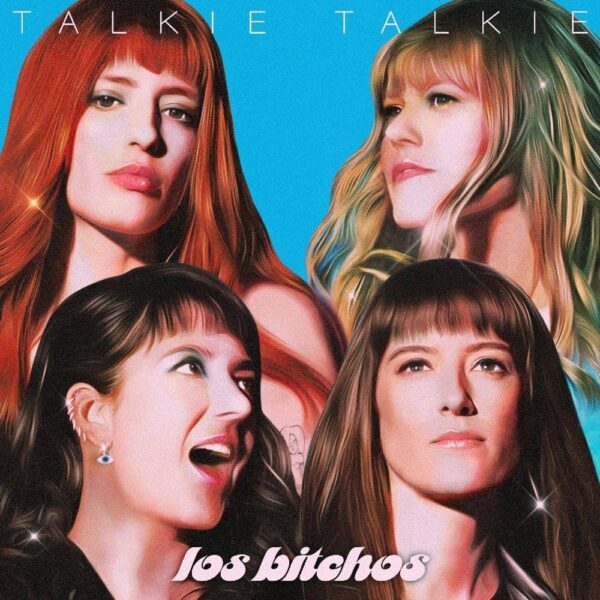
Los Bitchos – Talkie Talkie
Gustaf – Package Pt. II
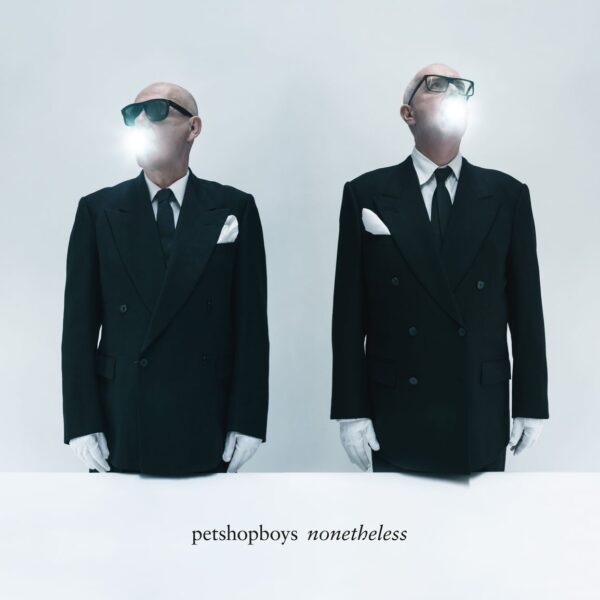
Pet Shop Boys – Nonetheless
Nilüfer Yanya – My Method Actor
TORRES – What An Enormous Room
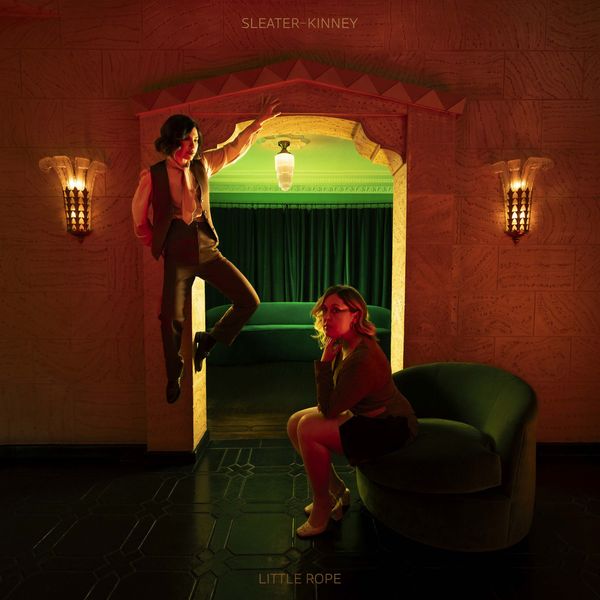
Sleater-Kinney – Little Rope
Yard Act – Where’s My Utopia?
Waxahatchee – Tiger’s Blood
Peggy Gou – I Hear You
Kate Nash – 9 Sad Symphonies
Brittany Howard – What Now
Serpentwithfeet – Grip
Oum Shatt – Opt Out
Xiu Xiu – 13’’ Frank Beltrame…




5 Songs 2024
Billie Eilish – Lunch
The Weeknd & Playboi Carti – Timeless
Chappell Roan – Good Luck, Babe!
GloRilla – TGIF
Bärchen und die Milchbubis – Alles falsch
Vergessen:
Noga Erez, The Vandalist
** **
Marcus Müntefering: 2024 – Was vom Jahre übrig bleibt
Das Krimijahr 2024 war durchwachsen, die ganz großen Würfe waren eher Mangelware. Zu nennen sind hier:
Joe Thomas – Brazilian Psycho (btb).
Wie konnte jemals ein Irrer wie Jair Bolsonaro an die Macht kommen? Alle Antworten findet man hier. Wenn es nur helfen würde.

Danya Kukafka – Notizen zu einer Hinrichtung (Blumenbar)
Der wahrscheinlich intelligenteste Serienmörder-Roman ever. Wie eine sehr lange, sehr traurige Ballade.
Friedrich Ani – Lichtjahre im Dunkel (Suhrkamp)
Ein Abschiedsbuch. Und entsprechend verfinstert. Wir werden dich vermissen, Süden!
Lavie Tidhar – Maror (Suhrkamp)
Was es dazu zu sagen gibt, hat Alf Mayer gesagt (1).
Eli Cranor – Bis aufs Blut (Atrium)
Was vor ihm S.A. Cosby war, ist jetzt Eli Cranor: der heißeste Scheiß unter den aktuellen US-Autoren. Hart, aber nicht herzlos.
Tana French – Feuerjagd (S. Fischer)
Ihr zweiter Country Noir/moderner Western. Ein Confidence Man bringt ein Dorf zum Durchdrehen. Und uns zum Jubeln.
Jake Lamar – Das schwarze Chamäleon (Edition Nautilus)
Die Entdeckung des Jahres. 20 Jahre alt und immer noch hoch aktuell.
Dazu zwei Neuauflagen:
John le Carré – Tinker Tailor Soldier Spy, neu (und brillant) übersetzt von Peter Torberg (Ullstein)
Ein sehr guter Autor wird zum Weltliteraten. Erstaunlich die Entwicklung von „Der Spion, der aus der Kälte kam“ bis zu diesem Meisterwerk. Kälter als der Kalte Krieg.
Ross Thomas – Die Narren sind auf unserer Seite, erstmals vollständig übersetzt von Gisbert & Julian Haefs (Alexander Verlag Berlin)
Was es dazu zu sagen gibt, hat Alf Mayer gesagt (2).
Tim O’Brien – America Fantastica (HarperCollins)
Die USA als eine Nation von mörderischen Pinocchios. Das Lachen bleibt einem im Hals stecken, bis man zu ersticken droht:
Meine absoluten Favoriten sind zwei Romane, die das Genre nur streifen:
John Wray – Unter Wölfen (Rowohlt)
Jugend. Metal. Kirchenzünder. Erwachsen werden tat noch nie so weh.
Andrew O’Hagan – Caledonian Road (park x ullstein)
London seziert, von den Dealern über illegale Einwanderer und skrupellose Unternehmer (Briten, Russen, Chinesen) bis zur Intelligenzija. Ein Epos wie von Dickens oder Tom Wolfe.
Interessantes Interview mit O’Hagan in der NZZ.
Film:
The Substance von Coralie Fargeat
Französische Frauen machen den besten Body Horror, nach „Titane“ von Julia Ducournau, kommt jetzt eine schrille Satire auf (nicht nur) Hollywoods Schönheitswahn. Bloody good.
Emilia Pérez von Jaques Audiard
Auch der zweite große Film des Jahres kommt von einem Franzosen. Ein Gangster-Musical, wie wir es noch nicht gesehen haben: Ein Kartell-Boss will als Frau leben, was erstaunlich gut klappt. Bis es nicht mehr klappt. Knallt wie Kokain.
TV:
The Sympathizer
Wenn ich einen Roman für unverfilmbar gehalten hätte, dann von Viet Than Nguyens Pulitzer-Preis geschmückten „Der Sympathisant“ (hier ein Interview, das ich mit dem Autor geführt habe).
Ein irrer Trip zwischen (unter anderem) den letzten Tagen des Vietnamkriegs und den komplizierten Ränkespielen in der vietnamesischen Community in der USA (und der versuchten Steuerung durch die CIA). Mit einem Doppelagenten, der schon lange nicht mehr weiß, wer er und was real ist. Da brauchte es schon ein Regie-Genie wie Park Chan-Wook, um diesen Stoff in den Griff zu bekommen. Und wie er das geschafft hat! Auch dank eines Robert Downey Jr. in gleich vier Rollen.
Musik:
Konzert des Jahres war trotz harter Konkurrenz (The Bathers mit Streichquartett in der University of Glasgow Debating Hall, die Tindersticks auf Kampnagel, Waxahatchee im Mojo Club) Nick Cave and the Bad Seeds in Hamburgs Barclay Card Arena. Er hat es geschafft, die trostlose Mehrzweckhalle in einen Tempel des Glücks zu verwandeln. Näher kann man als Atheist nicht an Erleuchtung kommen. Eine zweieinhalbstündige Offenbarung, pure Überwältigung.
Hier ein Making of des neuen Albums „Wild Gods,“ das toll ist, aber erst live seine volle Wucht entfaltet:
Album des Jahres, keine Frage, war für mich Orville Pecks „Stampede“. Der queere Country-Sänger mit 14 Duetten von klassischem Country über Balladen und Disco bis zu Klassikern wie „Saturday Night’s Alright for Fighting“, das er mit Elton John singt. Weitere Anspieltipps: „Midnight Ride“ mit Kylie Minogue und natürlich die schwule Country-Hymne überhaupt: „Cowboys are Frequently, Secretly Fond of Each Other“ mit dem (hoffentlich) unsterblichen Willie Nelson:
Zusammen mit der Verlegerin Else Laudan (argument/ Ariadne) und dem Buchhändler Torsten Meinicke (Buchladen in der Osterstraße) veranstaltet er regelmäßig den Krimi-Talk „Rasterfahndung“ im Futur III im Hamburger Karoviertel. Zum Beispiel am Donnerstag 30.1.2025.
Die Texte von Marcus Müntefering bei uns gibt es hier.
** **
Andrew Nette: My Cultural Highlights of 2024
The end of the year nears. That means it is time for my year cultural highlights of 2024. So, without further introduction, let’s get into it.
On the page
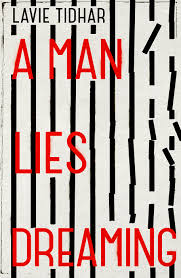
A shout out to the tireless CrimeMag editor and friend Alf Mayer who introduced me to one of my best reads of 2024 – and a completely new to me author – Lavie Tidhar. A Man Lies Dreaming (2014) takes as its starting point that Germany’s communist party won 1933 election, after which the Nazis were crushed. War is brewing between the newly enlarged Soviet Bloc and the West, and the surviving Nazi leadership have been scattered, many of them finding their way to the United Kingdom, where Oswald Mosley’s British Union of Fascists is on the cusp of seizing power. Among these Nazi fugitives is Hitler, or Wolf, as he is referred to in the book (one of his real life pseudonyms in the 1920s).
Barely making a living as a down at heel private detective, Wolf is forced to take a case for Isabella Rubinstein, the daughter of a wealthy Jewish family. The family have paid to have Rubinstein’s younger sister smuggled out of communist Germany, but she has gone missing. Given ex-Nazis run Europe’s people smuggling racket, she figures that Wolf will have an inside track on finding out what happened to her. As befits the mould of classic hard boiled PI fiction from which the plot is drawn, the case sees Wolf getting deeper and deeper into events beyond his control. Intertwined with his activities is a parallel plot line about a Jewish pulp writer Shomer, languishing in the hell of a Nazi concentration camp. A Man Lies Dreaming is a wonderful blend of speculative fiction, noir, and real historical facts to examine Israeli identity and critique the country’s politics and its position in the Middle East.
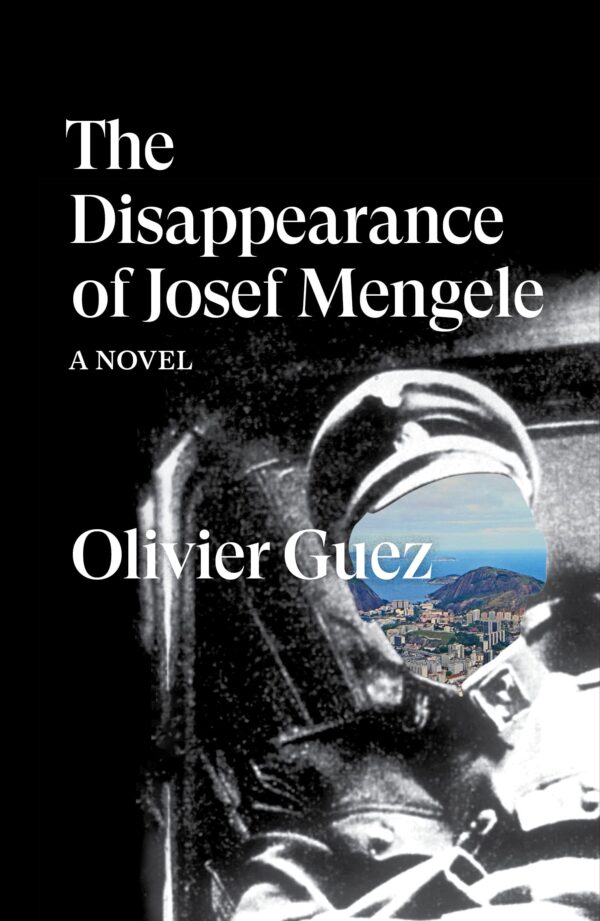
Quite a bit of my reading in 2024 had a German connection. Another book I enjoyed was Olivier Guez’s beautifully written 2017 novel The Disappearance of Josef Mengele. Guez tries to piece together the infamous war criminal’s life from the point at which he fled Europe and landed in Argentina, in the process illuminating a nasty slice of post war politics. It is not so much the character of Mengele that makes this book interesting, but the forces that enabled Mengele to remain free until his death. These include an extensive network of sympathises in the Catholic church, the large network of Nazi fugitives in Latin America, and the covert assistance of his family in Germany, who ran a very successful farm equipment business. He was also helped by authoritarian regimes in Latin America. I also really enjoyed Laurent Binet’s hhhH (2010), a piece of creative nonfiction that tells the story of the two Czechoslovakian parachutists sent on a daring mission to assassinate Reinhard Heydrich, head of the Nazi secret service and the so-called ‚the hangman of Prague‘. I also continued to work my way through Philip Kerr’s Bernie Gunther series. I read six of Kerr’s books this year, Field Grey (book #7), Prague Fatale (book #8), The Lady from Zagreb (book #10), The Other Side of Silence (book #11), Prussian Blue (book #12) Greeks Bearing Gifts (book #13). Some of these – Prague Fatale – are excellent but others – Prussian Blue and The Other Side of Silence – were simply too long and one gets the distinct feeling that the bigger Kerr became, the less his editors felt that could take a much needed red pen to his work.
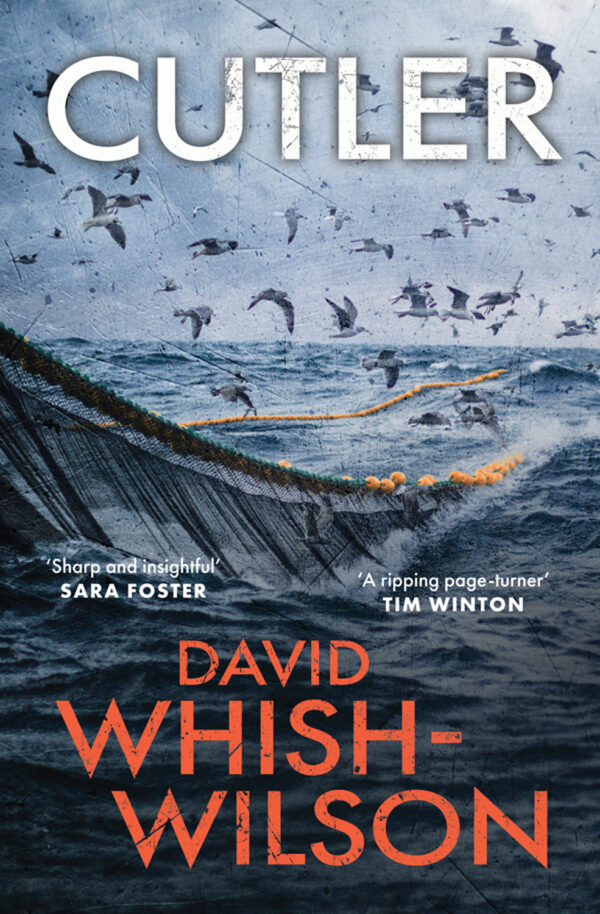
I really rate Cutler, the latest by one of Australia’s most underrated crime writers, the West Australian David Whish-Wilson. Cutler is a tough undercover operative assigned to investigate the disappearance of a young marine scientist on a Taiwanese distant water fishing vessel. But the story quickly veers into issues such as slavery and ecologically destructive practices of the global fishing industry. Cutler combines taunt story telling with Whish-Wilson’s trademark wonderful prose stylings.
I’m a sucker for haunted film stories, so really enjoyed Silvia Morena-Garcia’s Silver Nitrate. A young female sound editor in 1990s Mexico City discovers that her best friend – and unrequited romantic crush – lives next to a long forgotten cult horror director. This is the jumping off point for a tale of Nazi occultism and a cursed film. I absolutely devoured Denise Mina’s 2021 violent, sex drenched novella Rizzio, about the bloody assassination of David Rizzio, the private sectary to Mary, Queen of Scots. My list of highlights on the page also includes the late John Le Carré’s The Looking Glass War (1965). The story revolves around the Department, a low rent version and fierce rival of George Smiley’s Circus. The Department believes it may have stumbled across a plan by Moscow to base missiles on East German soil, which if true could represent a Cold War escalation of Cuban Missile Crisis proportions. To try and verify the information, The Department gets the go ahead to send a man over the border into East Germany, Leiser, a Polish man living in London who worked for British intelligence in WWII. A wonderful exploration of the world of analogue spy craft and a gripping evocation of men simultaneously damaged & strangely sustained by their war service, an experience that was both horrific and the highlight of their lives.
On the screen
My standouts on the small screen were the 1980s television series Miami Vice, which I started watching, and the delightfully bent first part of fictionalised history of the British Special Air Service, Rogue Heroes.
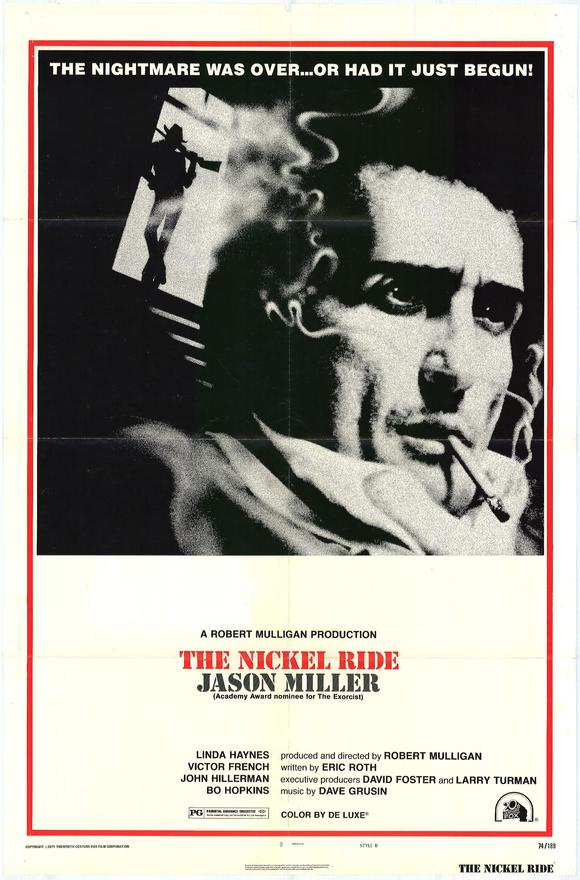
A fair bit of my film watching every year is bound up with podcast appearances and 2024 was no different. One of the highlights of this was rewatching Robert Mulligan’s 1974 neo noir, The Nickel Ride for an episode of the Pink Smoke podcast devoted to the movie, part of their series on landmark films of 1974 (you can listen to the episode in full here). The Nickel Ride stars Jason Miller (in his first performance after the breakout success of his 1973 film, The Exorcist) as Cooper, a mid-level operative in the Los Angeles crime scene, who managers several downtown warehouses where the local mob stash their stolen merchandise. Cooper is under major pressure from the shadowy syndicate he works for to get hold of a large track of old commercial warehouse space that would be perfect for their needs. But there seems to be some sort of complication preventing him from closing the deal. While this is going on he is assigned to work with Turner (Bo Hopkins), a cocky cowboy enforcer. Turner insists he is only there to learn the ropes, but Cooper suspects he is around to kill and replace him. A film that is big of setting and vibe, I maintain that The Nickle Ride is one of the best American crime films of the first half of the 1970s.
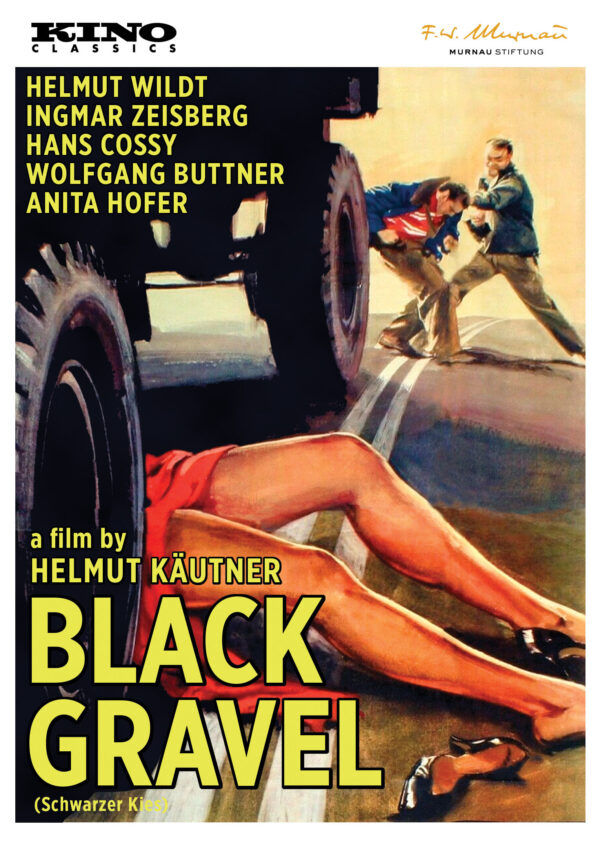
Much like my reading, German related cinema provided some of the highlights of my film viewing in 2024. Chief of these was Helmet Kaeutner’s trucker noir, Black Gravel (1961). Set on the cusp of the county’s economic boom, it focuses on a collection of characters in a fictitious town next to a major US air force base. The locals’ chaff under the economic supremacy of their American occupiers, while at the same time doing their utmost to make money off them by catering to their sexual and other desires or, in the case of the main character, a truck driver called Neidhardt (Helmut Wildt), by stealing from the black gravel being used to extend the base’s runway and selling it on the black market. A chance encounter with a lover from before the war, Inge (Ingmar Zeisberg), sets off a chain of events that will see both come undone. Other highlights were Peter Lorre’s sole directorial outing, The Lost One (1951), and Robert Siodmak’s The Rat’s (1955).
A chance viewing of David Hinton’s Made in England: The Films of Powel and Pressburger (2024) earlier in the year led me on a mission to fill the gaps in my knowledge of these two extraordinary creatives. This included 49th Parallel (1941), The Red Shoes (1948), and The Small Black Room (1949). But the Powell/Pressburger film that left me absolutely stunned was The Black Narcissus (1947). A sumptuous, wonderfully overheated example of probably my favourite film trope, white people out of place and slowly going mad in the global south, I was floored by Kathleen Byron’s stunning performance as Sister Ruth and those colourised photographic backgrounds look amazing.
Feel free to check out my full list of top ten new to me films in the past year over on Letterboxed via this link.
Andrew Nette lives in Melbourne and is a writer of fiction and non-fiction, reviewer and pulp scholar. He is the author of three novels, Ghost Money, a crime story set in Cambodia in the mid-nineties, and Gunshine State, and co-editor of Hard Labour, an anthology of Australian short crime fiction, and LEE, an anthology of fiction inspired by American cinema icon, Lee Marvin. He also co-edited Girl Gangs, Biker Boys, and Real Cool Cats: Pulp Fiction and Youth Culture, 1950 to 1980, and Sticking it to the Man: Revolution and Counterculture in Pulp and Popular Fiction, 1956 to 1980, both published by PM Press. Both reviewed by Alf Mayer here and here. He also co-edited a third volume for PM Press, Dangerous Visions and New Worlds: Radical Science Fiction, 1950-1980, reviewed here by Alf Mayer.
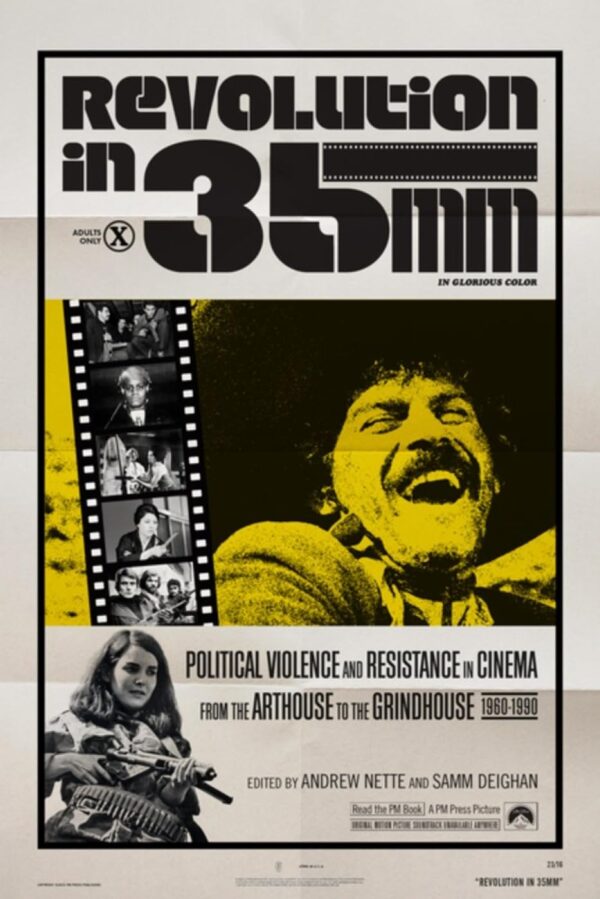
His new book Revolution in 35mm: Political Violence and Resistance in Cinema from the Arthouse to the Grindhouse, 1960–1990 is out now via PM Press. We soon will have a review.