David Whish-Wilson: What works late at night …
In a year of insomnia amid the doomscrolling associated with following the genocide and the return of chest-thumping fascism (big shoutout to Don Winslow for his online activism on the latter matter), I’ve tended toward books and streaming that work late at night and into the early morning.
The joys of reading friend’s books, like Alan Carter’s Franz Josef and Jay Martin’s Boomtown Snap, and some terrific debut crime novels like Alex Dook’s Gunpowder Creek and Shaeden Berry’s Down the Rabbit Hole, was kept to the daylight hours, along with the usual pleasure of judging competitions, reading student work and working on my own stuff. It was late at night that I found myself drifting into mostly rereading entire series, like the James Crumley novels, all of Pelecanos and Ellroy, and the three terrific novels by Kent Anderson, along with Peter Temple and Megan Abbott’s back catalogue.
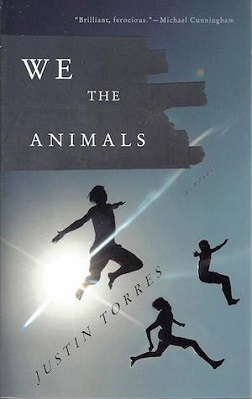
I also reread a lot of Gary Disher, Iain Ryan and Andrew Nette, again, for the pleasure of it. I usually read a lot of literary fiction, but this year, apart from Justin Torres We the Animals and rereading a lot of Jean Genet, the strange and eerie crap going on in the world brought home to me again how important genre forms are in representing the absurdity and dangers of the current moment, even if accidentally.
I greatly enjoyed a recent viewing of Yorgas Lanthimos’s Bugonia for this reason, as well as Paul Thomas Anderson’s One Battle After Another. The background AI weirdness happening everywhere drew me back to rewatching Ronald D Moore’s Battlestar Galactica, whose patient approach and creeping paranoia perfectly suits the late night hours in this, the world’s most isolated capital city that I write from.
For the same reason, I watched then rewatched Nicholas Windig Refn’s Too Old to Die Young, whose mannered direction was also in keeping with the cynicism, strangeness and casual, gleeful colonial violence characteristic of 2025.
As for now, I’m hanging out for some holiday sleep and summer sunshine, dreaming of the fall of dictator clowns everywhere.
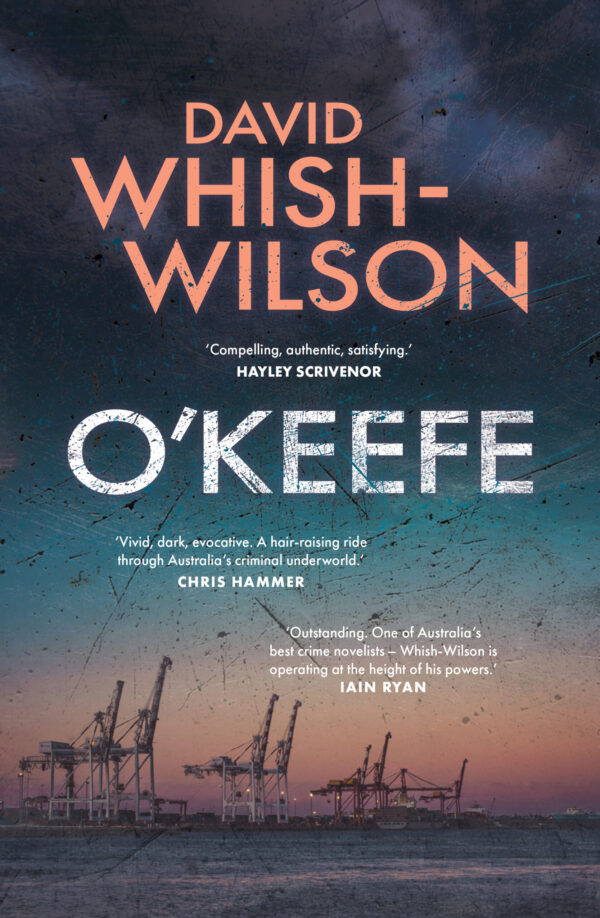
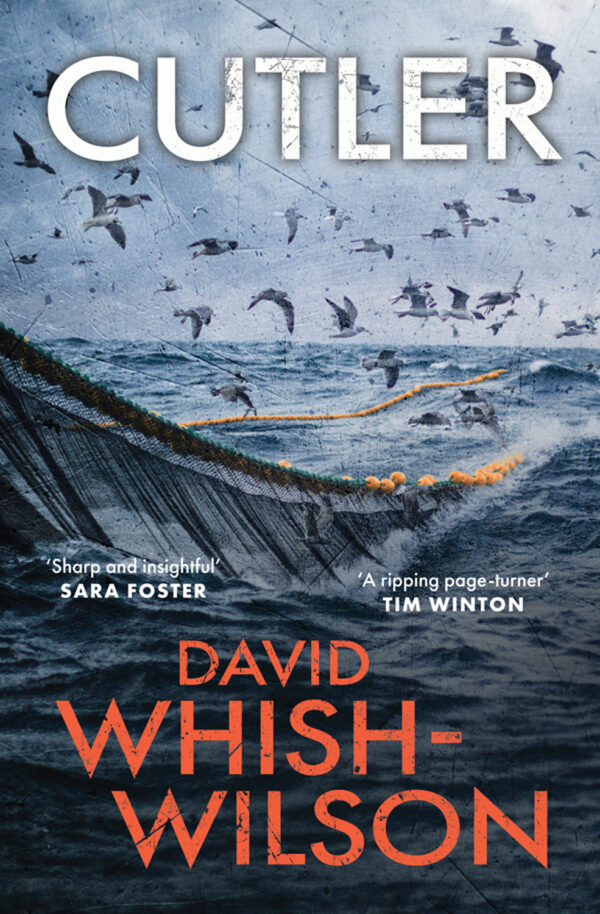
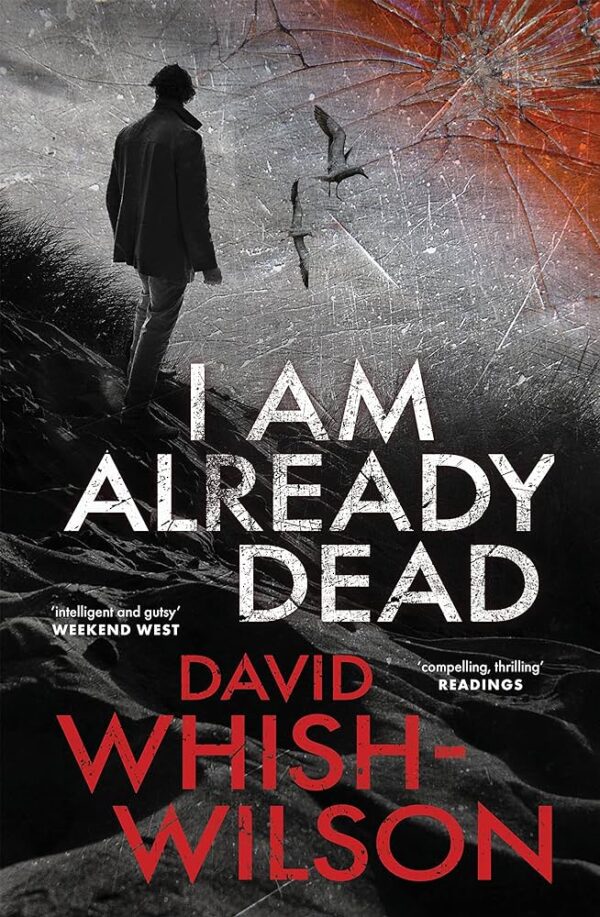
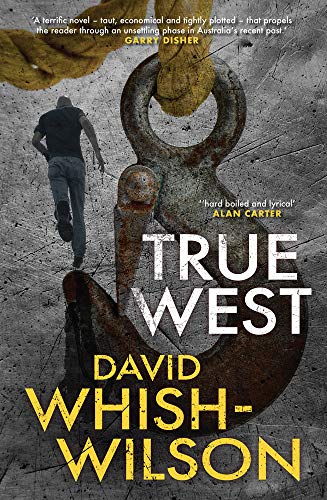
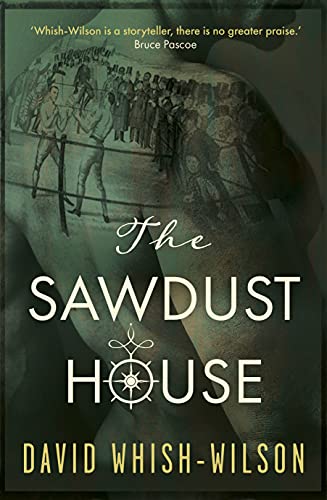
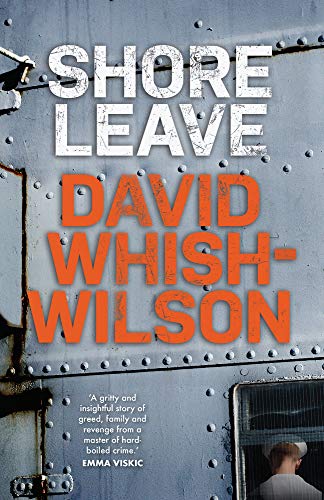
David Whish-Wilson lives in Fremantle/ Western Australia with his wife and three kids and is the author of O’Keefe, Cutler , I Am Already Dead, True West (CrimeMag review here), of The Cove (CrimeMag review here) and some other fine novels, two of them shortlisted for the Ned Kelly Award for crime fiction. His first three Frank Swann novels are translated in Germany, published by Suhrkamp. Book 4 is titled Shore Leave. His non-fiction book Perth (2014) was shortlisted for the WA Premier’s Book Awards.
Dave’s presence at CulturMag. His website.


** **
Robert Wilson: You have to take risks
This was the intro to The Economist‚s Best Books of 2025: „Aspiring authors, beware: as a former editor on our Culture desk I’ve seen the massive sacks of books that come in for review almost every day. There are too many published; most are (pretty much by definition) mediocre or worse.
But fortunately the law of large numbers means there are a fair few good ones.”
Not just ‚aspiring authors‘ but ‚good writers‘ too. I’m still shocked that the Booker Prize winner 2020 ‚Shuggie Bain‘ by Douglas Stuart was turned down by 44 publishers on both sides of the Atlantic before Grove Press finally took a punt. It should be pointed out that most of these publishers thought the book was, and they used this word: ‚brilliant‘. BUT and I quote they ‚just didn’t know how to market it.‘ (See my review from Feb 2021 here.)
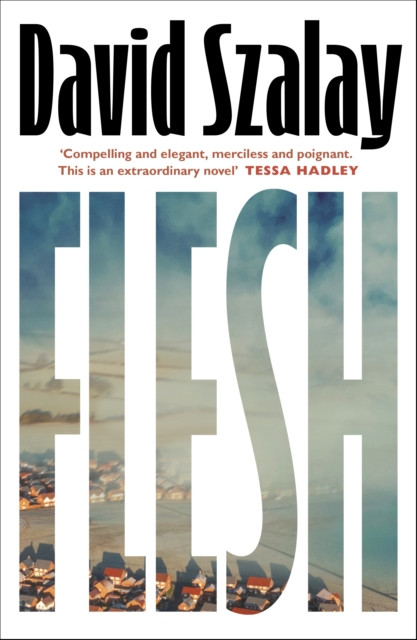
Everybody noticed, when ‚Flesh‘ won the Booker, that in his acceptance speech David Szalay used the work ‚risk‘ fifteen times. Mainly he was thanking people for taking risks and encouraging people to take more risks. This is because publishers are becoming more and more risk averse as we’ve seen from the lack of advances, a ’spaghetti on the wall‘ attitude to new writers (publish lots for no money and see what sticks), the expectation that writers will give up writing time and their own money to market their work and the diversion of large sums of money to celebrity writers with a solid following. It’s in the nature of corporate entities to try to introduce as much certainty as they can into their business, the problem comes when the material they’re selling is delivered from outside the company by a supplier who is being paid to be creative and you have no idea what you will get. I worry that if that reality doesn’t imbue publishers with excitement then the possibility of taking control of ‘creativity’ with AI will be too enticing.
It’s clear from what the Economist is saying above that the current strategy isn’t working and readers aren’t getting the books they deserve. I’m also hearing that pumping all this money at celebrity writers isn’t giving the expected returns.
I’m writing this not only because I saw the intro in The Economist but also because I’m in the process of looking at a list of films from which a local cinema will choose a dozen or so movies to show to their community. It’s an amazing, eclectic mixture of work from all over the world: extraordinary documentaries, fascinating biopics, thrillers, historical dramas, comedies. Some are made by big names such as Steven Soderbergh, Bong Joon Ho and Paul Thomas Anderson, others are from China, Slovenia, Spain, Africa and Germany and others by people you’ve never heard of.
I’m struggling to see how these 50 odd movies can be whittled down because, apart from the American derivatives, there’s something fascinating in almost all of them.
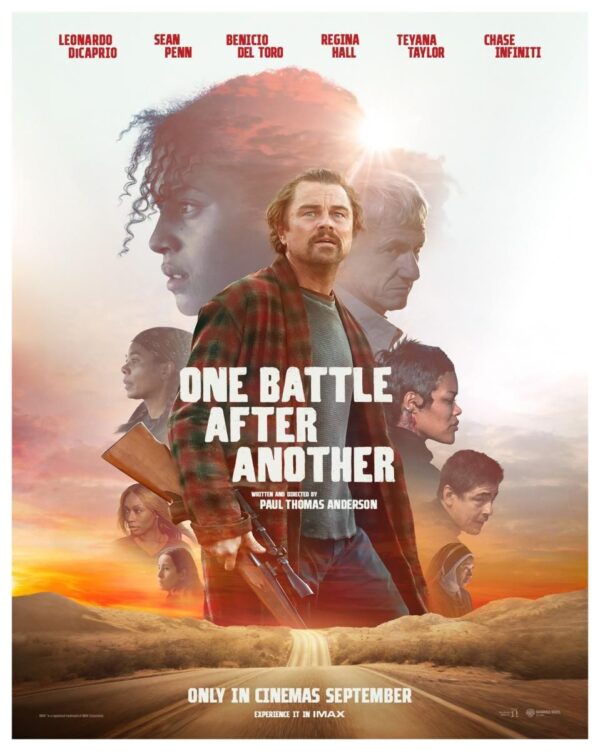
I was particularly struck, though, by Paul Thomas Anderson’s movie ‚One Battle After Another‘. I haven’t seen it, but I’ve watched the trailer, read about it and listened to some podcasters. The first thing that’s clear is that Warner Bros have taken a big risk. They put up $130 – $175m to make the movie knowing that PTA’s highest-grossing film to date was the exceptional ‚There Will Be Blood’ (2007) which with a budget of $26m earned around $76m worldwide. It is also, according to Mark Kermode, ‚blimey Charlie and then some‘ ie difficult to describe but completely mindblowing, and he couldn’t wait to see it again. Not so different to how he described Bong Joon Ho’s movie ‚Mickey 17’.
You might think that Warner Bros weren’t taking such a risk big with PTA as director, Leonardo DiCaprio, Sean Penn and Benicio del Toro in the cast and Jonny Greenwood composing the score, but another podcaster I listened to described it as boring, overlong, didn’t care about any of the characters with a convoluted story and he’d never want to watch it again. And Kermode did admit to being at times baffled by it’s bizarre melding of cinematic genres – politics, love, thriller and chaos.
Three of PTA’s films made since ‘There Will Be Blood’ (2007) have not made their budget at the box office. Only Phantom Thread just broke even. All included big names such as PSH, Joaquin Phoenix, Owen Wilson, Daniel Day Lewis. To the lily-livered executives concentrating on the focus group’s findings, that could be the deterrent they were looking for, but ‘One Battle After Another’ has so far grossed just over $200 million in two months.
In the creative industry you have to take risks. Ask Bloomsbury, down on their uppers, when presented with JK Rowling’s first Harry Potter, which had already been widely rejected.
It would be great to go back to the days when editorial teams had autonomy, decided on what they thought was brilliant, presented it to the marketing and sales teams who put their heads together and worked out a strategy for taking editorial’s fabulous choices to the market. That way, as readers, we might get the surprises we don’t yet know we’re looking for.
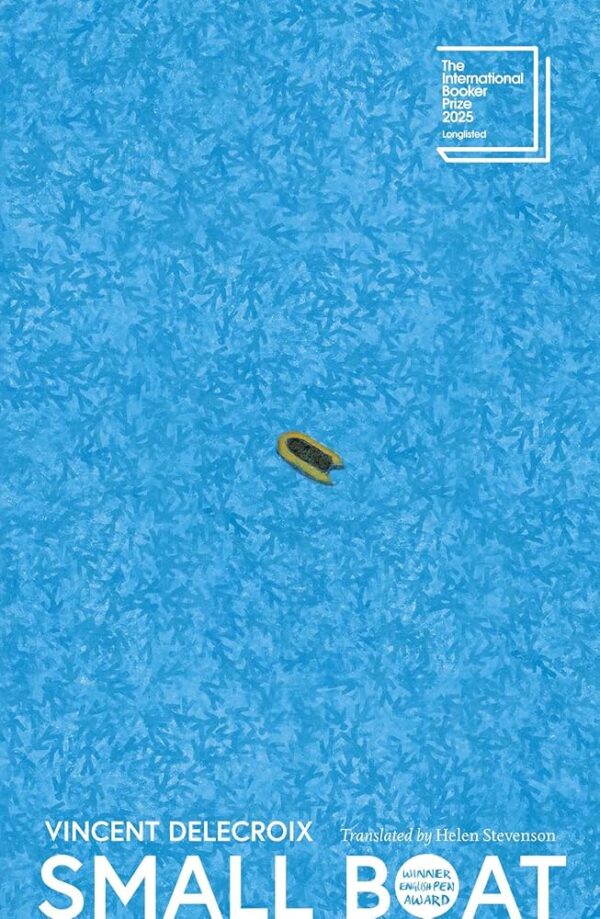
Recently I was recommended a book by its translator, Helen Stevenson. In fact she recommended two novels, which I probably wouldn’t have found on my own. Small Boat by Vincent Delecroix (HopeRoad) is about a true event where 27 illegal immigrants attempting to cross the Channel were drowned when the French coastguard failed to rescue them. A brilliant investigation, Delecroix only uses the real recordings taken from the rescue co-ordinator and the caller on the boat and fictionalises the rest, into the moral complexities of this frightening phenomenon.
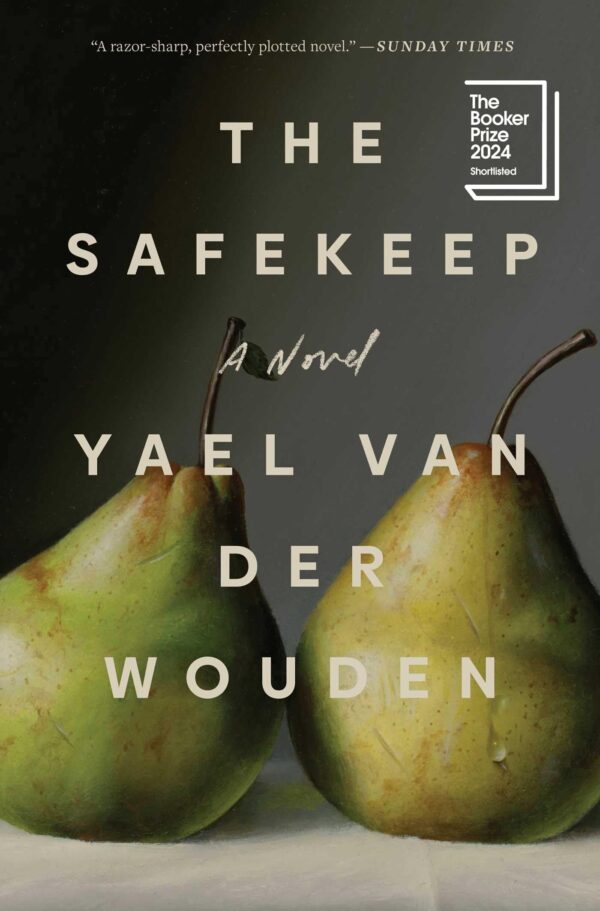
And Safekeep by Yael van der Wouden (Viking), which was shortlisted for the 2024 Booker but was pipped by Samantha Harvey’s ‚Orbital‘. Set in the early 1960s all I was told about this novel was that the lesbian sex scenes were particularly intense but the book, the author’s debut, totally gripped me from the beginning. And yet, if I told you that it was about a rather sour woman, Isabel, living on her own in a house, which she’d moved into during the war with her mother when she was young, who, like her mother before her, is totally obsessed by the belongings within it, you might not think to be so curious. Her two brothers have moved out. Hendrick is gay and she has a strong relationship with him, while Louis has been promised the house when he gets married. It is Louis who turns up one day with a girlfriend, Eva, who, much against Isabel’s will, comes to stay while her brother goes away for a month. There’s a pivotal moment in the book which completely floored me. I really hadn’t seen it coming. One of the best pieces of fiction I’ve read in a long time.
Now I’m reading David Szalay’s ‘Flesh’ (Jonathan Cape).
Keep it up.
Well-travelled Robert Wilson is the author of the Bruce Medway-, Charles Boxer- and Javier Falcon-novels. In 2003 his novel Tod in Lissabon (A Small Death in Lisbon) won the „Deutscher Krimipreis“. He has finished a manuscript for a WW II-thriller, set among the exiles in France and Portugal.
His appearance at CrimeMag here, his essay about Vassily Grossman: Book of the Hour.
** **
Matthias Wittekindt: Zäh wie Honig, gleichzeitig unruhig
Ich beginne mit dem was ganz nah ist: Die, welche ich näher kenne sind gesund geblieben oder haben, was sie körperlich angriff, überstanden. – Danke. Ich selbst bin auch gesund geblieben. – Danke. Ach ja! Fast vergessen. Ich bin ins Rentenalter eingetreten. Hat übrigens eine Menge Vorteile.
Um nun aber auf den Honig zu kommen …
Dieses Jahr hat mir beruflich vor allem eines gezeigt: Warten ist eine Fähigkeit, die man erst mal hinkriegen muss. Es hat sehr lange gedauert, für einen Roman der mir viel bedeutet, einen Verlag zu finden. Teils wegen mangelndem Interesse, teils wegen dieser langsamen, stets höflichen, schwer greifbaren Abläufe, die im Literaturbetrieb – wie ich doch längst wusste, oder? – dazugehören. Dieses Warten, machte mich dann aber doch nervös.
Gleichzeitig – das war die überraschende Seite des Jahres – liefen andere Buchprojekte verblüffend gut. Texte fanden schnell ihr Ziel, bzw. einen Verlag, manches fügte sich fast beiläufig.
Komisch, dass man das alles, auch nach Jahrzehnten, so wenig einschätzen kann.
Gesellschaftlich blicke ich mit fatalistischer Ermattung auf das vergangene Jahr. Der Vormarsch der Gläubigen beunruhigt mich. Wenn ein diffuses Wollen, Wirtschaften und Glauben als Rechtfertigung für Kriege oder die Vernichtung von Institutionen ausreicht, ist das … Was will man denn sagen? – Schlimm?
Ebenso irritiert mich – hier bei uns – eine Politik, deren Hauptenergie sich darin erschöpft, Nein! zu sagen, oder kleine Bastelarbeiten zu präsentieren. Der 500.000 Tonnen schwere Tanker muss runter von der Sandbank. Was will man da mit der Laubsäge oder der Papierwage ausreichten? – Vielleicht mal ein Gedanke?
Das alles läuft auf ein Erodieren, der Mitte raus. Jener Kräfte, die eigentlich dafür da wären, die Weichen neu zu stellen, statt auf Sicht zu fahren. Was will man auch auf Sicht fahren, wenn der Tanker auf der Sandbank festsitzt?
Trotzdem.
Wie die meisten habe ich weiter gearbeitet, Pläne gemacht. Denn das ist ja so mit das Beste am Schreiben. Wir haben es jeden Tag aufs Neue in der Hand.
Ach ja, der Ausblick! Auch das gehört doch zu einem Jahresrückblick. Ich habe in diesem Jahr gelernt die KI zur Recherche zu benutzen und … Oha! Manometer!
Ich habe irgendwie das Gefühl, dass wir in den nächsten Jahren eine Menge Bücher auf den Tisch bekommen, wie vor Klugheit nur so strotzen. Nun geht es bei Literatur nicht um Klugheit, Wissen und Bekenntnis, sondern um die rhythmische Organisation von Material aus dem Nahbereich. Ich würde sagen: Vorsicht.
Euch allen ein gutes neues Jahr und mit lieben Grüßen aus Berlin,
Matthias Wittekindt
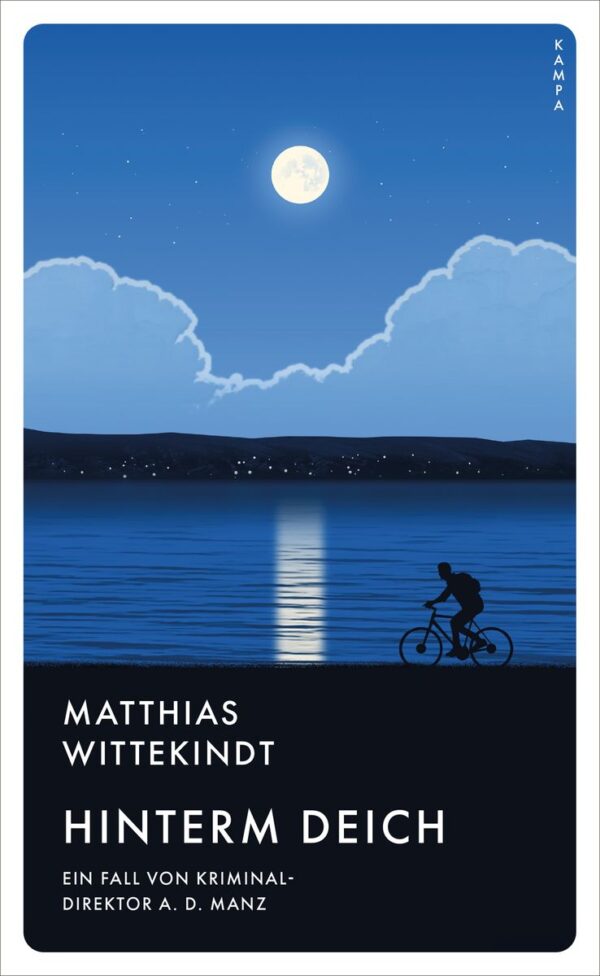






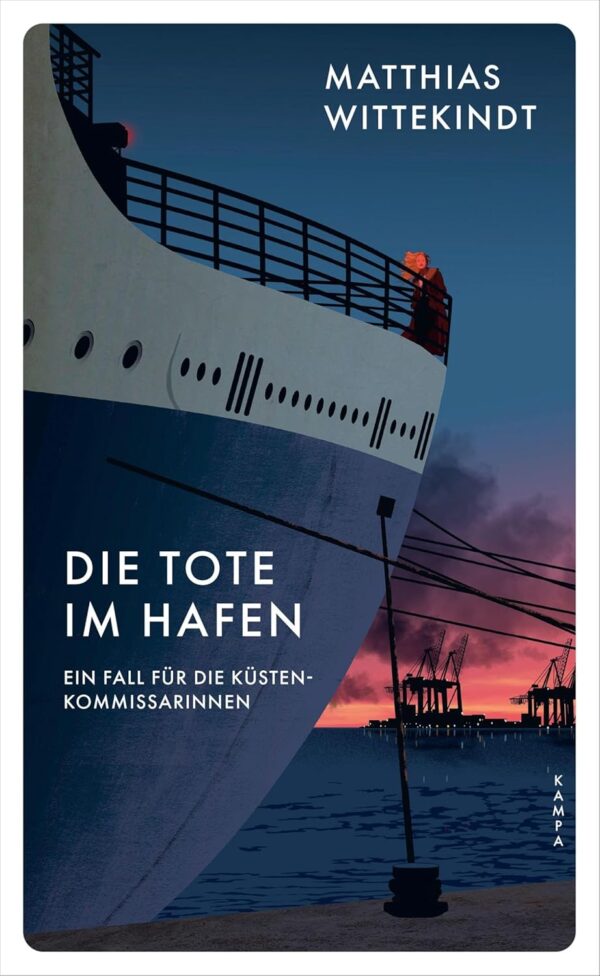
Mit Vor Gericht startete Matthias Wittekindt 2021 eine neue Reihe um den pensionierten Kriminaldirektor Manz im Kampa Verlag. Band 5, Hinterm Deich, wurde mit dem Deutschen Krimipreis 2024 ausgezeichnet. Im Kampa-Frühjahrsprogramm 26 erscheint Die Tote im Hafen.