Andrew Nette: Last Drinks at the Hotel Adlon: Finishing the Bernie Gunther series and beyond
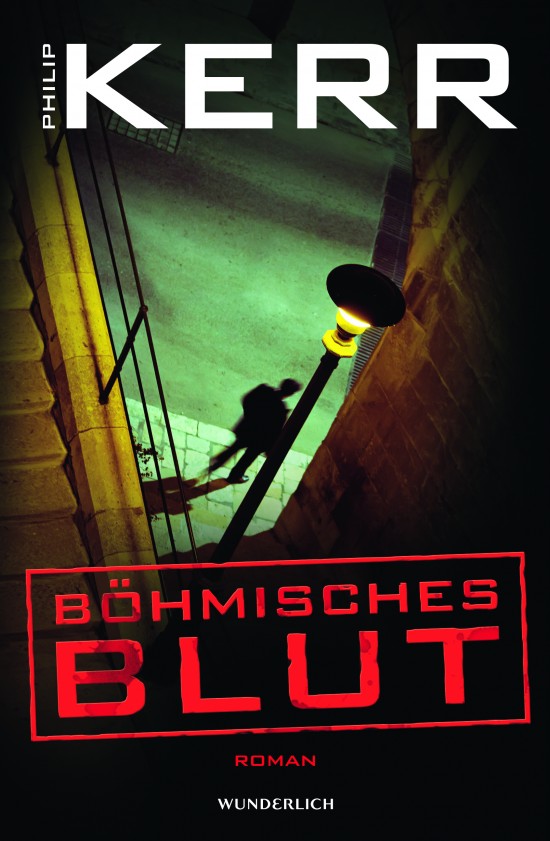
2025 was the year that I finally finished Philip Kerr’s 14 book long Bernie Gunther series. If the Dead Not Rise (2009), the sixth entry, was the final one that I tackled.
I finished it in Berlin, where I am currently living, which felt fitting. The same day, I visited the very powerful Memorial to the Murdered Jews of Europe in the city’s Mitte district and went for a walk to visit the nearby famous Hotel Adlon Kempinski. The Adlon will be familiar to anyone who has read the series, as the place where Gunther worked as the house detective, after being forced to leave the Berlin police force when the Nazis took power in 1933.

The Adlon features heavily in If the Dead Not Rise. The first part of the novel is set in Berlin in 1934, when Gunther is working at the hotel and dealing with the apparently small beer theft of an antique box from a shady American guest. It quickly pivots into a tale involving large scale corruption around construction contracts in the lead-up to the Nazis hosting the 1936 Olympics. In the second half of the book, Gunther is cooling his heels in pre-revolutionary Havana, where he becomes entangled in various complications arising from the reappearance of the characters from the pre-war plot of the book. There is a lot of ruminating about the nature of totalitarian regimes, what makes a successful revolution, Gunther’s ongoing guilt about his activities during the war, and the usual suspension of disbelief required to deal with the fact that Gunther bumps into so many historical figures and events. If the Dead Not Rise is a middle entry in the series. It is not one of the best, but it’s solid.
I have written before about the aspect of Kerr’s Gunther books I like so much: what exactly does it mean to investigate a serious crime and bring the perpetrators to justice when one is operating in a milieu of civil strife and political dictatorship and the notion of the law is largely ignored or, at the very least, heavily malleable by the powers that be. Pretty much every Gunther book takes this as its narrative starting point and pushes it as far as it can. And, for the most part, it works.
Anyway, now that I have read the entire series, allow me to do a spoiler free look at the best, middle and poorest entries of the series. I didn’t read them in order and, if you have not worked your way through them yet, you don’t really need to either. That said, neither would it harm your reading experience to start at the beginning and proceed from there.



The best books in the series:
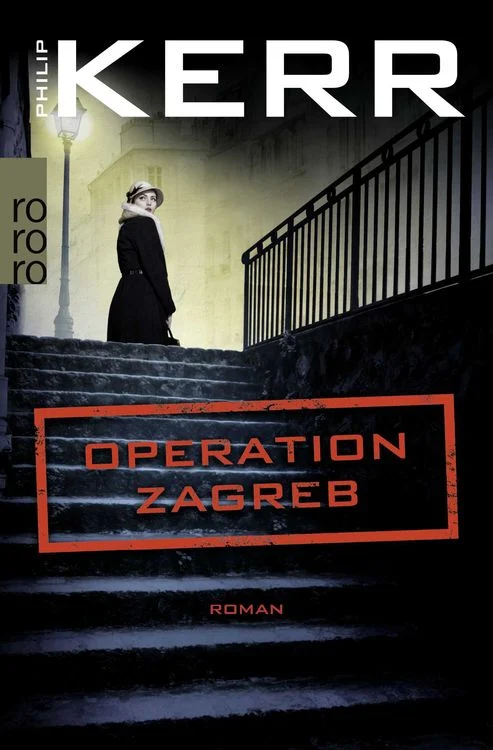
March Violets (1989), set in 1936, The Pale Criminal (1990), set in 1938, and A German Requiem (1991) set after the war in 1947-1948. Absolutely amazing, with the added benefit that they not only pack a punch, but they do so with a relatively short page count, as opposed to some of the later books that just blow out way too much in terms of length.
The One from the Other (2006): Gunther working as PI in 1949 Munich and dealing the guilt/trauma of did reluctantly working for the SS in the Ukraine. Of course, the apparent simplicity of his latest PI case is in inverse proportion to just how complex and dangerous it really is. Kerr also leans heavily into what is the other standard trope of virtually every Gunther book: the inability to break away from or bury the sins and mistakes of the past.
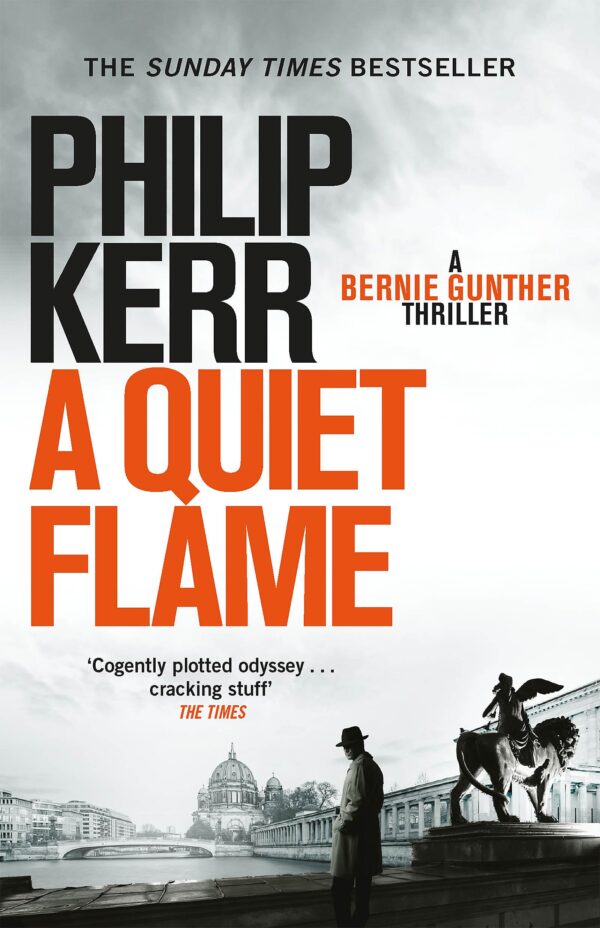
A Quiet Flame (2008): Gunther’s time in the Ukraine, brilliantly rendered by Kerr, not only haunts him for the rest of the series but turns him into a fugitive. This entry sees him flee to Buenos Aires where, once again, his time as a Berlin homicide cop sees him recruited to investigate a crime, with links back to pre-war Germany. This entry was noteworthy for revealing to me the extent of postwar Argentinian leader Juan Perón’s links to the Nazis and his own deeply murderous antisemitism.
Prague Fatale (2011): Gunther, fresh from the Eastern front, investigating yet another small crime that turns out to be anything but. Before long Gunther is in Prague, working for one of the most loathsome Nazis around, Reinhard Heydrich of the SD, who is chillingly portrayed by Kerr.
A Man Without Breath (2013): Post-Stalingrad and the reality of what the Nazis have unleashed by invading Russia is very slowly coming into focus for anyone who cares to notice (most people don’t). Gunther is working for the German War Crimes Bureau – a massive contradiction in terms, as is frequently pointed out in the book – investigating the real life massacre of Polish officers in the Katyn Forest near Smolensk, in German occupied Soviet Russia. Possibly the best entry after the first three books and definitely the darkest and noir one of the series.
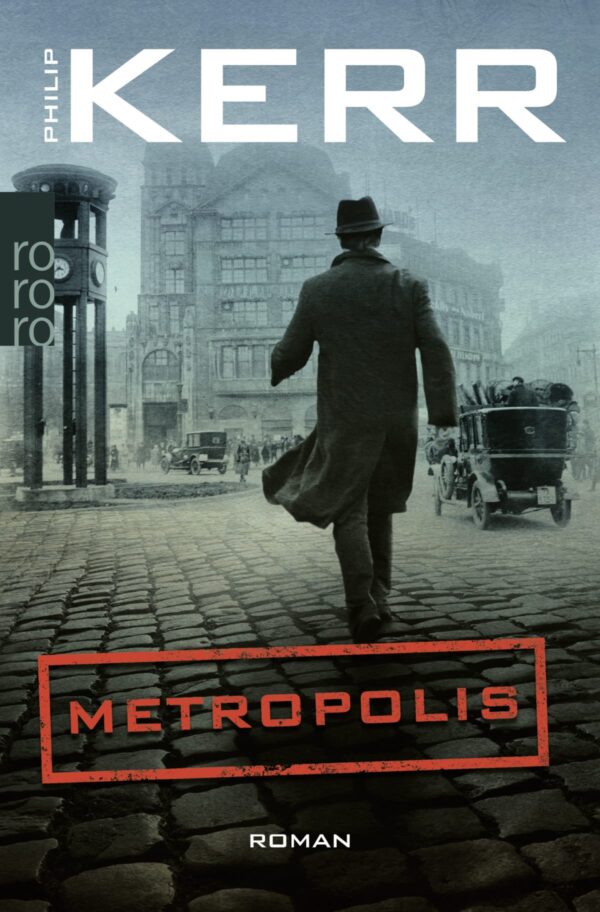
Metropolis (2019): The last in the series, which Kerr wrote as he was dying of cancer, is set in Berlin in 1929, the dying days of the Weimar Republic. A prologue of sorts for the series, it sees Gunther working as a young homicide detective investigating what appears to be a serial killer. Excellent stuff.
Middle entries:
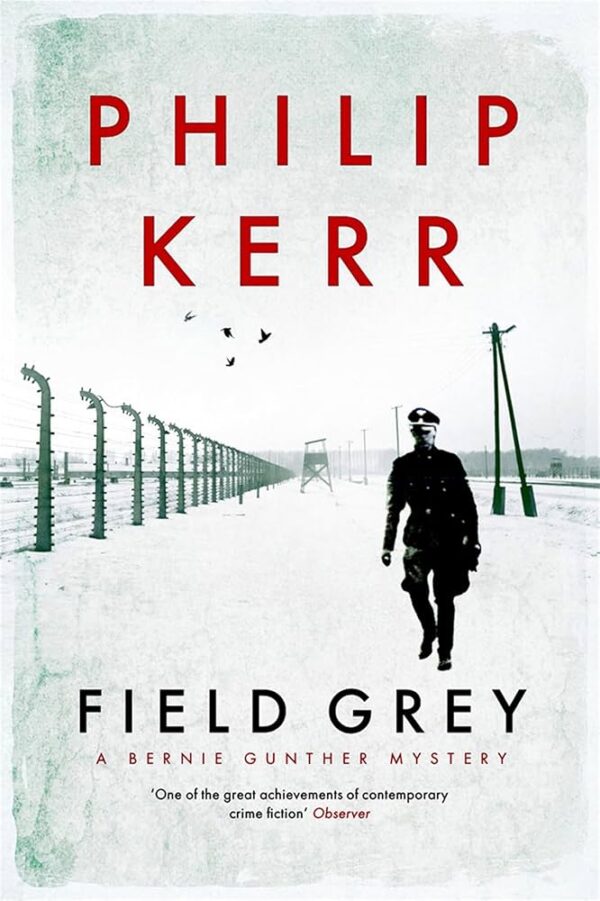
Field Grey (2010): Gunther in Cuba, balancing working for Meyer Lansky with having to spy on him for Cuban military intelligence (for the origins of this complex situation, see If the Dead Not Rise). Long story short, he ends up back in Berlin where he is press ganged into trying to locate a French war criminal and member of the French SS who has been posing as a German Wehrmacht officer.
The Lady from Zagreb (2015): Set mid WWII, Gunther is forced into working for Germany’s propaganda minister, Joseph Goebbels, stunningly portrayed as an ambitious, malevolent, reptilian snake of a man. This sees him get involved with a rising star of the giant German film company UFA. Said case takes him to Ustashe-controlled Croatia, where he encounters murderous intent easily on par with whatever the Nazis can dish up.
Greeks Bearing Gifts (2018): Gunther, dwelling in the shadow of another of his many postwar aliases, working as an investigator for a major German insurance company. His latest job takes him to Athens where he becomes emroiled in a case involving missing funds stolen from Greek Jews deported to Auschwitz.










The worst in the series:
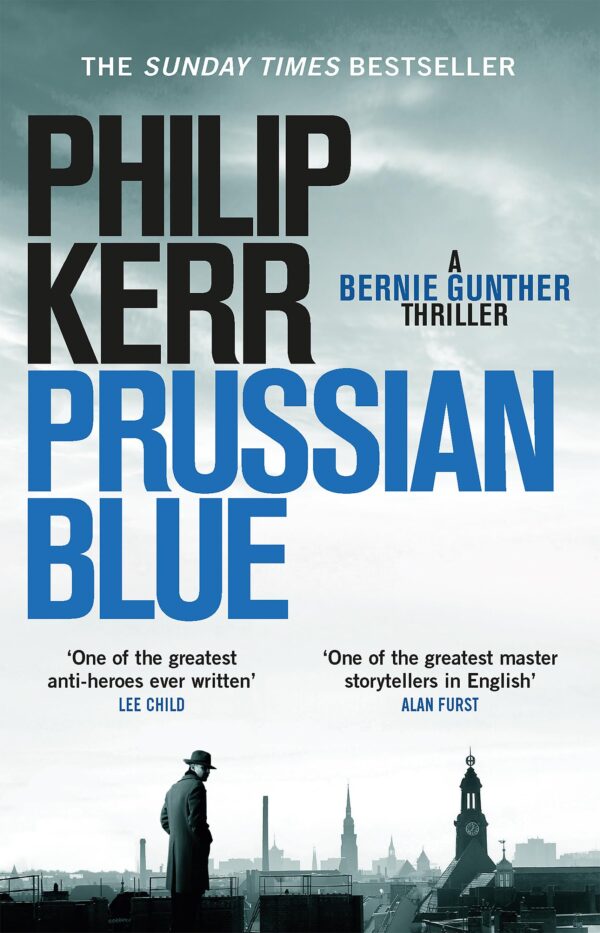
Prussian Blue (2017): Just no, don’t even go there. The only book in the series I started but did not finish. Don’t know what was going on with this one but it is terrible.
The Other Side of Silence (2016): The war is over, and Gunther is living under an assumed name on the French Riviera. He gets involved with one of his neighbour’s, W. Somerset Maugham, who is being blackmailed. Gunther’s efforts to help Maugham unearth a viper’s nest of wartime intrigue. This one dragged. A lot. As I have said, this was a common problem towards the end of the series as the books got bigger and bigger and it is a legitimate question to ask: was Kerr becoming too successful to edit?
If, like me, you have now finished the Gunther series and are looking for a new character to fill the literary hole created by finishing the Kerr books, might I suggest the Martin Bora series. Written by Ben Pastor, the pseudonym for Italian born writer Maria Verbena Volpi, Bora is an intelligence officer in the Germany army during WWII. There are seven books in the series, of which I have read the first two: Lumen and Liar’s Moon, both originally published in Italy in 1999 and 2001 respectively, and since republished along with the entire series by Bitter Lemon Press, an excellent London-based publisher that specialises in translated crime fiction. Apparently, these are very popular in Italy, but I had never heard of them and stumbled upon them largely by accident.
To be honest, I am still not entirely sure what to make of the Bora books, but I will say that the first two have certainly held my attention, largely because Bora is the absolute antithesis of Gunther as a character. Bora is melancholy, cold, brusque, bordering on rude in his dealings with nearly everyone he meets, and obsessive about his work. He is basically just dislikeable. As of book two he has displayed zero sense of humour and – unlike Gunther – evinces no interest in the opposite sex, instead directing his erotic energies towards pining for his wife back in German, to whom he appears to be estranged. The only trait Bora he shares with Gunther is a loathing of the Nazis and a creeping sense of just how badly the war is about to go for Germany.


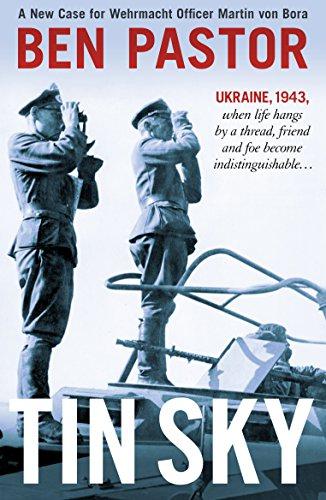
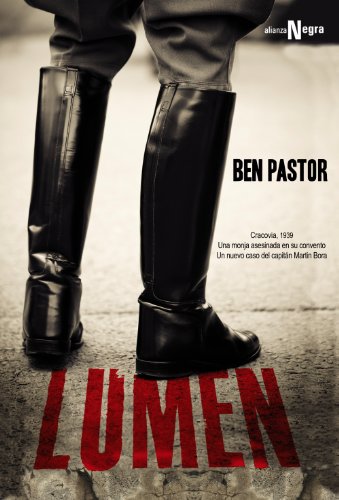




The plots of the Bora books I have read are similarly cerebral and discursive. Lumen is set in Poland just after the German invasion and sees Bora investigating the death of Catholic nun, who rumoured power of being able to see into the future might is linked to the possible suicide/murder of a German officer. A veteran of the Spanish Civil War – on the fascist side – Bora is not pro-war, he’s just a soldier doing what he thinks is his duty. But this dynamic already shifts by Liar’s Moon. The setting is fascist northern Italy, in September 1943. Having just been transferred to Verona from the hell that is the Russian Front, Bora is ordered to investigate the murder of a prominent local fascist. Bora’s personality has not changed but his anti-Nazi sympathies are now in full bloom, placing him in danger from both the local fascists and the Nazis.
I am curious to see where the Bora series goes.
Andrew Nette lives in Melbourne and currently in Berlin. He is a writer of fiction and non-fiction, reviewer and pulp scholar and the author of three novels, Ghost Money, a crime story set in Cambodia in the mid-nineties, and Gunshine State, and co-editor of Hard Labour, an anthology of Australian short crime fiction, and also of LEE, an anthology of fiction inspired by American cinema icon, Lee Marvin. He also co-edited Girl Gangs, Biker Boys, and Real Cool Cats: Pulp Fiction and Youth Culture, 1950 to 1980, and Sticking it to the Man: Revolution and Counterculture in Pulp and Popular Fiction, 1956 to 1980, both published by PM Press. Both reviewed by Alf Mayer here and here. He also co-edited a third volume for PM Press, Dangerous Visions and New Worlds: Radical Science Fiction, 1950-1980, reviewed here by Alf Mayer.
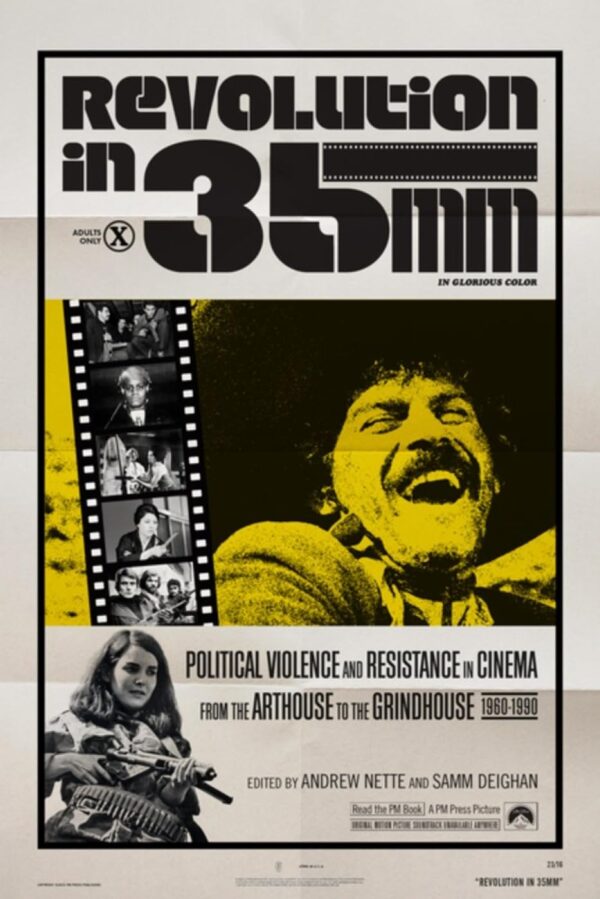
His 2025 book Revolution in 35mm: Political Violence and Resistance in Cinema from the Arthouse to the Grindhouse, 1960–1990 is out via PM Press. We republished the introduction by him and co-author Samm Deighan, »A Cinema of Resistance on the Margins«; Alf Mayer reviewed the book, »Bewaffnete Cinephilie« (Cinephilia under Arms), and Andrew made us a list of his 10 Favorite Films of Political Violence and Revolution.
** **
Rainer Nitsche: Unter der Lupe
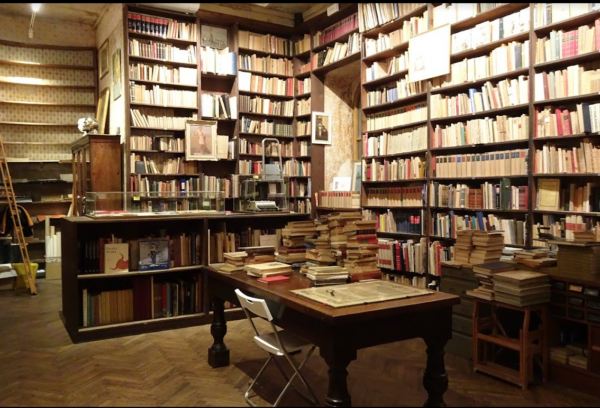
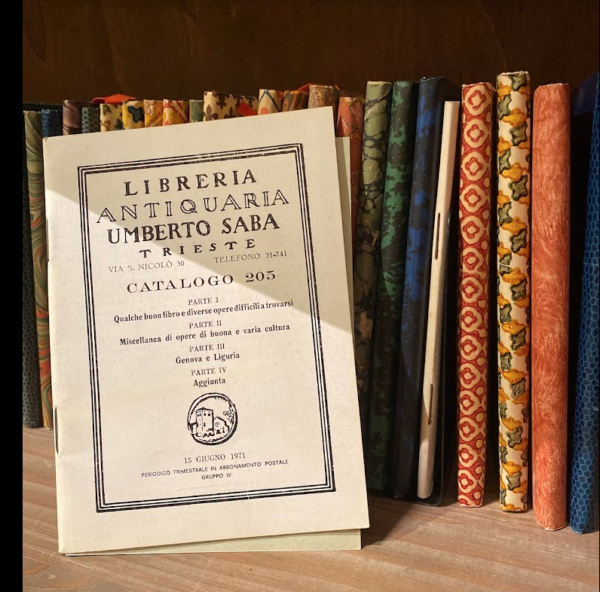
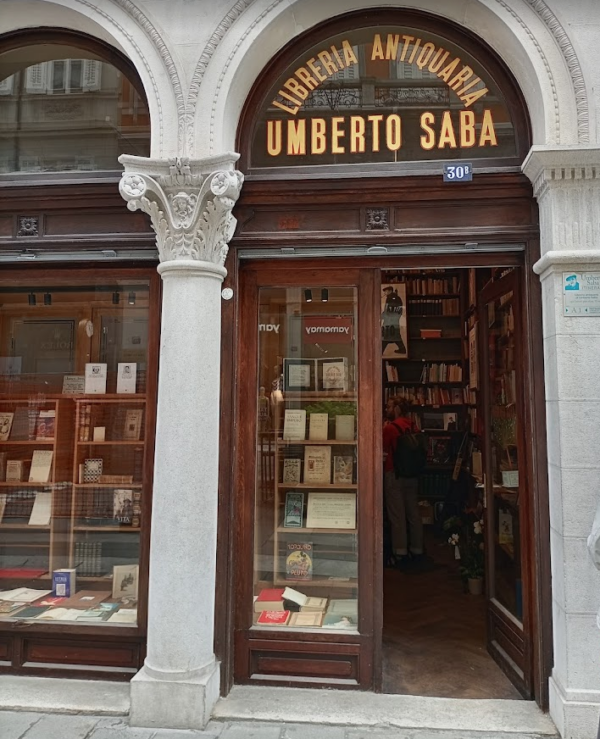
Triest, Oktober 2025. Eine wunderschöne, geschichtsträchtige Stadt. Überall stehen lebensgroße Bronzen von Dichtern, James Joyce, Hermann Hesse, Italo Svevo, allerdings, sitzend, leider auch Gabriele d’Annunzio, und eben Umberto Saba, mit Stock und flotter Schirmmütze, in Sichtweite zu dem von ihm gegründeten und nach ihm benannten Antiquariat. Das war das Ziel – in Erwartung einer großen deutschsprachigen Abteilung, in der vielleicht deutsche Erstdrücke von Musil, vielleicht auch Hofmannsthal oder Werfel zu entdecken wären. Es gab einen freundlichen Antiquar, es gab zwei Regale vollgestopft mit deutschen Titeln – alles medizinische, juristische oder ökonomische Abhandlungen von Wissenschaftlern, die zur K.u.K. – Zeit in Triest gelehrt hatten.

Einzige Ausnahme: Rainer Maria Rilke, Der ausgewählten Gedichte erster Teil, Insel Verlag, 311. bis 329. Tausend, Wiesbaden 1953. Herausgegeben von Katharina Kippenberg, der Gattin von Anton Kippenberg, zeitweise Insel-Verlegerin und großzügige Förderin von Rainer Maria Rilke, die ihn oft auch in ihr Anwesen in Leipzig-Gohlis einlud und mit erlesenen Speisen verwöhnte – bis zu dem einen Abend, als Rehrücken serviert wurde und der Dichter auf die Frage, wie es ihm denn schmecke, antwortete: »Das Tier schmeckt nach der Armut des Waldes.« Wenn er wenigstens »Anmut« gesagt hätte. aber nein, und so war es das letzte Mal, dass der Dichter bei Kippenbergs zu einem Essen geladen wurde.
Also dann eben Rilke, den schmalen Band für 14 € in eine wunderschöne Tüte eingepackt, begleitet von einem mitleidigem Nicken des kundigen Antiquars, und dann abends aufgeblättert. Extrem kleine Schrift, ein Durcheinander von Sonetten, Klageliedern, Weiheliedern und natürlich die bekannten wie »Der Panther«, » Herbsttag« usw.. Mich interessierten aber eher die mir unbekannten Gedichte, die ich aber wegen der Schriftgröße nur mittels einer Lupe lesen bzw. entziffern konnte.
Es war eine Erleuchtung. Die Lupe zwang einen, Wort für Wort immer für sich und separat nacheinander zu lesen, das verbale Webmuster ganz nahe zu verfolgen und dann fast schmerzlich zu erkennen, mit wie viel schwulstiger Inbrunst, kunsthandwerklicher Schläue und schlampiger Technik dieser Dichter arbeitete. Die Lupe machte aus des Kaisers Prachtkleidern eine Vogelscheuche. Und ich nahm mir vor (und empfehle es hiermit allen als guten Vorsatz fürs kommende Jahr), in Zukunft Gedichte nur noch mit der Lupe zu lesen – ein Härtetest, bei dem wirklich gute Gedichte nur gewinnen können.
Rainer Nitsche ist Verleger des Transit Verlags, Berlin.
** **
Andrea Noack: Augenöffnend!
Natürlich sind auch dieses Jahr wieder unglaublich viele gute Bücher erschienen, angefangen mit den sensationellen Kriminalromanen bei Suhrkamp, herausgegeben von Thomas Wörtche, oder „Kälter“ von Andreas Pflüger, das soeben mit dem Deutschen Krimipreis ausgezeichnet wurde. Auch was das Verständnis der Entwicklungen in unserer Gesellschaft und der ganzen Menschheit angeht, gab es ein paar Meilensteine, allen voran schon 2024 „Nexus“ von Yuval Noah Harari.
Unmöglich, alle zu nennen, auch wenn das CulturMag es in seinem Jahresrückblick sicher auch dieses Jahr wieder versucht.
Aber das wichtigste Buch von allen ist meiner Meinung nach „Krieg der Medien. Dark Tech und Populisten übernehmen die Macht“ von Martin Andree. Augenöffnend! Nach der Lektüre hat man verstanden und durchdrungen, warum die Rechte weltweit auf dem Vormarsch ist und warum die Digitalkonzerne unser Untergang sind, auch wenn wir sie derzeit noch brauchen, weil sie uns abhängig gemacht haben. Auf das Buch aufmerksam geworden bin ich durch den Podcast „Neu denken“, gehostet von Maja Göpel.
Wenn ich schon dabei bin: Ein sehr wichtiges Buch habe ich vergessen zu erwähnen. Es ist ähnlich augenöffnend für das Thema Klimawandel und warum hier eigentlich nicht mehr passiert, welche Mafia dahintersteckt und wer all die Desinformationskampagenen bezahlt: „Männer, die die Welt verbrennen. Der entscheidende Kampf um die Zukunft der Menschheit“ von Christian Stöcker. (Ullstein).






Andrea Noack, Kommunikationsfachfrau von der Pike auf, lebt in Hamburg. Ihr Buch „Die Bestie schläft“ hier bei uns besprochen. Ihre Texte bei uns hier.
Ursprünglich Germanistin, war Andrea Noack 25 Jahre in internationalen Werbeagenturen als Texterin und Creative Director für große Marken und Kunden erfolgreich. Im Jahr 2010 erkannte sie, dass sie an Alkoholabhängigkeit erkrankt war. Daraufhin machte sie einen qualifizierten Entzug und eine vier Monate lange Entwöhnungstherapie (Reha). Seither lebt sie abstinent, unter anderem durch die Unterstützung einer Selbsthilfegruppe für Alkoholiker:innen, die sie mehr als zehn Jahre lang einmal wöchentlich besuchte. Heute ist es ihre Mission, so vielen Menschen wie möglich dabei zu helfen, ihre Süchte zu überwinden.
Dazu hat sie die Initiative Soberland gegründet, dort gibt es digitale Selbsthilfegruppen, Coaching und Online-Kurse. Informationen hier. Hier geht es zum Blog von Soberland, gerade startet dort ein Aufruf zum Dry January.
** **