


Peter Blauner: 1975 Movies – A Consumer’s Guide
Sometimes films are better than you remember them. Sometimes they are not.
There’s a temptation to say that everything sucks now, and everything was better before.
But in some cases, it’s true. At least in art. Or maybe you can just say that some years are better than others. The year 1939 produced the following novels: The Grapes of Wrath by John Steinbeck, The Big Sleep by Raymond Chandler, The Day of the Locust by Nathaniel West, Ask The Dust by John Fante, Good Morning Midnight by Jean Rhys, Pale Horse, Pale Rider by Jean Rhys, Finnegans Wake by James Joyce, Johnny Got His Gun by Dalton Trumbo, and the criminally underrated Christ in Concrete by Pietro di Donato. Native Son by Richard Wright came out the very next year. By contrast, when you look at any given year in the late 1960s, there are decidedly fewer “great novels” that everyone remembers, while the rock and roll of those years is still with us.
It’s interesting to consider why these things come in rushes. In 1959, jazz had a bumper crop year with Kind of Blue by Miles Davis, Giant Steps by John Coltrane, Time Out by the Dave Brubeck Quartet, The Shape of Jazz To Come by Ornette Coleman, and Mingus Ah Um by Charles Mingus. But 1968? Not so much.
Maybe it’s that certain art forms possess the right language to speak to a time of change, but then the alignment shifts and a new vocabulary is required.
In any event, we’re looking at the year 1975 in film. I’m going to argue that there’s never been a better twelve-month period for movies – even though there were no films by Scorsese, Coppola, or Bunuel that year.
I want to share my enthusiasm – though I’m open to hearing counterarguments and willing to grant that some of these films may not have dated entirely well. Others are widely acknowledged as landmarks. I was fifteen when they came out and spending my hard-earned shekels as a Good Humor man to buy cheap tickets. But almost every weekend at the movies felt like a mind-blowing adventure. I’d like to share that experience if I can, and maybe offer some suggestions if you’re looking for something to watch. You could do worse than be stuck in this year for a while.
DOG DAY AFTERNOON. For my money, the best Sidney Lumet movie and the best New York City movie ever made. Rambunctious, intense, funny, and weirdly soulful. How the hell did Al Pacino go from playing supremely-controlled Michael Corleone to wild-and-wooly Sonny Wortzik, who tries to rob the First Brooklyn Savings Bank to pay for his lover’s sex-change operation? John Cazale, playing his rifle-toting accomplice Sal, was never better, and that’s really saying something since Cazale had just played Fredo in the Godfathers. Watch for the peak moment when he announces the country he most wants to visit is Wyoming.
One thing I love about these films is that none of the protagonists have qualities that would be recognized as “likeable” or “relatable” by a digital algorithm. We care about these people because we recognize them as wounded human animals trying to survive in desperate circumstances.
DERSU UZALA. I’m mentioning this one high up, because not that many people have seen it, or even heard of it. But it’s one of Akira Kurosawa’s best movies. It’s also his only non-Japanese language production. The story comes from the true-life tale of how a nomadic hunter in the remote Far East befriends and guides a Russian expeditionary crew through an epic, death-defying journey in the early 20th century. It won the Academy Award for best foreign film the next year, and it’s well worth your time to seek it out.
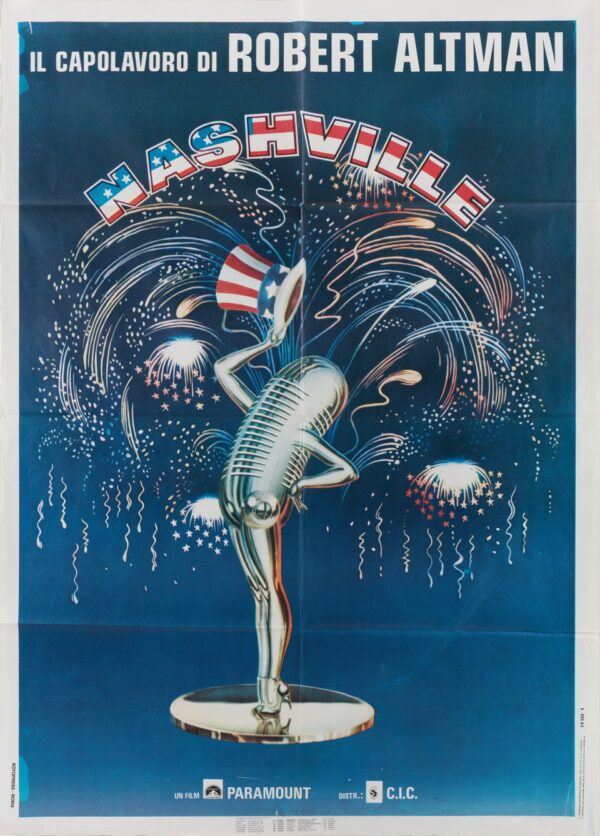
NASHVILLE. Yeah, it’s been fifty years since Robert Altman unfurled this sprawling and acerbic canvas of Americana. In the opening montage, country star Haven Hamilton (played by former Laugh-In stalwart Henry Gibson) sings a defensively patriotic anthem that goes “We must doing something right to last 200 years.” It would sound exactly like a parody of the similarly-defensive MAGA anthem “God Bless The U.S.A.” (“where at least I know I’m free!”), except Nashville was made decades before. At times, the film verges on caricature when it goes after country musicians and their fans. At other, Altman’s satire seems too gentle, considering where we’ve ended up. Hal Philip Walker, the fake presidential candidate who weaves through the assorted narratives, wouldn’t stand a snowflake’s chance of getting any attention in the world of Trump and social media. But Lily Tomlin and Shelly Duvall are great, and so is Gwen Welles as the wannabe starlet who gets duped into stripping for a bunch for loutish business assholes. Keith Carradine is perfect as the guitar-strumming Lothario who women in the 1970s kept falling for (inexplicably!). But the real find is Ronnee Blakley, who acts and sings her ass off as a deranged Loretta Lynn-type superstar who gets caught up in the tragic awfulness of American politics.
SHAMPOO. The epitome of a certain period in Hollywood filmmaking when Warren Beatty could basically get away with anything. Screenplay by Robert Towne, coming off Chinatown, directed by Hal Ashby. It was conceived of as a 1970s version of a 17th century Restoration comedy about promiscuous libertine who bedhops with other men’s wives. The update makes Beatty a heterosexual hairdresser in Beverly Hills, and it’s all open field running for him. Julie Christie, Goldie Hawn, Lee Grant, and young Carrie Fisher fall prey to his charms and what he can do for their hair. But the film is infused with a kind of cynical political consciousness that gives it more of a sting and an undertone of sadness than a typical sex comedy.
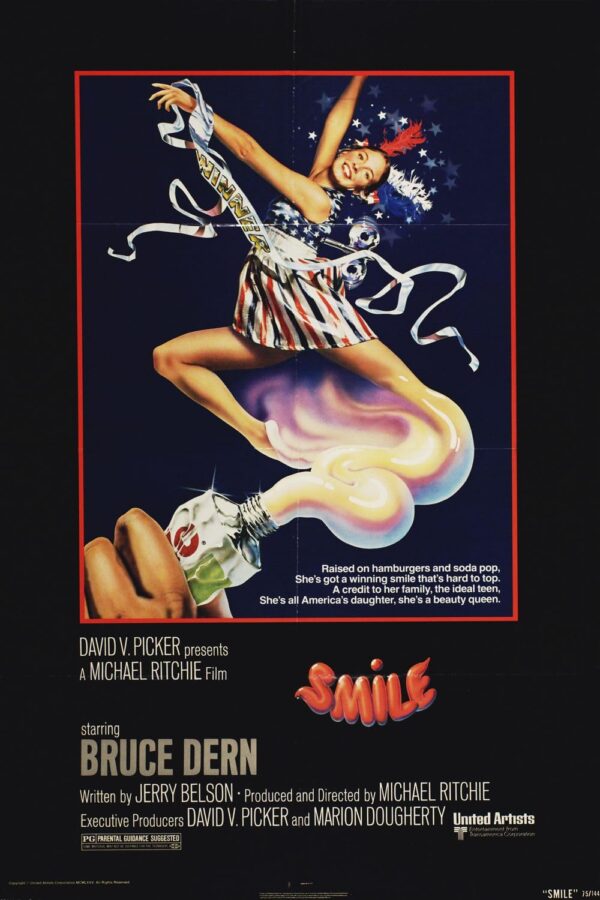
SMILE. Somewhere between Nashville and Shampoo lies this little gem, frequently overlooked in period surveys. The subject is the Young American Miss Beauty Pageant in Santa Rosa. And like Nashville and Shampoo, there are moments – in retrospect – when the tone seems a little too Hollywood-condescending. One of the girls in the talent competition demonstrates how to pack a suitcase (the director Michael Ritchie saw this in real life, but still…) But it’s also funny as hell and features Bruce Dern in a rare comic turn as one of the pageant judges. And any movie cast that has choreographer Michael Kidd and Barbara Feldon – aka Agent 99 from Get Smart – is ahead on my ballot.
THE STORY OF ADELE H. A different kind of women’s story, adapted by Francois Truffaut from the diaries of Victor Hugo’s daughter. Ever fallen in love with someone you shouldn’t fallen in love with? This movie’s for you. It tells the story of a magnificent obsession as Adele pursues the object of her affection – another Lothario, this one a British soldier – over the edge and down into the abyss of madness. Isabel Adjani, then 20, goes “full retard” in her performance and holds nothing back. It’s hard to believe there was a time when even casual American moviegoers would know who Bergman, Fellini, and Truffaut were, but we were better off for it.
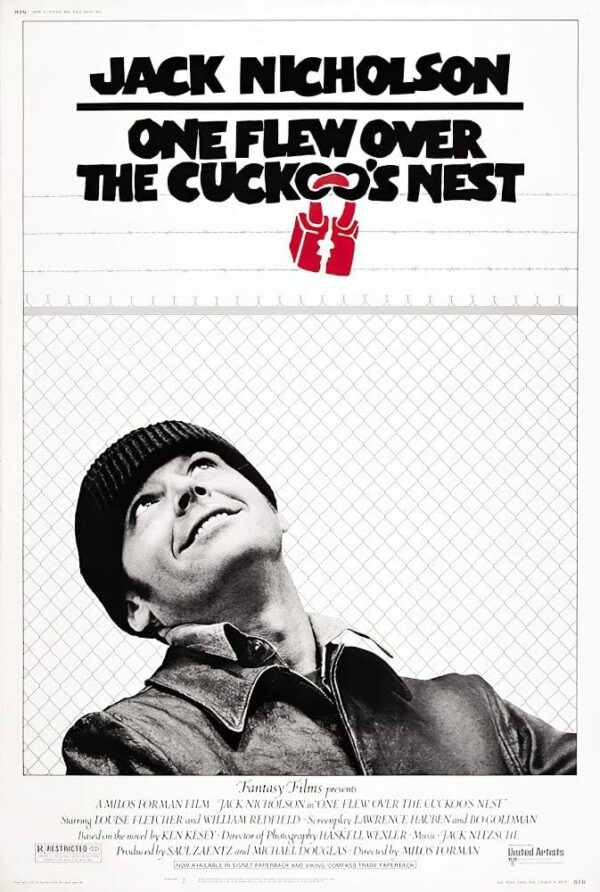
ONE FLEW THE CUCKOO’S NEST. Like Pacino and DeNiro, Jack Nicholson went on an incredible acting tear for the first half of the 70s: EASY RIDER, FIVE EASY PIECES, KING OF MARVIN GARDENS, THE LAST DETAIL, CHINATOWN and this. He plays the rebel to end all rebels, trying to overthrow the tyranny of Nurse Ratched at the mental institution where he’s an inmate. Like some of the other films mentioned here, time has revealed some serious flaws. Especially in the way women are treated – Randle McMurphy has been locked up for statutory rape of a fifteen-year-old, who he believed was eighteen. And the whole 60-ish idea that crazy people are the free and sane ones has dated badly. But it’s still a very entertaining flick and you can see why it won the Academy Award for Best Picture.
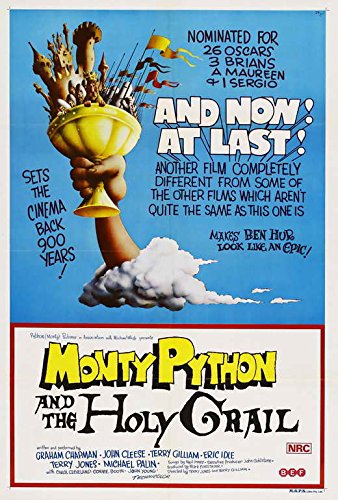
MONTY PYTHON AND THE HOLY GRAIL. Yeah, this came out the same year. The Black Knight who keeps wanting to fight after all his limbs are hacked off. Brave Sir Robin runs away. That rabbit is dynamite!
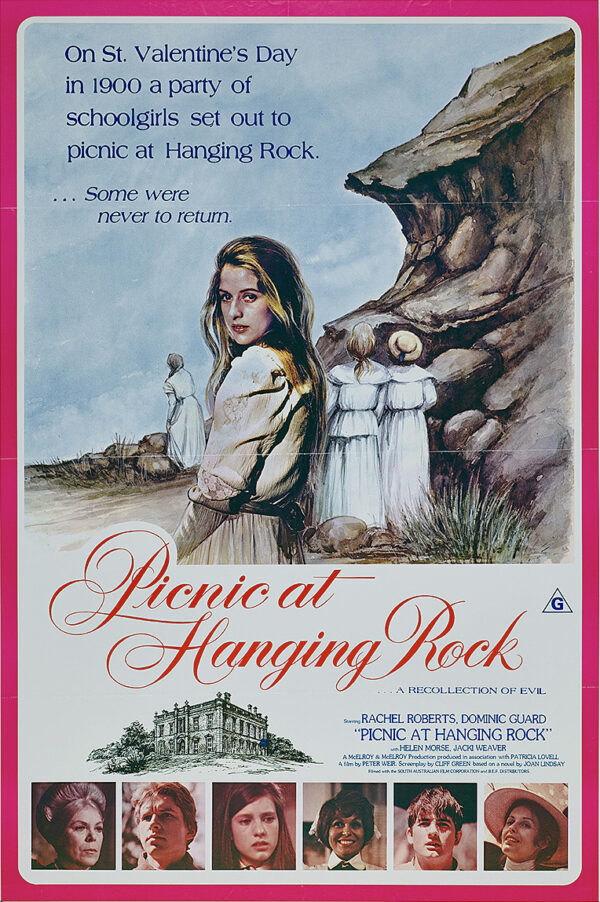
PICNIC AT HANGING ROCK. A half-century later and we still don’t know where those girls went. An early Peter Weir film that I haven’t seen since it opened, but the gauzy memory of it still haunts me.
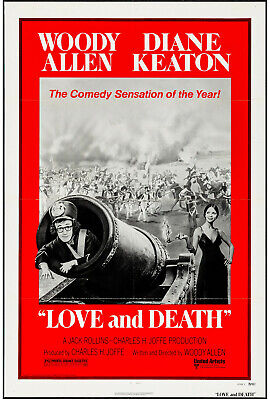
LOVE AND DEATH. Woody Allen doesn’t get a lot of love these days. And let’s face it: the more you know, the harder he is to love. But I remember this as one of his funnier films and definitely one of the last he made before he started taking himself very seriously as auteur. It’s basically a series of riffs on 19th century Russian literature, many of them truly inspired. Sonja marries a herring merchant who is more interested in herring than his wife – even though the wife is played by Diane Keaton. A countess tells Allen’s character he’s the greatest lover she’s ever had, and he humbly parries, “I practice a lot when I’m alone.” And best of all, the Red Army gets “a hygiene play,” warning them of the dangers of dallying with professional women. “Comrade, you have a social disease!”
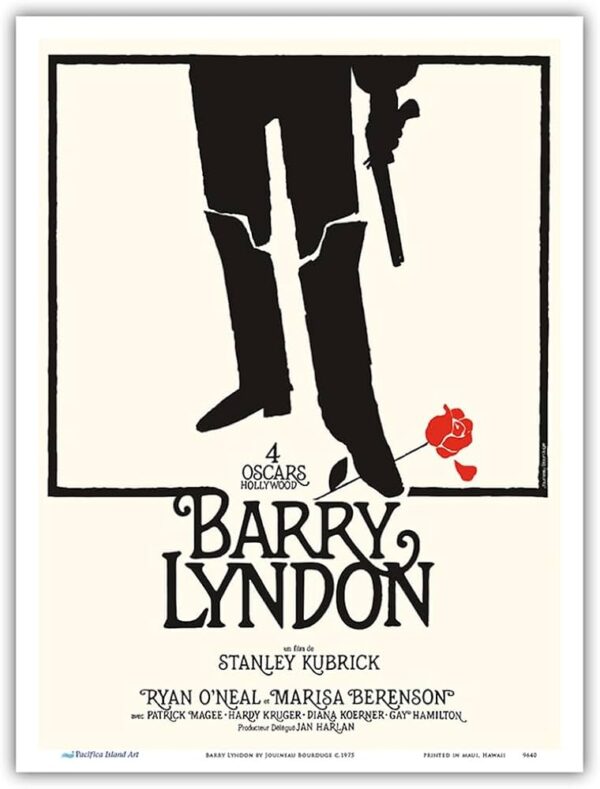
BARRY LYNDON. I found this a little glacial in the wake of earlier, more obviously-revolutionary Kubrick films like Dr. STRANGELOVE, 2001, and A CLOCKWORK ORANGE. But you know what? Glaciers seem pretty cool nowadays. And while the ice has been shrinking, this film’s reputation has been growing. I’m not the world’s biggest Ryan O’Neal fan, but he’s perfectly fine here as the faithless rogue protagonist from Thackeray’s 1844 novel. Some 70s movies that used to seem gritty and real appear forced and mannered now. Whereas Kubrick’s film, which is largely about manners, seems more painterly, complex, and thoughtful.
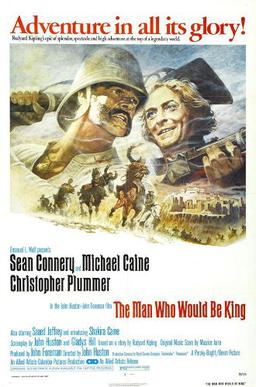
THE MAN WHO WOULD BE KING. Based on another 19th century narrative, an 1888 novella by Rudyard Kipling. Starring Sean Connery and Michael Caine, directed by John Huston. When it came out, I thought it was a little square, compared to hipper films pitched to the youth market. Now the classic design looks pretty damn durable. The basic story is simple: A pair of British Army officers-turned-grifters find themselves adrift near the Khyber Pass, and decide to scam the natives by passing themselves off as potentates and even deities. The plan does not go well. The film not only stands up as one of Huston’s best, but the theme of Western exploiters also getting their comeuppance in the mountain region has dated better than, say, the politics of Cuckoo’s Nest.
JAWS. Really the beginning of the end for maverick moviemaking, because it was the blockbuster that began the blockbuster era. But unlike many of the popular studio films that followed, it’s a smart and brutally effective thrill machine. And still has traces of the quirkier, more character-driven films like Steven Spielberg’s own SUGARLAND EXPRESS. Roy Scheider, Richard Dreyfuss, and Robert Shaw are all very good. Shaw should have been a happy man that year. A film was adapted from a play he wrote, THE MAN IN THE GLASS BOOTH, inspired by the Adolf Eichmann case. But being a drinker and a hot head, he demanded his name be left out of the credits because he felt the producers were not honoring his intentions. When he saw the film and realized it came out pretty well, he tried to get his name put back on. But it was too late. And then the shark got him.
THE ROCKY HORROR PICTURE SHOW. If this is your kind of thing, then this is really your kind of thing. And even if it isn’t, it’s hard to resist the singing, dancing Midnight Show silliness of the enterprise. And who doesn’t like a little Meatloaf once in a while?
JEANNE DIELMAN, 23 QUAI DU COMMERCE, 1080 BRUXELLES. A three and a half hour slice of an ordinary woman’s life. Sight and Sound named it as the greatest film of all time. I must admit that I don’t really get it. But maybe, someday, I will.
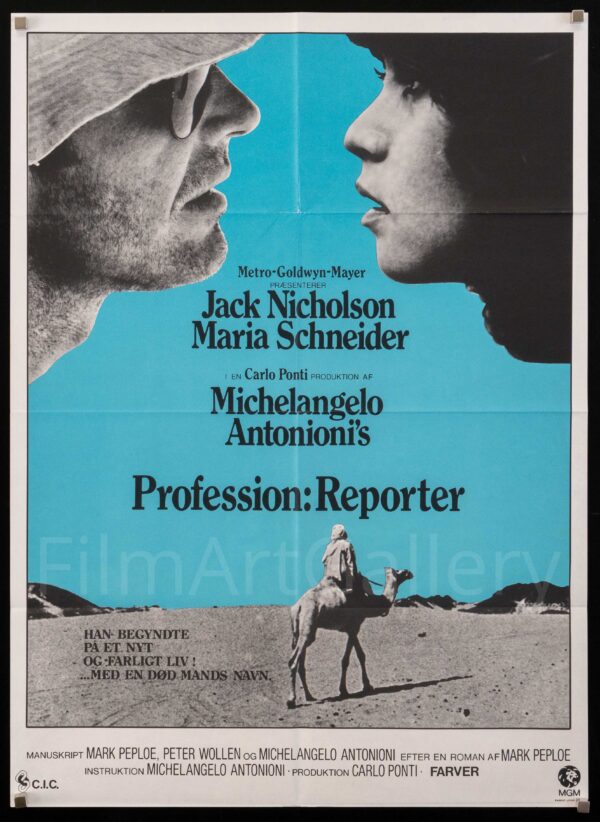
THE PASSENGER. Another Jack Nicholson film, but it could not be more different from Cuckoo’s Nest. It’s quiet, hypnotic and mysterious. The story of a burnt-out journalist in Chad who assumes a dead man’s identity to escape the cul de sac of his life and then realizes he’s wound up impersonating an arms dealer with connections to a deadly civil war. It’s not a conventional suspense movie at all; it couldn’t be since it was made by Michelangelo Antonioni, the master of slow takes and modern alienation. Guy Ritchie fans will not be enthralled. But it’s far tighter and more accessible than earlier Antonioni films, and if you’re willing to give yourself over to a strange drive through the desert, you will be mesmerized. With Maria Schneider.
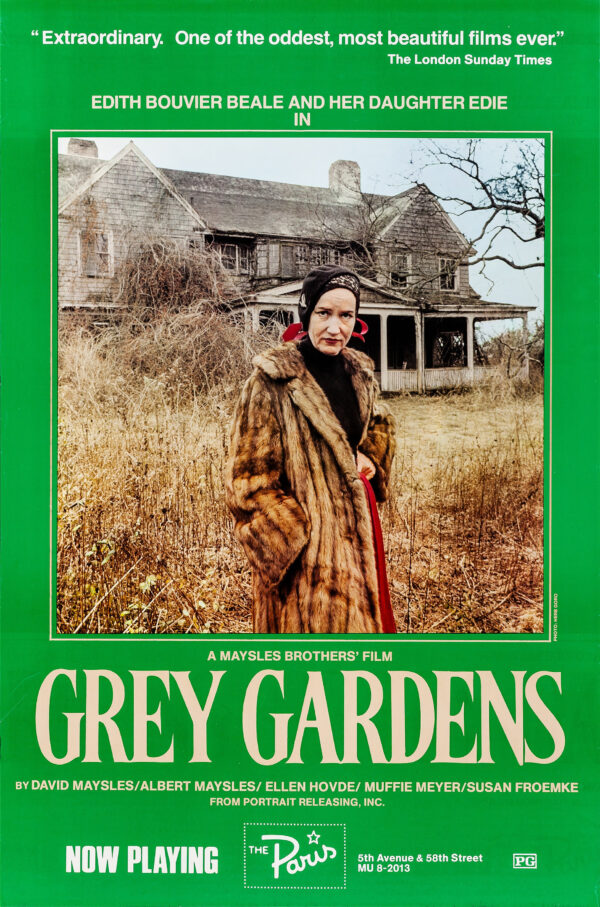
GREY GARDENS. A smart reader alerted me that I omitted this terrific and eerie documentary by the Maysles brothers about the two misfit cousins of Jacqueline Onassis, living in ruined splendor on Long Island.
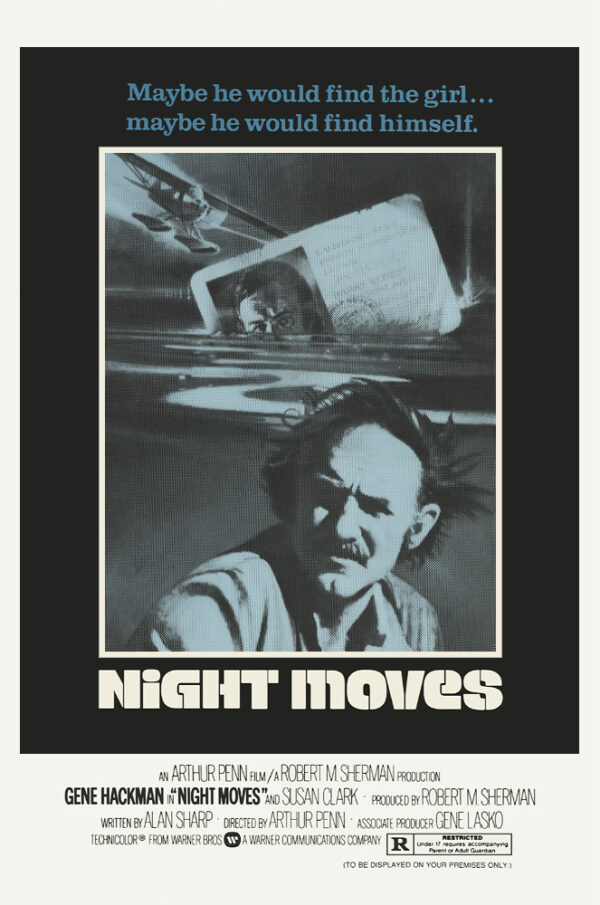
NIGHT MOVES. A moody little noir with Gene Hackman in his glory years, as a football star turned PI.
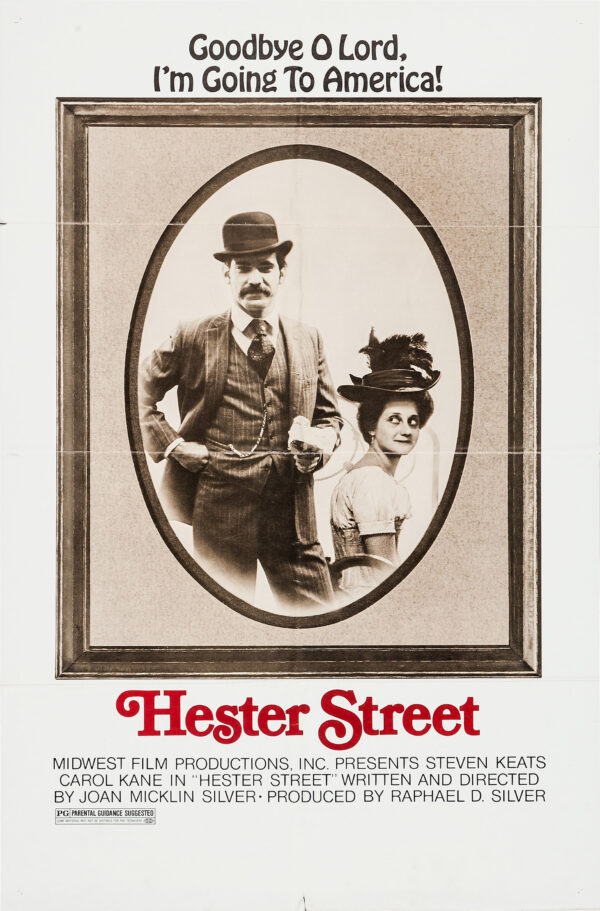
HESTER STREET. In its restrained way, as groundbreaking as any of the other movies mentioned here. Nohttps://youtu.be/mdlLWziBggMt only because it was directed by a woman – Joan Micklin Silver – but because it’s an unusual depiction of the early 20th century immigrant experience and marriage, through the eyes of a neglected wife (played by Carol Kane). Photographed in beautiful black-and-white.
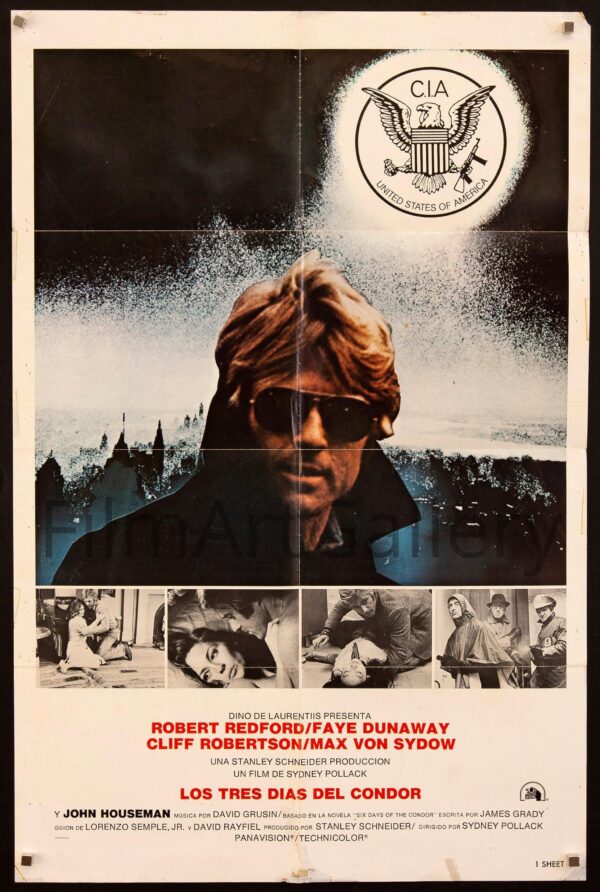
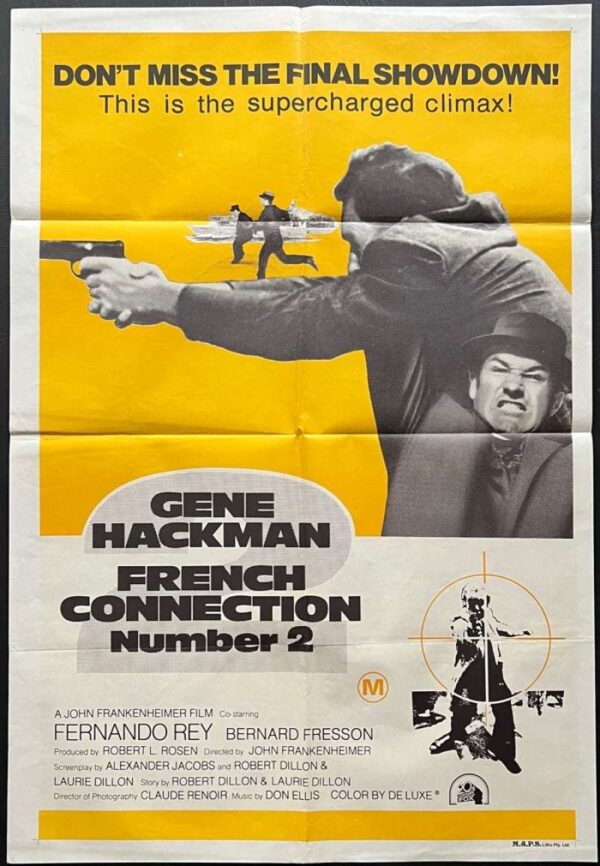
Honorable mentions: The original version of THE STEPFORD WIVES, FRENCH CONNECTION II, HEARTS OF THE WEST, THREE DAYS OF THE CONDOR, LET’S DO IT AGAIN, THE WRONG MOVE, RANCHO DELUXE, 92 IN THE SHADE, and A BOY AND HIS DOG.
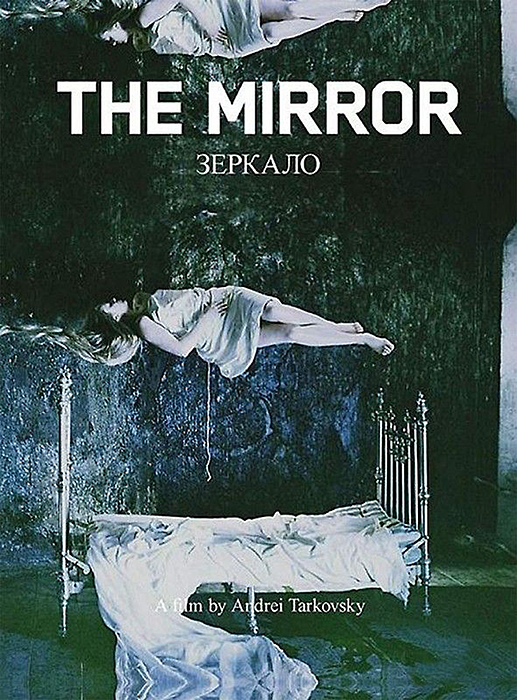
A film called MIRROR by Andrei Tarkovsky was also released that year. But I haven’t seen that one myself. Yet.