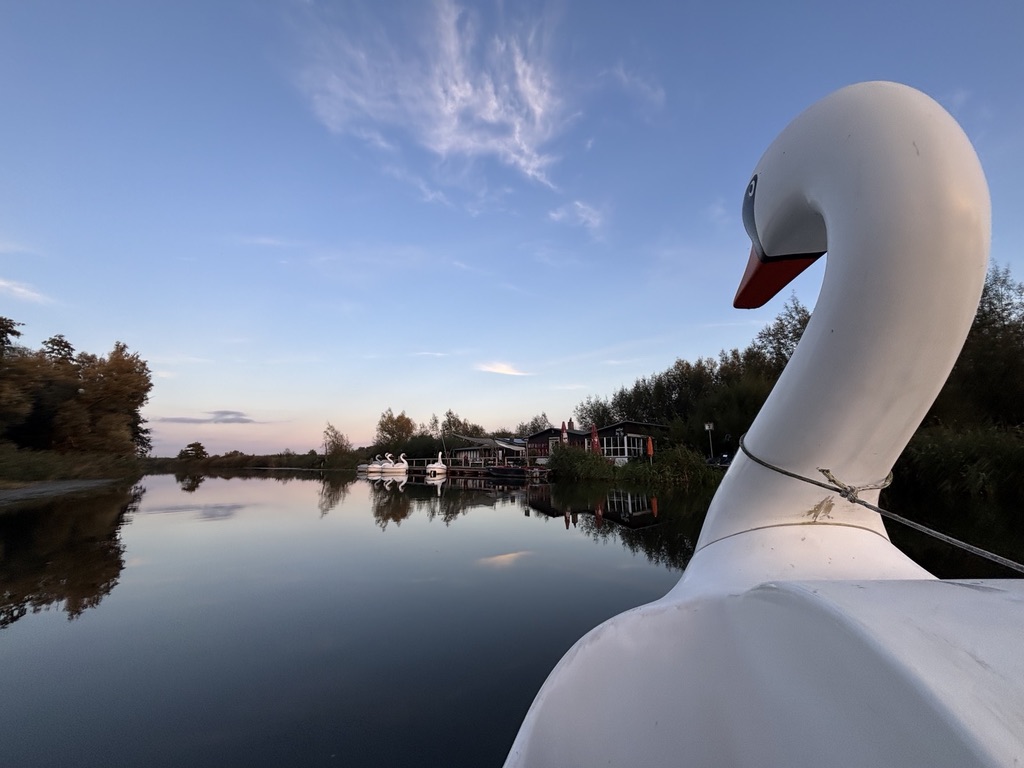
Adrian Hyland: Gob-smacked by the Master
The past year has been, for me, the usual whirlwind of reading, from Homer to Herron, from Paul Celan to Ilhan Pappe, a cornucopia of Marlowes, from Christopher to Philip. Doing some renovations on my home, I resurrected a few battered old friends from a tea-chest in the garden shed: Georg Trakl, Marina Tsvetaeva, the Australian poet, Greg Day. What the termites and silverfish had left was a joy to read.
I’m not sure whether it’s my age or my reaction to the enervating strictures of the digital world, but these days I have little patience for mediocre writing. If you haven’t grabbed me by the second page, forget it. If you can’t come up with an original metaphor, or at least witticism, stop wasting my time and get back to journalism or the class room.
In this frame of mind, I found myself turning, for much of 2025, to the writer who is, for me, the master: Charles Dickens. I’d read him extensively as a teenager, but hadn’t returned to him in decades.
What I encountered there left me gob-smacked. I can only pray that a scintilla of his genius will land upon on my own writing.
Sometimes the plots were predicable, the characters melodramatic, the endings sentimental.
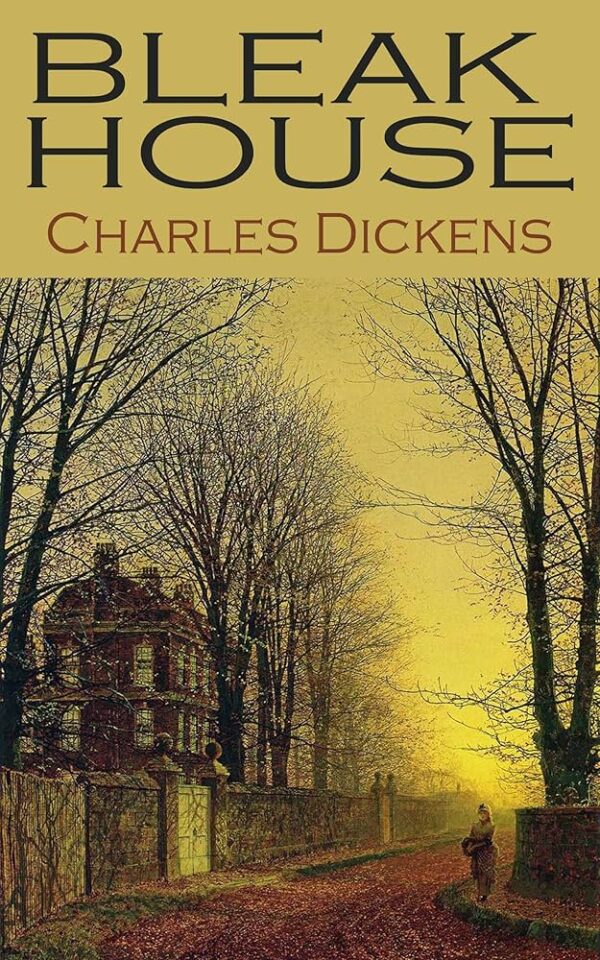
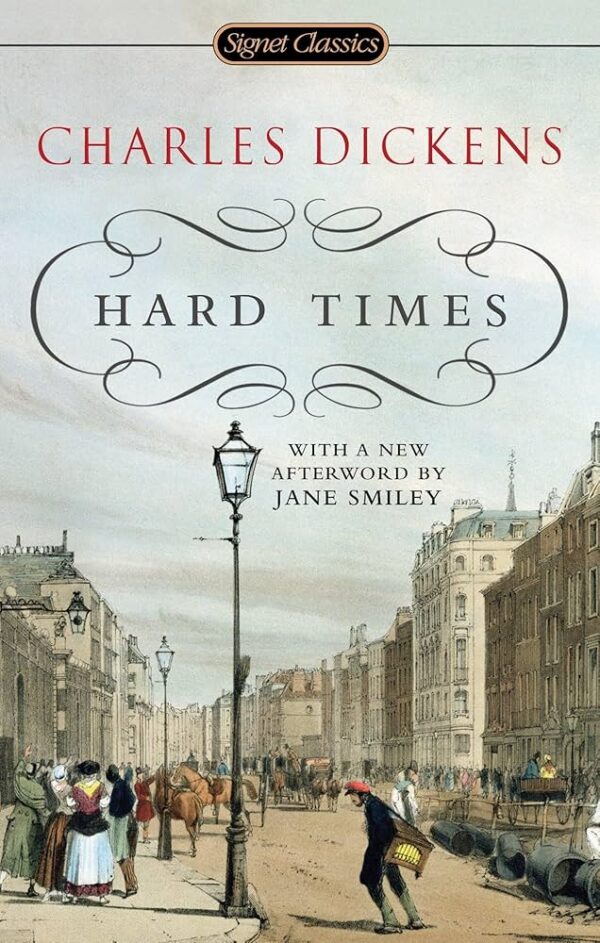
But the language! It’s just extraordinary. In particular, I found the novels traditionally regarded as more challenging – Bleak House, Hard Times, Our Mutual Friend – inspirational. On every other page I’d come across an interchange or metaphor that stopped me in my tracks. He makes unexpected observations, quicksilver connections, synaesthetic images. He can uncover the humour in a dog’s snarl, the pathos in a fading lantern, the glimmer in a beard.
Don’t take my word for it. Let the master speak for himself.
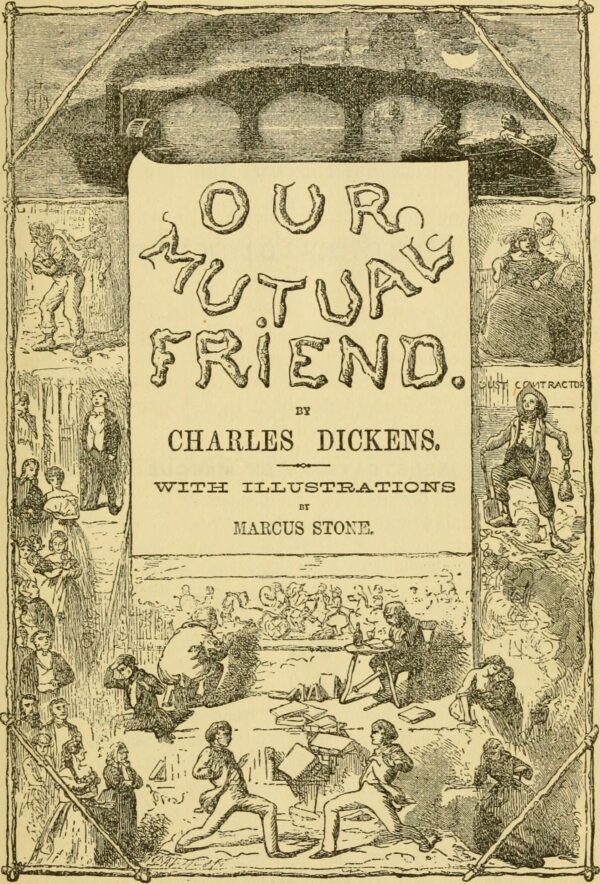
Here’s a quote from Our Mutual Friend. In this scene, the narrator enters a poor house and comes across a boy whose name turns out to be ‘Sloppy’: It was perceived to be a small home with a large mangle in it, at the handle of which machine stood a very long boy, with a very little head, and an open mouth of disproportionate capacity that seemed to assist his eyes in staring at the visitors’.
Or again, consider this portrait of a complicated domestic situation: ‘…Fledgeby’s father laid hold of the cash for his separate use and benefit. This led to subjective differences of opinion, not to say objective interchanges of boot jacks, backgammon boards and other such domestic missiles, between Fledgeby’s father and Fledgeby’s mother.
And here is a description of the unfortunate Fledgeby himself, a passage which could have come straight from Raymond Chandler: ‘He was white lipped, wild-eyed, draggle-haired, seamed with jealousy and anger.’
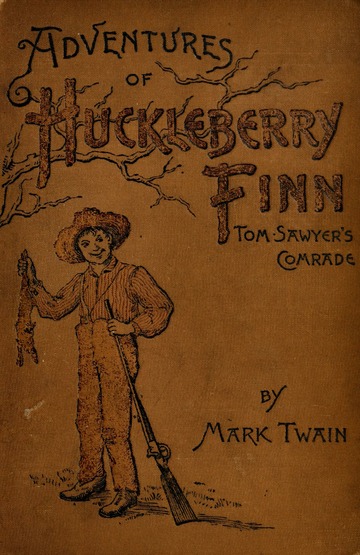
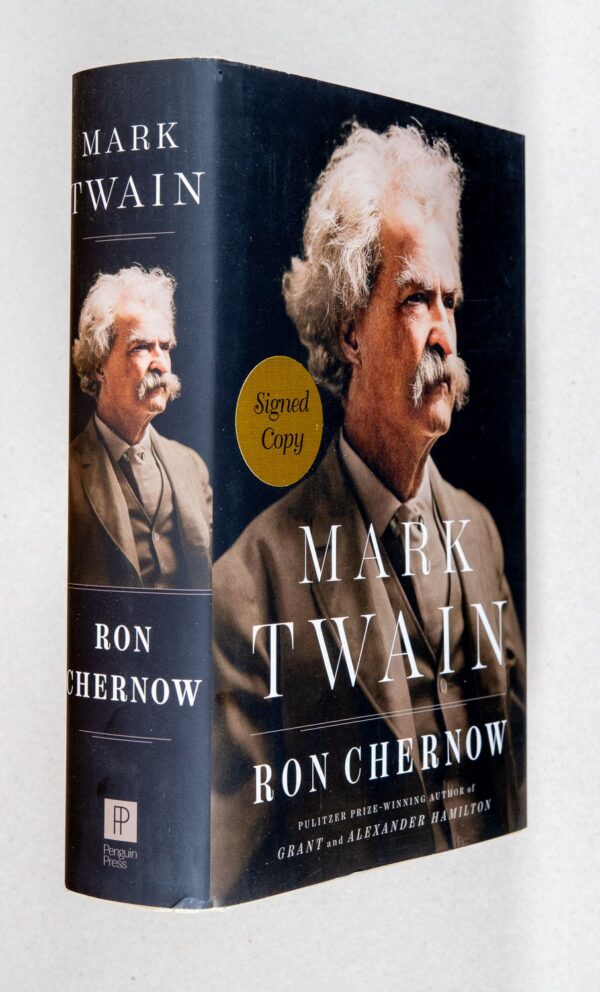
I’ve also been enjoying Mark Twain. Huckleberry Finn wasn’t quite the masterpiece I remembered – it seemed a much narrower book than the one I read when I was fifteen – but some of the descriptions made me laugh out loud. For example, the description of a local dignitary: ‘Sometimes Colonel Grangerford smiled, and it was good to see; but when he straightened himself up like a liberty pole , and the lightning begun to flicker out from under his eyebrows, you wanted to climb a tree first and find out what the matter was afterwards.’
I just finished a biography of Twain, by Ron Chernow, and it seems that he (Twain) aspired to be known as more than a humourist. He was, of course, but sometimes I think there is no greater achievement than being a successful wit.
Apropos of which….Christmas is just about to descend upon us, with all its blather and commerce, so let’s finish with one of my favourite lyrics, from The Pogues’ A Fairytale in New York, which is playing in the background as I write.
Drunk: ‘I could have been someone.‘
Girlfriend: ‘Well so could anyone.’
Cheers.
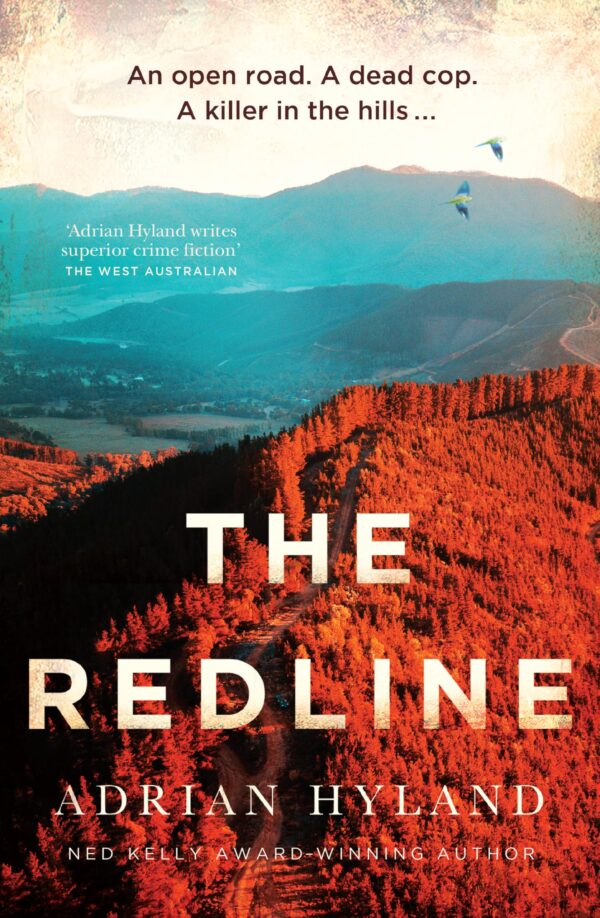


could you please mention that my new novel, The Redline, has just been released?
** **
Roland Keller: Auszeit-Krimis
Im vergangenen Jahr waren wir in Mendoza, Argentinien (knapp vor Chile), wo Weihnachten weniger los ist: nur ein Feiertag. Guten Malbec von den dortigen Weingütern getrunken. Schöner kann Weihnachten nicht sein. Danach Silvester in einem Flugzeug Richtung Costa Rica verbracht. Im Vorjahr am 24. 12. abends auch im Flugzeug nach Hause, was Weihnachten angenehm verkürzt hat.
Seither haben wir uns geschworen, immer irgendwohin zu flüchten, wo Weihnachten nicht zum Fluch wird. Hat in diesem Jahr leider nicht geklappt, haben es aber dennoch hinter uns gebracht.
Du hattest zu einem Text für die Jahresendausgabe eingeladen. Den habe ich nicht geschafft. Wollte darin klagen, dass ich es in diesem Jahr, welch Strafe, nicht in die Marken geschafft habe, das erste Mal seit langer Zeit. Wollte von den Segnungen der Küche dort schwärmen, den Trattorien in den Städtchen und Dörfern auf den Hügeln und an Meer, in denen es überall wunderbare Entdeckungen gibt, Qualität, Service und Preise, von denen man hier nur schwärmt. Meeresgetier alles Art und Zubereitung, Conero- und Piceno-Weine, Perlhühner und das Restaurant, das nur Gerichte mit Artischocken hat …
Zum Ausgleich schleppte mich mein italienischer Freund aus den Marken bei seinem München-Trip ins Eataly, weil sich Italiener wohl auch in München heimisch fühlen müssen, natürlich um Kraft zu tanken, ganz schnell wieder über den Brenner zu flüchten. Erst wenn es wieder runter in die Ebene Richtung Verona geht, könne er frei atmen … Soweit zur Sehnsüchten und Verlusten. Und nun zu zwei Krimis.
** **
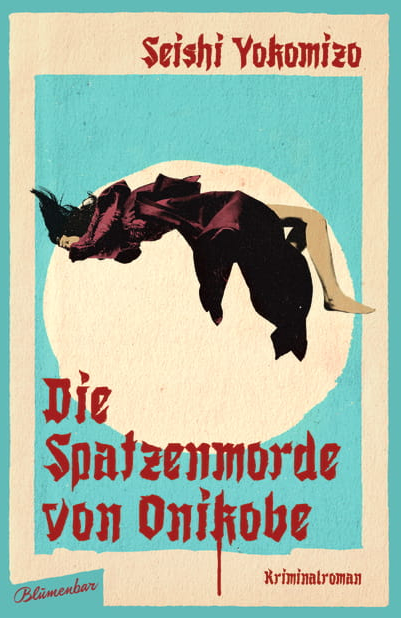
Seishi Yokomizo: Die Spatzenmorde von Onikobe. Aus dem Japanischen von Ursula Gräfe. Blumenbar/ Aufbau Verlag, Berlin 2025. 384 Seiten, Hardcover, 24 Euro.
Thomas Michael Glaw: Die Hexen vom Tüllingen. Mediathoughts Verlag, Taufkirchen 2025.. Klappenbroschur, 180 Seiten, 14,50 Euro.
** **
Du willst endlich eine verdiente Auszeit nehmen, freust dich auf Ruhe und Gelassenheit in einem idyllisch gelegenen Dorf. Doch plötzlich ist es aus mit der Idylle: Dunkle Geheimnisse drängen ans Licht und reißen dich mit.
Vielleicht hättest du besser nicht an dem lange Verborgenen gerührt, es in der Dunkelheit belassen. Doch das fällt Ermittlern und Detektiven in ihrer Auszeit schwer, zumal ihre Gene der Neugierde zu stark ausgeprägt sind.
Es sind diese schönen Zufälle, die parallel zwei Auszeit- und Dorfkrimis auf den Schreibtisch flattern lassen, die aus zwei unterschiedlichen Perioden und Ländern stammen, sich in Tiefe, Komplexität und Leichtigkeit unterscheiden, aber eines gemeinsam haben: aktuelle Morde, die weit in eine düstere Vergangenheit weisen.
In „Die Spatzenmorde von Onikobe“ gönnt der bekannte japanische Krimiautor Seishi Yokomizo seinem Meisterdetektiv Kosuke Kindaichi Anfang der 1950er-Jahre Erholung im Schildkrötenbad des abgelegenen Bergdorfs Onikobe. Wer eines der 77 Bücher von Yokomizo (1902–1981) kennt, weiß, dass auch in seinem fünften Buch den Detektiv weniger Erholung erwartet als ein extrem komplexes Rätselspiel, das ihn zwingt, tief in die Vergangenheit der Dorfgemeinschaft zu dringen, um die Wahrheit zu finden.
In der Übersetzung von Ursula Gräfe ist der in den 1970er-Jahren entstandene Krimi jetzt bei Blumenbar/Aufbau Verlage erschienen. Yokomizo macht es seinem Detektiv und dem Leser nicht leicht, sich im komplexen Dorfleben und den Familienverflechtungen von Onikobe zurechtzufinden. Zum Glück gibt es Register, die sowohl bei den zahlreichen Personen als auch bei japanischen Eigenheiten weiterhelfen. Die Gliederung des Krimis folgt einem alten japanischen Temari-Lied, das warnend erzählt, was drei Spatzen zwitschern. Beim ersten Mord wird eine Schlagerberühmtheit in bizarren Pose nahe des Ortes gefunden. Diese Inszenierung des Todes erinnert an einen Mordfall aus den 1930er-Jahren, der nie geklärt wurde und Kindaichi herausfordert, trotz aller Hindernisse die Zusammenhänge zwischen beiden Fällen aufzudecken. Dabei wird man tief in die japanische Lebensart und die Geschichte Japans geführt, samt der dunklen Verstrickungen eines Dorfes, die sich nur allmählich entwirren.
Hinzu kommen interessante Exkurse in die japanische Film- und Kinogeschichte, am Beispiel eines berühmten Kinoerzählers, japanisch Benshi, der nach dem Ende der Stummfilmzeit aus seinem schönen Leben geworfen, sich in das Dorf zurückzieht und mit Betrügereien durchschlägt – und dem eine wichtige Rolle in der Handlung zukommt. Benshis, die es verstanden, Kinobesucher verbal mit ihren Erzählungen, Kommentaren und mimischem Ausdruck zu begeistern, stiegen in Japan oft zu Kulturstars auf. Auch in Deutschland gab es diesen heute vergessenen Beruf. Bernhard Sinkel hat ihnen in seinem Film „Der Kinoerzähler“ von 1993 mit Armin Mueller-Stahl ein Denkmal gesetzt.

Schnitt vom japanischen Bergdorf der 1950er Jahre ins heile südbadische Obstparadies zwischen Freiburg und Lörrach von heute.
Thomas Michael Glaws „Die Hexen vom Tüllinger“ gleicht in der Ausgangssituation dem japanischen Kriminalfall, wobei die Spurensuche nach den Tätern dem entspannungssuchenden Krimileser deutlich mehr entgegenkommt als das kunstvoll und komplex verflochtene Rätselspiel in „Die Spatzenmorde von Onikobe“, das auch zwingt, sich auf eine fremde Kultur einzulassen.
Seine Münchner Hauptkommissarin Jana Vecera ist eine moderne Frau im Hier und Jetzt, die vom Großstadt- und Arbeitsstress auf einem südbadischen Apfelbauhof die verdiente Erholung von Mord und Totschlag sucht. Quasi Idylle mit Familienanschluss und Hund, der sie beim Joggen durch Landschaft und Wald begleitet. Kaum nimmt der Witterung auf, beginnt im Waldboden zu scharren, steht Vecera vor einer Leiche. Nur ungern überlässt sie den Fall dem zuständigen Ermittler allein, zumal sie den für heillos überfordert hält. Die Art der brutalen Entmannung des Toten erinnert an lange zurückliegende Morde, die nie geklärt werden konnten. Die Mordopfer waren ähnlich zugerichtete Nazi-Schergen. Im Dritten Reich waren sie üble Menschenschinder, bereicherten sich und konnten Macht und Reichtum nahtlos ins neue Deutschland herüberretteten. Anscheinend ein Racheakt ihrer Opfer.
Je tiefer sich Vecera in den Fall eingräbt, desto dunklere Schatten fallen auf die heile Dorfwelt. Wie im Titel schon angedeutet, ist die Diskriminierung von Mitbürgerinnen als Hexen, die nicht nach der dörflichen Norm leben, auch heute noch aktuell. Vecera kann und will dies nicht begreifen, zumal das Wissen der Frauen einiges dazu beiträgt, die Geheimnisse der Vergangenheit zu lüften.
Der schreibende Verleger Thomas Michael Glaw bietet Spannung mit Tiefe für eine entspannte Lese-Auszeit, getragen von einer sympathischen Ermittlerin – und zwischen den Zeilen ist der Duft der Äpfel des südbadischen Hofes zu spüren.
** **
Nick Kolakowski: ‘Black Bag’ and More: 2025 in Thrillers
Is it just me, or did 2025 feel like a particularly weak year for movies, especially thrillers? Maybe it’s just a matter of perspective. If you combine movie theaters and streaming networks, there’s more out there than ever before, but that endless tide of movies and TV shows (“content,” in the dull vernacular of executives) forces its own kind of tunnel vision—as more and more screens flash before you, you focus on less and less.
In any case, a handful of the forementioned thrillers did stand out to me in 2025, if only because they showed their respective creators at their best (and weirdest). Here we go:
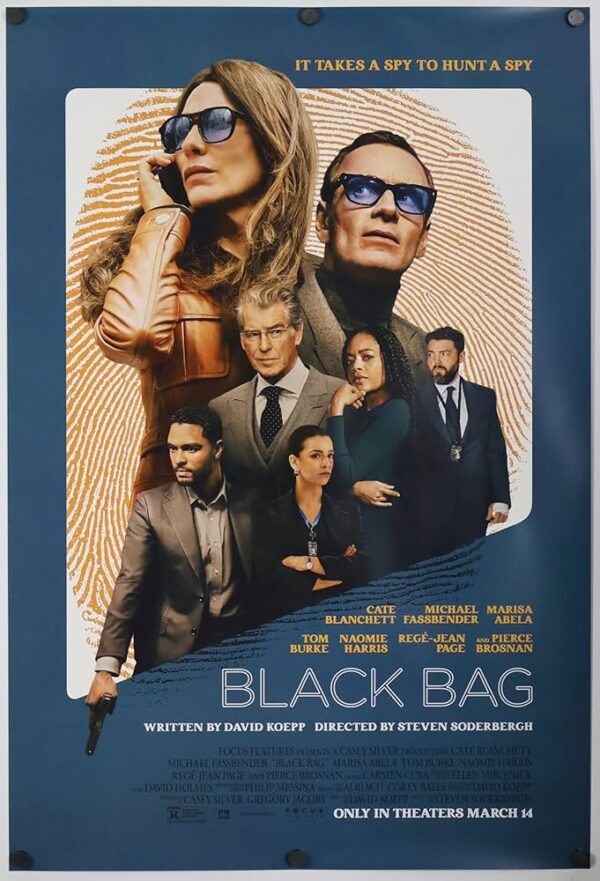
Black Bag
A few years ago, a friend who works as a contractor for the Department of Defense offered up a truism about folks in military intelligence: sooner or later, a significant percentage of them go crazy. When you live in a world of shadows and mirrors, it’s easy to lose sight of any true horizon.
I kept thinking about that as I watched Steven Soderbergh’s “Black Bag,” which stars Cate Blanchett and Michael Fassbender as a chilly couple who work at the National Cyber Security Centre (NCSC) in London, and whose pastimes include casually doping their dinner guests, redirecting satellites to spy on each other, and, eventually, gunfire. Every single one of their fellow intelligence officers is equally eccentric, even as they do their best to appear cool and unflappable. Just the people you want entrusted with systems that could spark an international incident in seconds!
At its best, “Black Bag” plays like a weirdo mashup of John le Carré and Patricia Highsmith, and I mean that as a compliment. Soderbergh is a master of tone, which is how you can have a film that’s simultaneously cold and sleek but also weirdly heartwarming, at least when it comes to marriage.

(When I was an editor at Slashdot, back when it was still an ultra-popular website and not the ghost of its former self, we discovered via a Snowden leak that the UK’s GCHQ—their equivalent of the NSA—had been using our website to intercept and target people, so I’ve had my interactions with brutish British intelligence. I’m not a fan, to put it mildly.)
Sinners
Remove the vampires who dominate its last third, and “Sinners” is an excellent historical crime film (with musical numbers!) about a pair of twins who return to their rural roots to fulfill their dream of opening a juke joint. Thanks to the wonders of special effects, Michael B. Jordan plays both twins, making each distinct with little tics and mannerisms. I found the real-world elements—the insinuation that the brothers ripped off Capone’s mafia back in Chicago, and the looming threat of the local KKK—far more compelling than the supernatural ones, but the script balances both nicely.
Plus, Spotify tells me the “Sinners” soundtrack was the album I listened to the most in 2025. It’s a collection of spooky blues by Ludwig Goransson, very atmospheric, a fitting accompaniment for late-night writing session.
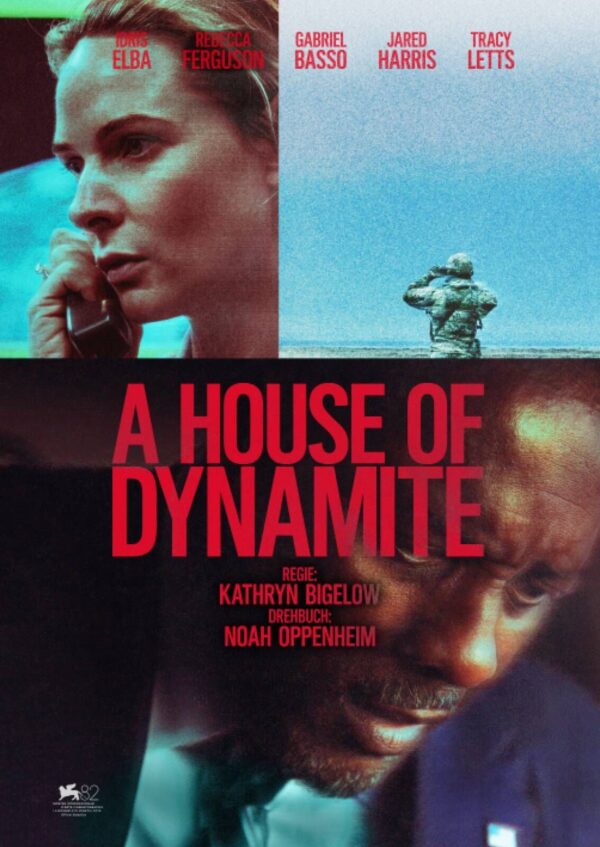
House of Dynamite
Kathryn Bigelow’s “House of Dynamite” isn’t a direct adaptation of “Nuclear War: A Scenario,” but it details a similar event, jumping “Rashomon”-style between characters and timelines as a mysterious missile dives closer and closer to Chicago. Like Bigelow’s “Hurt Locker,” the film is at its best when it centers on sweaty, twitchy soldiers trying to do a job under the worst possible conditions. Idris Elba plays the U.S. President as someone who belatedly realizes they’re out of their depth—but to be fair, who among us could handle split-second pressure like that?
From the discussions I’ve seen online, a lot of people hate the movie’s ending, and I can see that. But the ending’s almost beside the point; it’s about how our forebearers, in their madness, built an engine that can incinerate this planet in the time it takes to bake a loaf of bread.
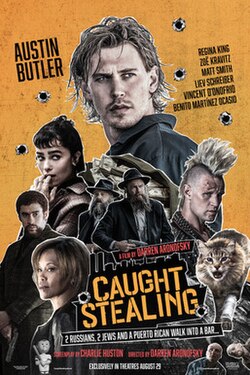
Caught Stealing
People say Darren Aronofsky isn’t funny, largely because his films feel like an express elevator straight to Hell, but I beg to differ. Years ago, when I interviewed him for The Washington Post, we got into a good-natured (no glasses broken) discussion about the commercial prospects of “The Fountain,” a slow sci-fi epic starring Hugh Jackman that Aronofsky described as “a love poem to death.”
I made a joke about how it was a perfect movie for tie-in merchandising, like a cheesy snow globe. A couple weeks later, I got a snow globe in the mail, the microscopic flakes floating around a tiny version of the tree that dominates the movie’s visuals. Funny! Kinda.
Anyway, that’s a very roundabout way of saying that Aronofsky’s latest film, “Caught Stealing,” is a pretty amusing madcap thriller. It stars Austin Butler as a bartender who volunteers to cat-sit for his neighbor and ends up ensnared in a wildly confusing plot involving everyone from the Russians to a corrupt narcotics detective. If things get a little too convoluted at moments, that’s OK, too—as the Cohen Bros would tell you, there’s a lot of comedy in confusion.
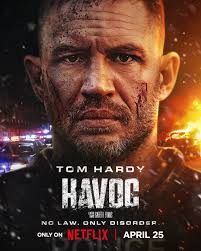
Havoc
“Havoc” traffics in cliches. Tom Hardy plays a corrupt detective who’s estranged from his family, Forest Whitaker plays a mayor on the take, Timothy Olyphant plays a genially murderous cop, and they’re all ensnared in a conspiracy involving stolen cocaine andzzzz…
Oh! Sorry, I dozed off there for a second. The plot and characters aren’t important in this instance; they’re merely vehicles for the writer/director Gareth Evans, to engage in some of the most berserk camera and blood-squib work since Peckinpah went to that great dive bar in the sky. Once the action in “Havoc” gets underway, it’s nonstop, with an energy that American productions often struggle to match.
Evans rose to fame more than a decade ago as the writer/director of Indonesian films such as “The Raid,” where he worked with peerless martial artists like Iko Uwais and Yayan Ruhian. Those fighters made it easy to film a compelling action scene: you just needed to flick on the camera and let them work, spinning and kicking in defiance of gravity. When Evans shifted West, with films like “Havoc” and TV series like “Gangs of London,” he could no longer rely on those actorly kinetics; you’re never going to see Tom Hardy doing a backwards double-flip off a wall before hitting someone with his elbow. While keeping much of his signature style intact, Evans adjusted by making his camerawork even more frenetic, which hits your cerebellum like five espressos in a row.