The Long, Strange Afterlife of Jim Thompson
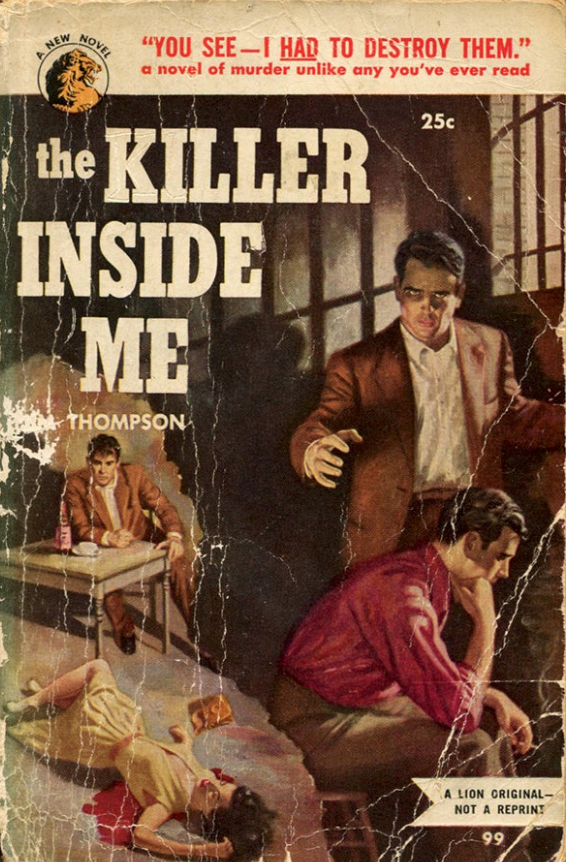
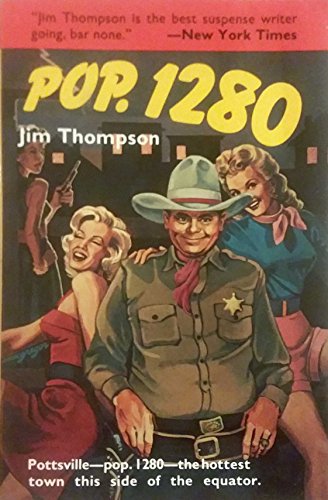
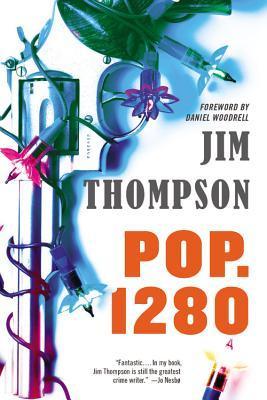
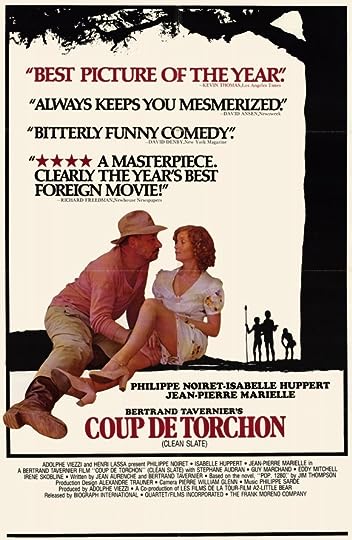
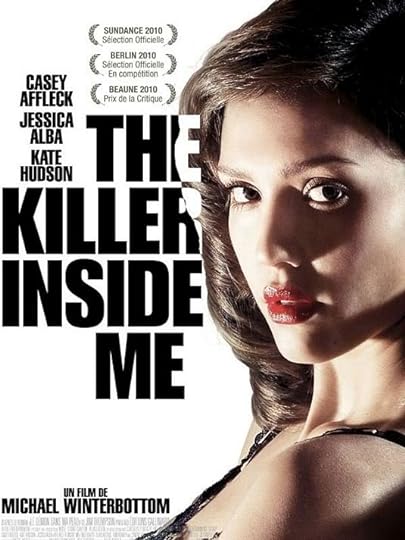
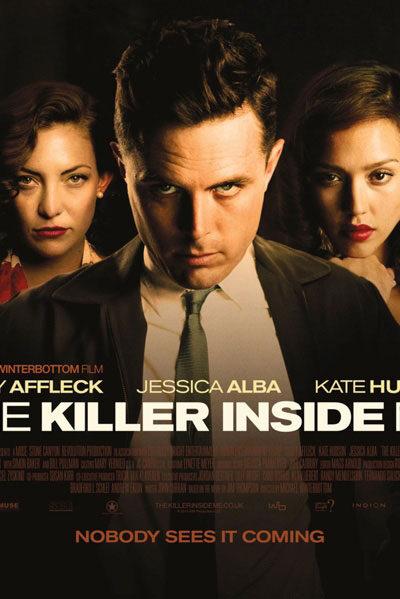
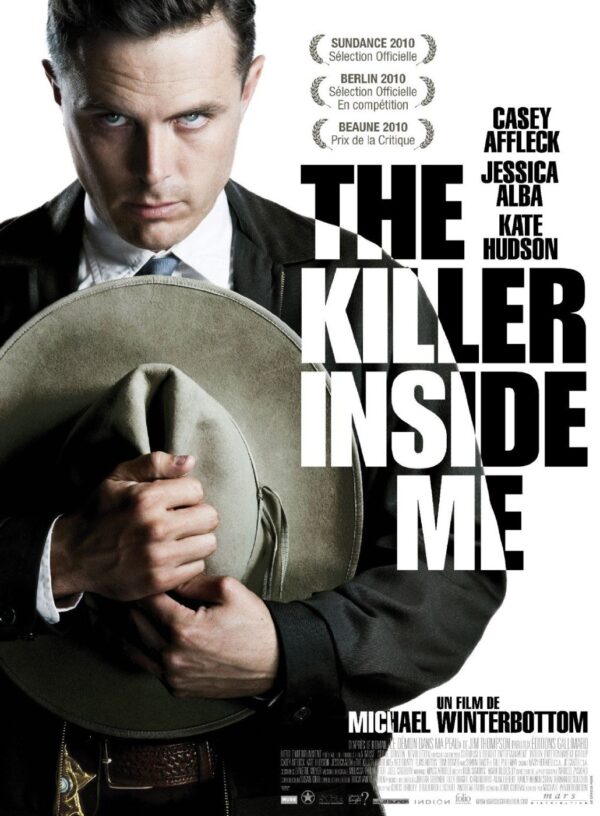
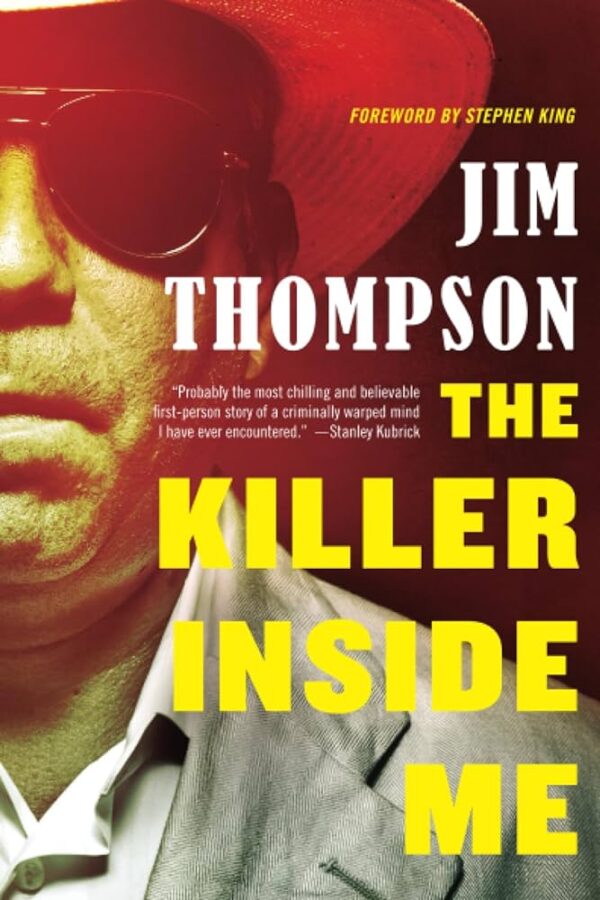
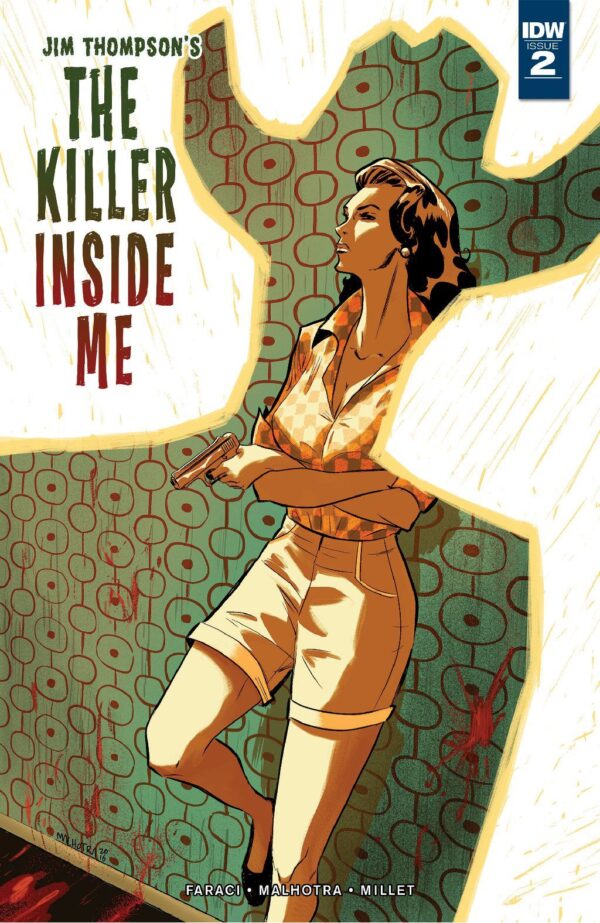
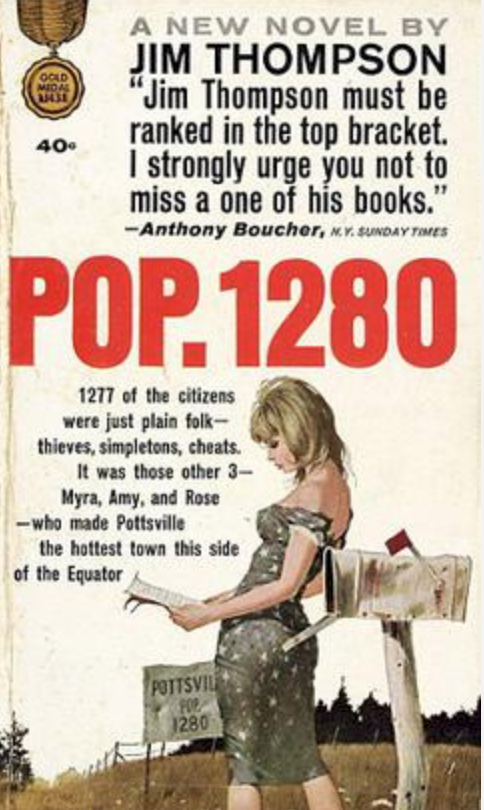
It was Jim Thompson’s 117th birthday last week. I would have missed it, except a handful of noir authors spent the day posting online about their favorites among his thirty novels. “The Killer Inside Me” generally seems to be the work most prized by crime-fiction aficionados, followed closely by “Pop. 1280” and “The Grifters.”
All the reminiscing made me remember when I attended a panel at a recent Bouchercon, North America’s largest crime-fiction conference. A prominent Canadian newspaper critic at the microphone breezily dismissed Thompson as “trash,” which prompted me to walk out of the room. In the hallway outside, I ran into Eryk Pruitt, the crime novelist and documentarian, and explained my consternation.
“Who said that?” Eryk yelled. “We’ll go back in there and kill them!”
(We went to a bar instead.)
Therein lies the duality of Thompson, more than 45 years after his death: mention his name at a gathering of people who know their crime fiction, and it’s a coin toss whether they’ll love or revile him. Certainly he’s not for everyone; his books are populated with psychopaths, conmen, and various bottom-feeders who’ll murder a family for a dollar, and his endings are inevitably unhappy. But the emotion he continues to evoke among readers is astounding, especially when you consider how he seemed doomed to obscurity within a few years of his death.
Thompson grew up rough in Oklahoma and Texas. During Prohibition, he worked as a bellboy in a hotel in Fort Worth, Texas, making extra money by smuggling alcohol and drugs to guests; that life drove him to a mental breakdown before he was out of his teens. He worked in the oil fields and in an airplane factory, writing crime fiction on the side. He supposedly modeled his absolutely deranged characters on people he’d known in real life.
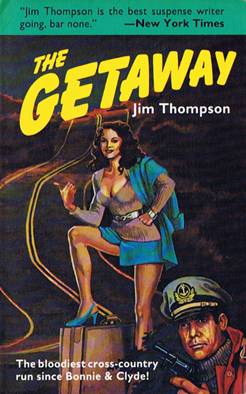
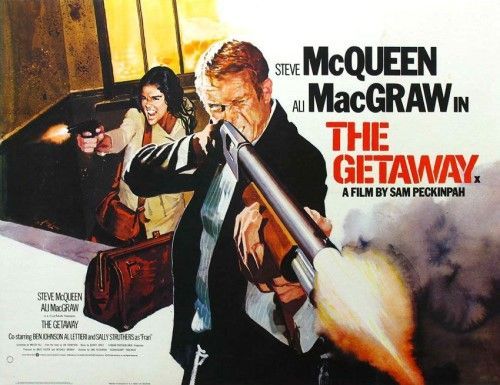
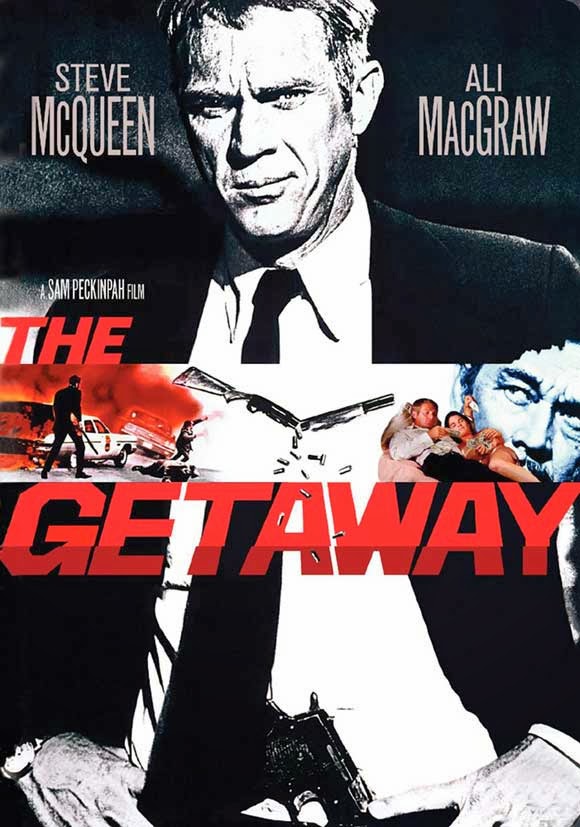
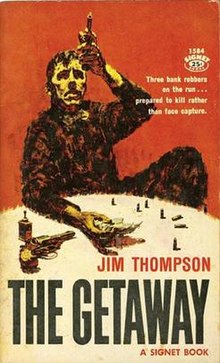
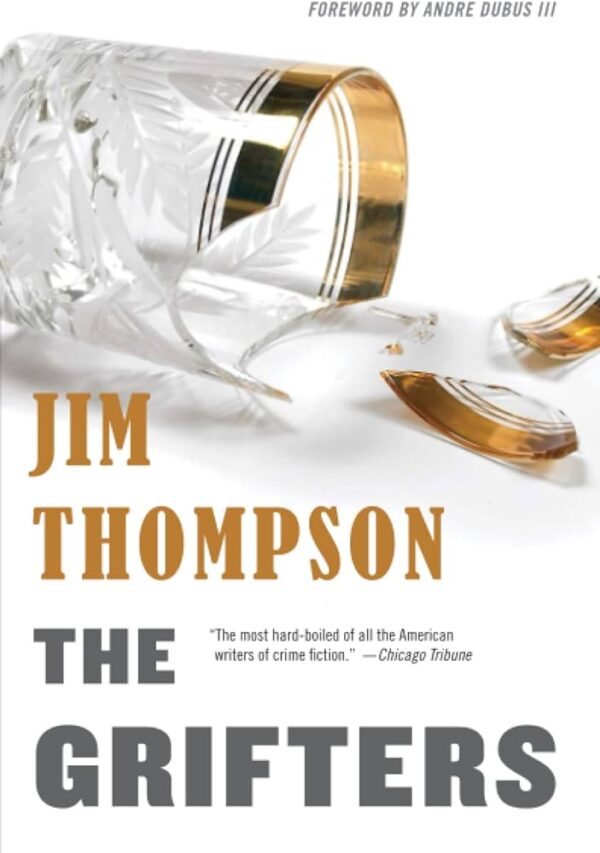
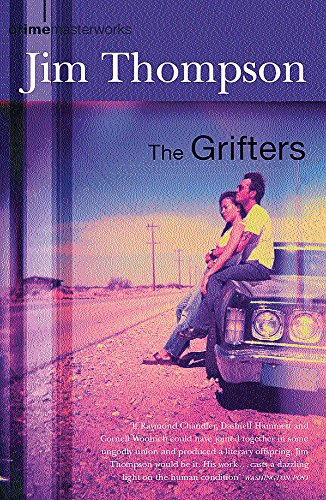
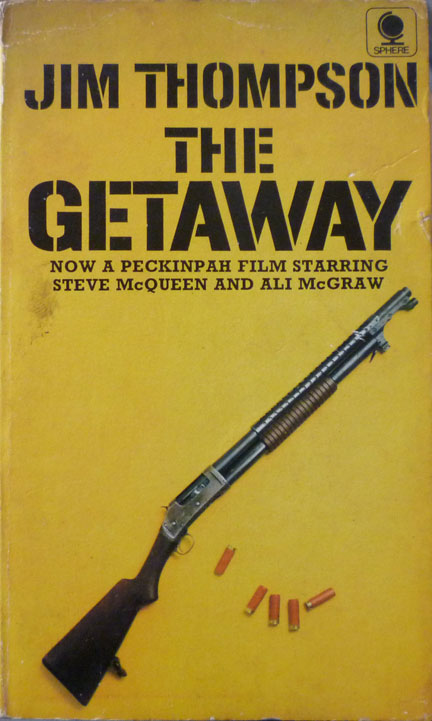
Eventually, Thompson moved to California, where he wrote for television and movies in addition to books—he collaborated with Stanley Kubrick on the scripts for “The Killing” and “Paths of Glory.” A few other screenplay projects fell apart. His novels sold better in Europe, then went out of print in the U.S. His novel “The Getaway” was adapted as a Sam Peckinpah film starring Steve McQueen and Ali McGraw, but it gutted Thompson’s infamously horrific ending in favor of a cheerful Hollywood sendoff (McQueen’s always gotta win).
“Just you wait,” Thompson told his wife before he died in 1977. “I’ll be famous after I’m dead about ten years.”
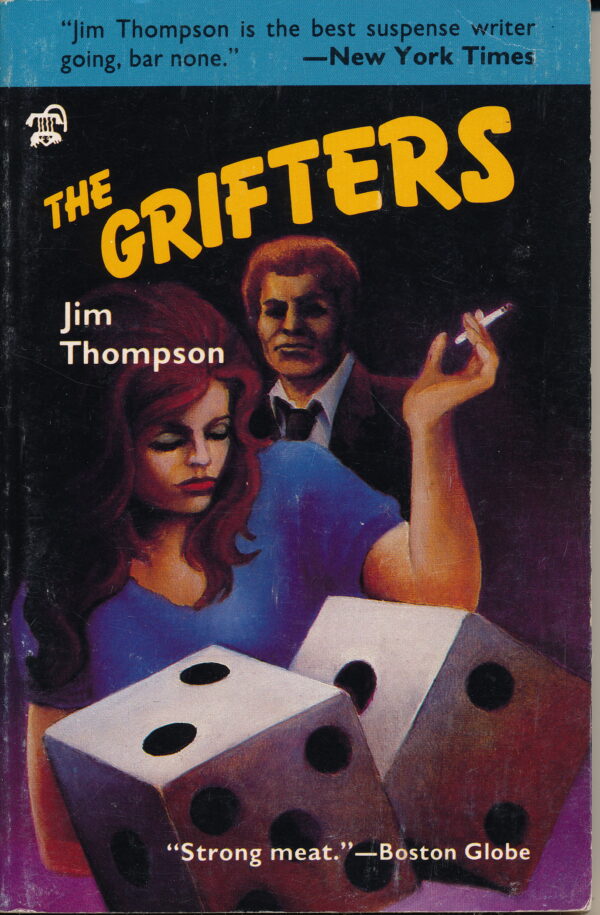
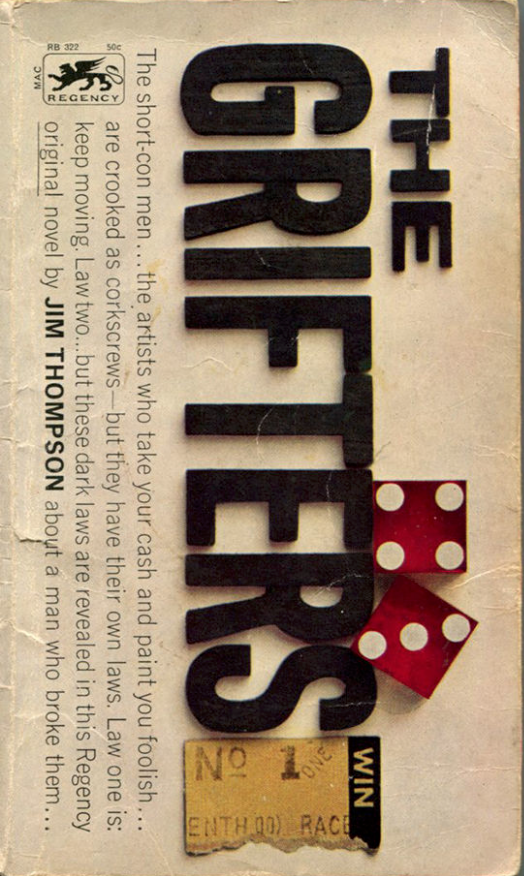
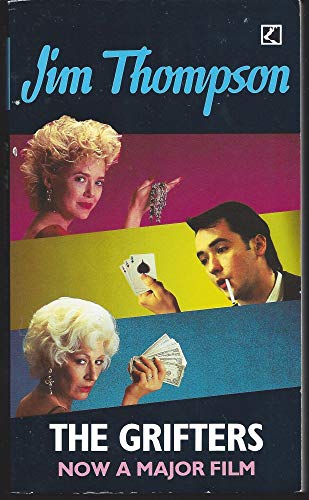
He wasn’t wrong, just off by a few years. “The Grifters,” his novel about a thoroughly warped trio of con artists, was adapted into a Stephen Frears film in 1990 that racked up some awards and did well at the box office. Black Lizard, the prominent noir imprint, republished his books, which is how I discovered them at far too impressionable a young age.
The thing about Thompson—the thing that repels and attracts people in equal measure—is how perfectly he captured the feverish, desperate headspace of someone trembling on the edge of madness. Lou Ford, the sadistic deputy sheriff who narrates “The Killer Inside Me,” manages to keep his true self (cold, calculating psychopath) buried beneath a genial surface (vaguely dumb, cliché-spewing cop), at least until a series of events send his schemes spinning out of control. You never sympathize with Lou (you should never sympathize with the devil), but you have a visceral scene of what it’s like to be him.
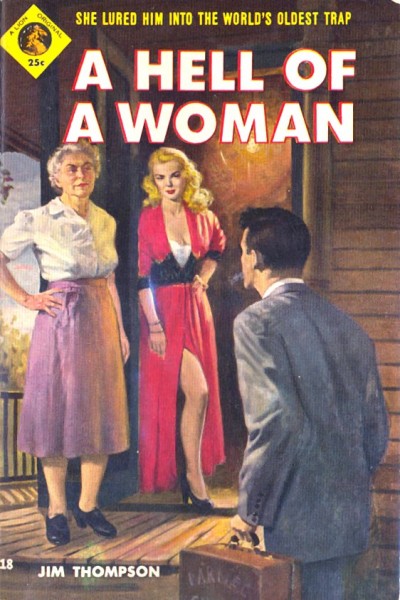
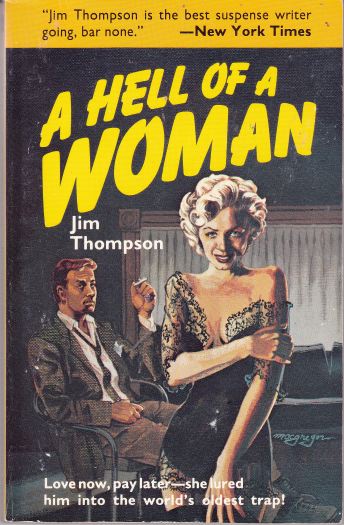
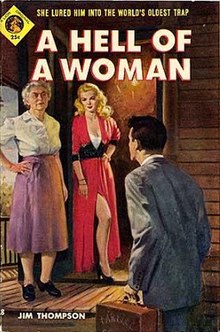
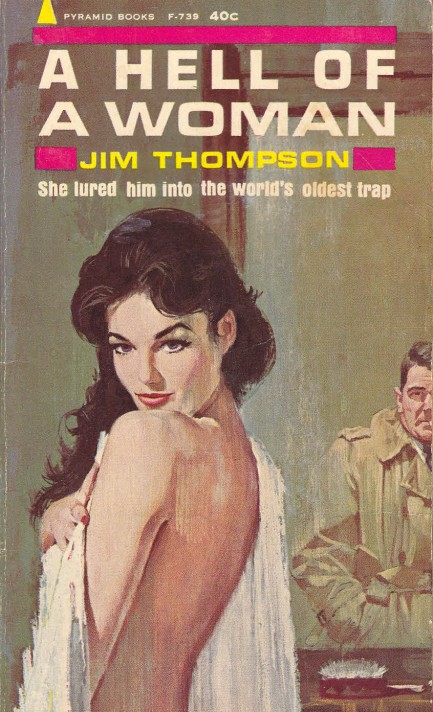
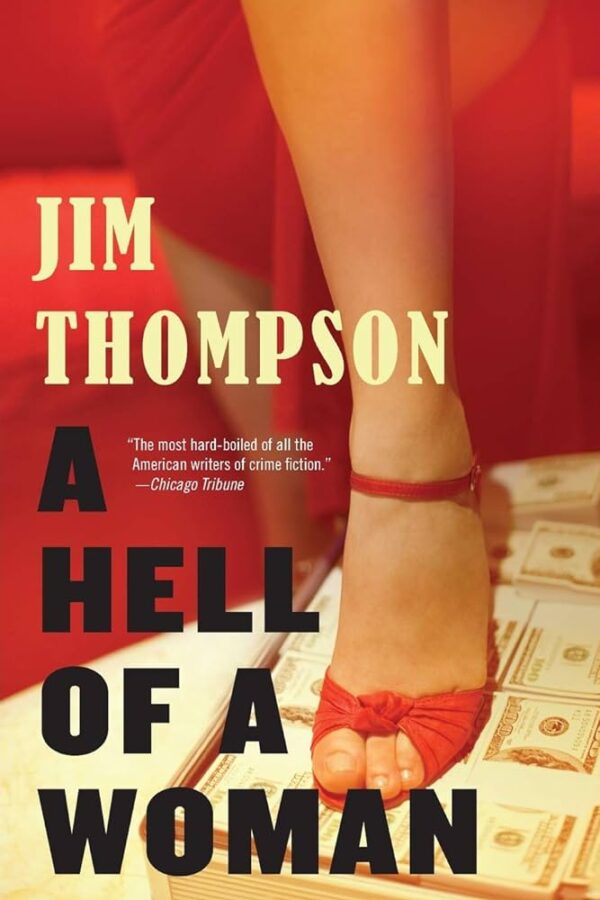
In “A Hell of a Woman,” Thompson took things one step further, with an ending that dissolves into conflicting perspectives represented by alternating lines of text on the page (one personality in italics, the other in regular type). It’s difficult to read, but it’s also unforgettable.
Any number of people have tried to imitate Thompson’s style over the years, but it’s hard because Thompson was clearly pouring the distillate of his weird, hard life onto the page. The imitators often revel in violence for violence’s sake, without really plunging into their protagonists’ inner workings; Thompson, by contrast, is trying to pick his characters’ brains apart. Some readers can’t take it. But it did make Thompson a hardboiled icon.
Nick Kolakowski is the author of „Maxine Unleashes Doomsday“ and „Boise Longpig Hunting Club“ as well as the Love & Bullets trilogy of novellas. His noir fiction has appeared in Tough, ThugLit, Mystery Tribune, Plots With Guns, and various anthologies. His „Payback is Forever“ (Shotgun Honey 2022) is inspired clearly by the novels of Richard Stark. Our review here (in German). – See also his Hell of a Mess. A Love & Bullets Hookup.
Nick Kolakowski, geboren 1980, aufgewachsen in Washington. D.C., hat Geschichte in Chicago studiert. Er schreibt Romane, Kurzgeschichten, Lyrik und Essays, viele davon über Crime Fiction und verwandte Themen. Seine Texte erscheinen u. a. in der Washington Post, in Shotgun Honey, North American Review, The Evergreen Review, Rust & Months. Kolakowski lebt in New York City. Eine Besprechung des von Parker inspirierten „Payback is Forever“ in unseren Bloody Chops.

Bei Suhrkamp auf Deutsch: Love & Bullets.
His essays with us.
His column „Smoking Gun“ with us:
Elmore Leonard – City Primeval
Cormac McCarthy Used Crime Fiction’s Tropes to Make Masterpieces
Parker: Donald Westlake’s One Amazing Trick
Cosby, Winslow, Pruitt: Three Heavy-Hitting Thillers for Summer
Weed-Based Crime Thrillers are Going Up in Smoke
‘The Last of Us’: Crime in the Post-Apocalypse
What Made “Glass Onion” and “Knives Out” So Popular?
Jordan Harper’s One-Two Punch of Crime Fiction Deserves a Wide Audience
‘True Detective’ Season 2: Was It Better Than We All Thought?
From ‘Touch of Evil’ to ‘True Detective,’ Long Shots are Crime Films’ Secret Weapon
Michael Mann, again: What Michael Mann Teaches Us About Enduring Crime Fiction
„Heat 2“ – How Do You Craft a Sequel to a Masterpiece?
4 Ways Tarantino’s “Once Upon a Time in Hollywood” Novel Stands Out From the Film.
On „Heat“: Manhunter Takes Down Thief: How Michael Mann’s Early Career Led to ‘Heat’
The Most Honest Nihilism – on „The Way of the Gun“
No, Time to Die – The latest James Bond movie digs into the fatalism at the iconic spy’s core.
Cormac McCarthy’s Overlooked Masterpiece? – „The Councelor“
„Nightmare Alley“ – How Guillermo del Toro’s Film Alters a Masterpiece Noir Novel
David Cronenberg – The Carnal Crime of “A History of Violence” and “Eastern Promises”
With Parker, Donald E. Westlake Pulled Off Crime Fiction’s Most Spectacular Magic Trick
Guy Ritchie’s Return to Crime Films is Worth Watching