David Lynch and the Beautiful Weirdness
This isn’t something I’ve ever admitted to anyone, but David Lynch’s “Mulholland Drive” is the only time I walked out of a theater before the movie was over.

Granted, there were extenuating circumstances. I hadn’t registered the movie’s runtime before heading in, and I had somewhere else I needed to be. The incongruous row of frat boys behind me kept cheering at odd moments, throwing off my concentration, and besides, I wasn’t in the right headspace at that time in my life to handle a surrealist exploration of the blurred lines between reality and dream.
The reasons don’t matter; I hit the exit doors around fifteen minutes before the final shot—and I’ve felt mildly guilty about it ever since. Considering the sheer tonnage of cinematic crap I’ve sat through, I probably should have stuck through the one film considered an unmitigated masterpiece by every cinephile between here and Mumbai.
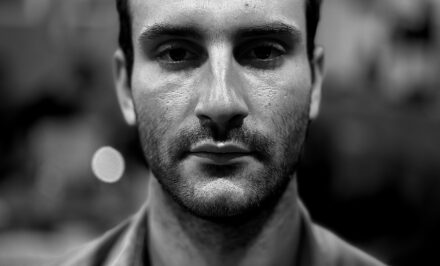
But all of that is my problem, not Lynch’s. All the tributes in the week since his death highlight one thing: he was uncompromising when it came to his vision. He didn’t care how you interpreted his films; he wasn’t going to provide you with any explanations, much less comfort. I’ve mostly loved his other works, particularly “Lost Highway” and “Blue Velvet”; ninety percent of “Wild at Heart” is great, until you get to the fairy godmother ending that always, without fail, makes me want to throw the television through the wall (given how he concluded his Sailor and Lula saga, I suspect Barry Gifford hated the movie’s ending, too).
Lynch’s refusal to compromise or waver is heroic in an era in which virtually every piece of media is hammered by focus groups and producer notes into a gray goo designed to please the maximum number of people while seemingly satisfying precious few. There’s a great story circulating that whenever a nosy executive appeared on his sets, Lynch would proclaim they had a great face, cast them on the spot as an extra, and force them to stand in the background until they left. Maybe his inability to water down his aesthetic cost him opportunities—aside from the “Twin Peaks” revival a few years ago, he hadn’t directed a movie since the spooky and incomprehensible “Inland Empire”—but it left a remarkably cohesive filmography.
(We’re not going to talk about Lynch’s version of “Dune.” He didn’t want to talk about “Dune” ever again. You do have to wonder, though, what his version of “Return of the Jedi” would’ve looked like—George Lucas supposedly wanted a young Lynch to direct a star war.)
Now we have Lynch’s spiritual descendants. I’m thinking in particular of Robert Eggers’ “The Lighthouse,” with its tentacles and distorted sound and sense of all-consuming dread; Richard Kelly, if he ever starts directing again; Charlie Kaufman, whenever they let him out of the basement; and, inevitably, the gazillion NYU and UCLA kids shooting their first odd films on digital. You have to keep the weirdness going.